Vulvar Cancer: Symptoms, Causes, Diagnosis, and Treatment
Comprehensive guide to understanding, detecting, and treating vulvar cancer, including risk factors, symptoms, and care options.
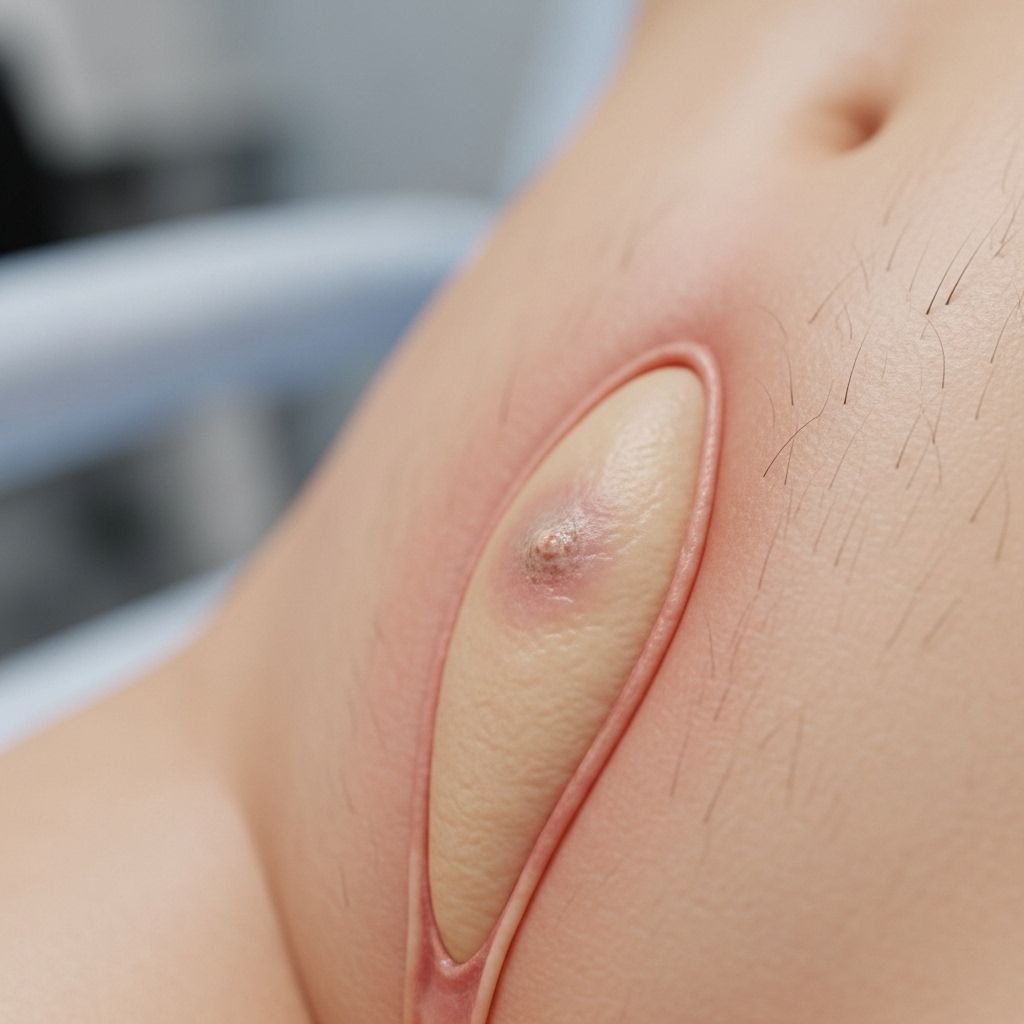
Vulvar cancer is a rare type of gynecologic cancer that develops in the external female genitalia. Though uncommon, recognizing its symptoms, understanding the risk factors, and knowing the available treatment options are crucial for timely intervention and improved outcomes. This article offers a comprehensive overview of vulvar cancer, from its causes and signs to diagnostic procedures, treatment modalities, and frequently asked questions about this important women’s health issue.
What Is Vulvar Cancer?
The vulva is the outer part of the female genitalia, encompassing the labia majora and minora (outer and inner vaginal lips), the clitoris, mons pubis, vaginal opening, and perineum. Vulvar cancer occurs when malignant (cancerous) cells form in any of these tissues, most commonly affecting the labia majora or minora but potentially arising in the clitoris or glands around the vaginal entrance.
Vulvar cancer typically develops gradually over many years. In many cases, abnormal cells are first detected on the vulva’s surface before they become cancerous—a condition called vulvar intraepithelial neoplasia (VIN). Although VIN does not always progress to cancer, early identification and management are critical for reducing risk.
Types of Vulvar Cancer
- Squamous cell carcinoma (SCC): The most common form, accounting for about 90% of cases. SCC begins in the thin, flat cells lining the vulva.
- Adenocarcinoma: Originates from glandular tissue, less frequent.
- Melanoma: A cancer of the pigment-producing cells, relatively rare but aggressive.
- Basal cell carcinoma: Rare and typically less aggressive.
- Sarcoma: Extremely rare, arises from connective tissues.
Causes and Risk Factors
While the precise cause of vulvar cancer is often unknown, several risk factors are associated with increased likelihood:
- Vulvar intraepithelial neoplasia (VIN): Pre-cancerous changes of the vulvar skin may progress to cancer if left untreated.
- Human papillomavirus (HPV) infection: High-risk HPV, especially in women under 50, is a significant factor.
- History of genital warts: Associated with HPV infection.
- Chronic vulvar skin conditions: Conditions like lichen sclerosus and squamous hyperplasia increase risk, particularly in older women.
- Smoking: Impairs immune response, raising susceptibility.
- History of abnormal Pap smears: Indicates previous cervical or vaginal cell changes.
- Previous cancers of the lower genital tract: Such as cervical or vaginal cancer.
- Multiple sexual partners or early sexual activity: Raises risk due to greater likelihood of HPV exposure.
It’s important to note that having a risk factor does not guarantee development of vulvar cancer, and women without risk factors can still develop the disease.
Symptoms of Vulvar Cancer
Symptoms can be subtle and are sometimes mistaken for benign vulvar conditions, making awareness crucial. Some women may not experience symptoms in early stages. Common signs include:
- Persistent itching, burning, or soreness around the vulva, often lasting years.
- Skin changes: Color changes, unusual moles or freckles (pink, red, white, or gray), skin thickening, or lumps.
- Non-healing ulcers or sores on the vulvar skin.
- Bleeding or discharge not related to menstruation.
- Pain or burning sensation during urination.
- Pain during sexual intercourse.
- Unusual odor.
If you notice persistent or worsening changes in the vulva, consult a healthcare provider as early evaluation is essential.
Diagnosing Vulvar Cancer
Early diagnosis improves treatment outcomes. Diagnosis typically involves:
- Medical history and physical exam: Review of symptoms and examination of the vulva.
- Colposcopy: A special magnifying instrument for close inspection of vulvar tissue.
- Biopsy: Removal and microscopic examination of vulvar tissue to look for cancerous cells.
- Imaging tests: MRI, CT, or PET scans may be used to evaluate spread to other organs or lymph nodes.
Stages of Vulvar Cancer
Staging describes the extent and spread of cancer. It guides treatment decisions and helps predict outcomes:
| Stage | Description |
|---|---|
| Stage 0 (VIN / Carcinoma in situ) | Abnormal cells present on vulvar skin surface only, no invasion. |
| Stage I | Cancer is confined to the vulva and/or perineum and has not spread to lymph nodes. Subdivided by size and depth. |
| Stage II | Cancer has extended to nearby structures such as lower urethra, vagina, or anus, but not lymph nodes. |
| Stage III | Cancer has spread to regional lymph nodes. |
| Stage IV | Most advanced; cancer has spread to distant organs or structures beyond adjacent tissues. |
Recurrent vulvar cancer refers to cancer that returns after initial treatment, either in the vulva or another area of the body.
Treatment Options for Vulvar Cancer
The choice of treatment depends on several factors, including cancer stage, location, age, general health, and personal preferences. The primary goals are to remove the cancer, preserve function, and, where possible, maintain appearance.
Surgical Treatments
- Wide local excision: Removal of the cancerous lesion plus some surrounding healthy tissue.
- Radical local excision: Removes the lesion plus a larger margin of tissue. Sometimes lymph nodes from the groin are also removed.
- Vulvectomy: Partial or complete removal of the vulva may be performed in more extensive disease.
- Sentinel lymph node biopsy: Identifies and removes the first lymph node(s) likely to be affected by cancer.
- Lymphadenectomy: Complete removal of groin lymph nodes may be necessary if there is evidence of spread.
Surgery is often curative in early-stage disease. In some situations, reconstructive surgery may be needed to restore appearance and function.
Radiation Therapy
- External beam radiation therapy (EBRT): Delivers high-energy rays to target and destroy cancer cells, often used for locally advanced disease, as an adjuvant (after surgery), or for symptomatic relief in metastatic cases.
- Used in combination with surgery or chemotherapy in certain stages.
Chemotherapy
- Uses anti-cancer drugs, often in conjunction with radiation (chemoradiation) for advanced or recurrent cases.
- Aims to shrink tumors before surgery or to treat metastatic disease.
Other and Emerging Treatments
- Photodynamic therapy (PDT): Approved for VIN, involves light-activated drugs to destroy abnormal cells while preserving normal tissue.
- Targeted therapies and immunotherapy: Under investigation; may offer benefit in select cases.
Living with and Managing Vulvar Cancer
Receiving a cancer diagnosis can be emotionally and physically overwhelming. It’s important to develop a supportive care plan with your healthcare team. This may include:
- Pain management: Your care team can provide effective options for controlling pain or discomfort.
- Wound care and hygiene: Proper self-care and wound management should be followed after surgery.
- Sexual health and intimacy counseling: Resources are available to help address concerns about body image, intimacy, and sexual function.
- Psycho-social support: Support groups, counseling, or talking with a mental health professional can provide emotional support.
- Regular follow-up: Lifelong follow-up is essential for detection of recurrence or late side effects of treatment.
Prevention and Risk Reduction
- HPV vaccination: Vaccination against high-risk HPV types can reduce risk.
- Smoking cessation: Quitting smoking may lower susceptibility.
- Safe sexual practices: Reducing the number of sexual partners and delaying first intercourse may decrease HPV exposure.
- Treatment of pre-cancerous lesions: Timely treatment of VIN and regular health screenings help prevent progression.
Frequently Asked Questions (FAQs)
Q: How rare is vulvar cancer?
A: Vulvar cancer is rare, accounting for about 0.3% of all new cancer cases among women in the United States.
Q: Can vulvar cancer be prevented?
A: While not all cases can be prevented, risk can be significantly reduced by receiving the HPV vaccine, practicing safe sex, avoiding tobacco, and promptly addressing pre-cancerous lesions.
Q: What are the early warning signs of vulvar cancer?
A: Common early signs include persistent itching, burning, skin changes, lumps, non-healing sores, or unusual bleeding and discharge. Some women may not notice any symptoms until the disease is advanced.
Q: Does vulvar cancer affect sexual function?
A: Treatment can impact sexual sensation and function, but advances in surgical techniques focus on preserving as much normal tissue and function as possible. Sexual health counseling can help address related concerns.
Q: Is vulvar intraepithelial neoplasia (VIN) cancer?
A: VIN is not cancer, but a pre-cancerous condition where abnormal cells are confined to the surface of the vulvar skin. Without treatment, VIN can transform into invasive cancer in some cases.
Q: What follow-up care is needed after treatment?
A: Regular check-ups are essential to monitor for recurrence or complications from treatment. Your provider will establish a tailored surveillance plan.
Resources and Support
- Gynecologic oncologist: A specialist in cancers of the reproductive system. Seek expert consultation for diagnosis and care planning.
- Patient support organizations: Many national and local resources offer support, advice, and education for those affected by vulvar cancers.
- Educational materials: Ask your healthcare provider for reliable sources tailored to your needs.
Key Facts
- Vulvar cancer is rare but treatable, especially when diagnosed early.
- Risk factors include VIN, HPV infection, smoking, older age, chronic skin changes, and history of other gynecologic cancers.
- Main symptoms are persistent vulvar itching, lumps, skin changes, sores, or unexplained bleeding/discharge.
- Diagnosis requires biopsy and may include imaging to check for spread.
- Treatment combines surgery, radiation, and sometimes chemotherapy.
- Follow-up is crucial for ongoing health after treatment.
If you notice any unusual symptoms or vulvar changes, seek medical attention promptly. Early intervention remains the most effective way to achieve a positive outcome.
Similar Articles







Read full bio of Sneha Tete