Wiskott-Aldrich Syndrome: Causes, Symptoms, and Treatment
Explore the genetic basis, symptoms, diagnosis, and management of Wiskott-Aldrich syndrome, a rare immunodeficiency disorder.
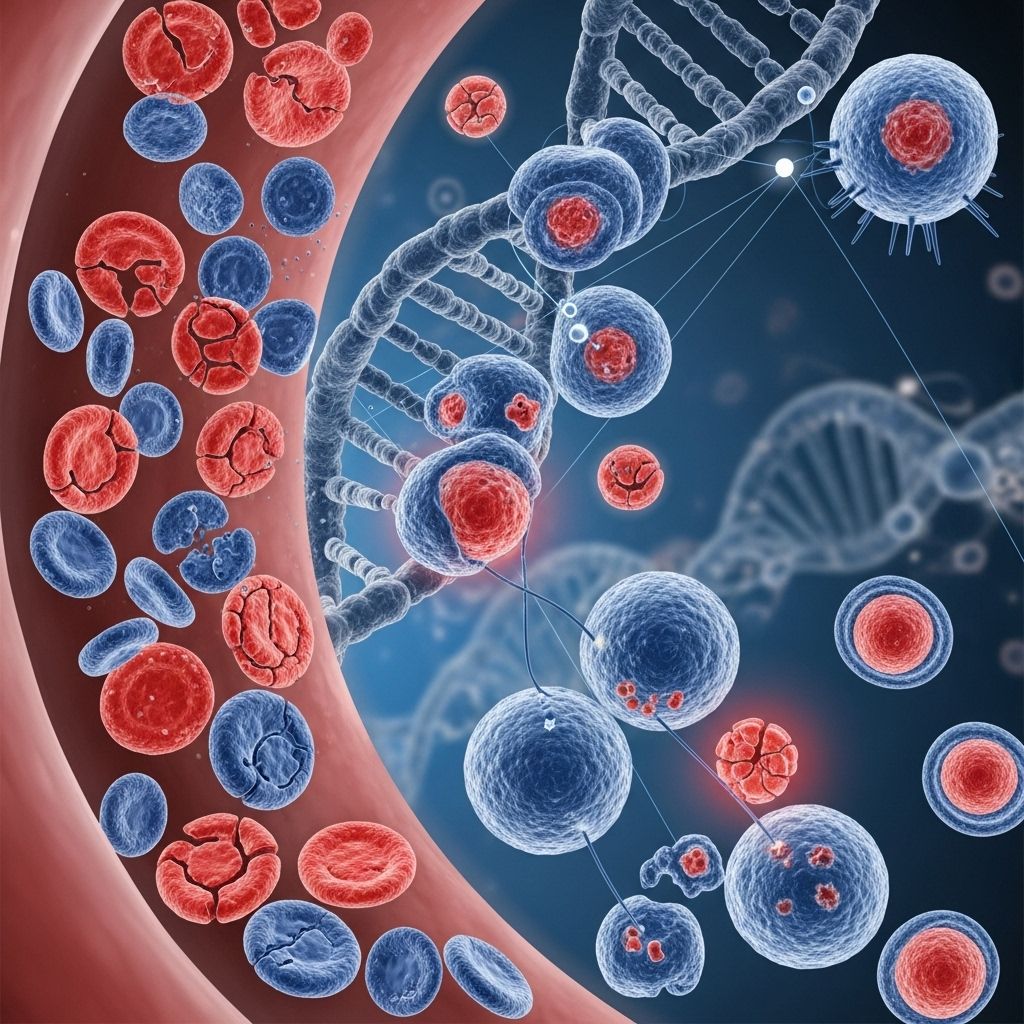
Wiskott-Aldrich Syndrome
Wiskott-Aldrich syndrome (WAS) is a rare, inherited disorder that affects the immune system and blood clotting. Individuals with WAS experience recurrent infections, eczema, and a tendency to bleed easily due to a significant reduction in blood platelets. WAS primarily affects males and is caused by mutations in the WAS gene, disrupting immune cell function and leading to a spectrum of medical issues.
What is Wiskott-Aldrich Syndrome?
Wiskott-Aldrich syndrome is categorized as a primary immunodeficiency disorder with three primary manifestations:
- Immunodeficiency: Increased susceptibility to infections, including bacterial, viral, and fungal.
- Thrombocytopenia: Low platelet count leading to bleeding and bruising issues.
- Eczema: Rashes and skin irritation ranging from mild to severe.
The syndrome was first described in 1937 by Dr. Alfred Wiskott and later clarified by Dr. Robert Aldrich in 1954 as an X-linked recessive disorder.
Genetics and Inheritance
Wiskott-Aldrich syndrome results from mutations in the WAS gene on the X chromosome (Xp11.22–23). This gene encodes the WASp protein, which plays a crucial role in immune cell signaling and cytoskeletal organization.
| Inheritance Pattern | X-linked recessive |
|---|---|
| Affected Individuals | Primarily males (females are usually asymptomatic carriers) |
| Carrier Mothers |
|
| De Novo Cases | 30% occur without family history due to new mutations |
The lack of a functional WASp protein impairs the development and function of T cells, B cells, and platelets, making the body vulnerable to infections and bleeding.
Symptoms and Clinical Features
Symptoms typically appear in infancy, often within the first year of life. Classic features of WAS include:
- Bleeding problems: Easy bruising, bloody diarrhea, frequent nosebleeds, petechiae (tiny red dots), and purpura (large bruised areas).
- Recurrent infections: Ear infections, pneumonia, viral infections (e.g., cytomegalovirus, herpes simplex, Epstein-Barr), fungal infections.
- Eczema: Red, scaly skin rashes similar to atopic dermatitis.
- Severe food allergies: Some children experience significant allergic reactions.
- Autoimmune disorders: Hemolytic anemia, rheumatoid arthritis, inflammatory bowel disease, vasculitis, kidney and liver damage.
- Malignancies: Increased risk of lymphoma and leukemia.
Symptoms may vary depending on the severity of the genetic mutation. Some individuals show only mild signs, such as thrombocytopenia (X-linked thrombocytopenia, XLT), while others experience a more severe disease course.
Epidemiology
- Incidence: Estimated at 1 in 100,000 live births globally; about 4 in 1 million live male births in the U.S.
- Gender: Primarily affects males; rare affected females reported.
- Prevalence: Approximately 500 diagnosed patients in the U.S., with similar rates reported worldwide.
- No ethnic or geographic predominance noted.
- Often underdiagnosed: Milder forms may be mistaken for conditions like idiopathic thrombocytopenia purpura.
Causes: The WAS Gene and Protein
WAS gene mutations disrupt production of the WASp protein, occurring in white blood cells and platelets, as well as their precursor cells in the bone marrow.
- WASp helps organize the cell’s cytoskeleton, essential for cell growth, movement, and signaling.
- More than 300 distinct mutations have been identified, resulting in varied effects on protein function and clinical severity.
- Common types include missense mutations, nonsense mutations, splice site mutations, and short deletions.
Without WASp, immune cells (especially T and B lymphocytes) cannot grow, divide or respond effectively to pathogens, leading to immune dysfunction.
Pathophysiology
- Cellular Effect: WASp defect impairs the immune synapse, preventing effective responses to infections.
- Platelets: Smaller size and reduced number; poor clotting ability leads to bleeding symptoms.
- Immune Deficiency: Increased risk of bacterial, viral, and fungal infections, and certain cancers.
- Autoimmunity: Dysregulated immune response leads to autoimmune diseases affecting blood cells and organs.
Diagnosis
- Clinical Evaluation: Physical examination for bleeding, bruising, eczema, and infection history.
- Laboratory Testing:
- Complete blood count (CBC) showing low platelets and small platelets
- Immunoglobulin levels (usually high IgA and IgE, low IgM)
- Genetic testing for WAS gene mutations
- Immune function tests
- Diagnosis Age: Most cases diagnosed in infancy or early childhood with moderate to severe symptoms; milder cases diagnosed later.
Complications
- Life-threatening infections: Due to inability to clear pathogens.
- Bleeding episodes: Severe, especially after injury or surgery.
- Cancers: Lymphoma and leukemia are more common in WAS patients.
- Autoimmune conditions: Hemolytic anemia, vasculitis, inflammatory bowel disease, and others.
- Organ damage: Especially liver and kidney due to chronic inflammation or autoimmune attack.
Treatment and Management
Therapies for WAS are designed to manage symptoms, prevent infections, and address complications:
- Hematopoietic Stem Cell Transplantation (HSCT):
The only proven cure for WAS is a bone marrow or hematopoietic stem cell transplant. The best outcomes are seen in patients undergoing transplant at a young age and before significant organ damage or infection has occurred.
- Supportive Care:
- Immunoglobulin replacement therapy
- Antibiotic prophylaxis to prevent infections
- Platelet transfusions for severe thrombocytopenia
- Treatment of eczema and allergy symptoms
- Gene Therapy:
Research continues to explore gene therapy as a future treatment, aiming to correct the genetic defect by introducing a functional copy of WAS gene into patient cells.
- Management of Autoimmunity:
- Immunosuppressive drugs for autoimmune complications
- Treatment of inflammatory bowel disease, hemolytic anemia, and vasculitis
Prognosis
- Classic WAS: Without treatment, patients often succumb to infection or bleeding in early life.
- Mild Forms/XLT: Some individuals experience only reduced platelets, with fewer complications and longer life expectancy.
- With HSCT: Survival and quality of life improve substantially.
Living with Wiskott-Aldrich Syndrome
Early diagnosis, regular follow-up, and comprehensive care are essential for improved health outcomes. Families may benefit from genetic counseling and support from specialized immunodeficiency centers.
- Assess infection risk and provide timely treatment
- Monitor for signs of bleeding, bruising, or rash
- Evaluate organ function regularly
- Engage in long-term management for autoimmunity and allergy
Resources for Patients and Families
- Primary Immune Deficiency organizations
- Genetic counseling services
- Patient support groups and advocacy foundations
Frequently Asked Questions (FAQs)
Q: What is the triad of symptoms in Wiskott-Aldrich syndrome?
A: The classic triad includes immunodeficiency (infections), thrombocytopenia (bleeding tendency), and eczema (skin rash).
Q: How is Wiskott-Aldrich syndrome inherited?
A: WAS follows an X-linked recessive inheritance pattern, affecting males whose X chromosome carries a mutated WAS gene. Carrier females can pass the gene to children, but usually do not have symptoms.
Q: Can females have Wiskott-Aldrich syndrome?
A: Females are typically asymptomatic carriers, but rarely, affected females can manifest the disease if both X chromosomes carry mutations or due to unusual genetic events.
Q: What is the main treatment for WAS?
A: Stem cell transplantation is the only cure. Supportive treatments include antibiotics, immunoglobulin, and therapies to prevent or treat bleeding and autoimmunity.
Q: What is the life expectancy for patients with WAS?
A: Without stem cell transplantation, life expectancy is greatly reduced due to infections and bleeding. With successful transplantation, most patients achieve long-term survival and improved quality of life.
Q: How does Wiskott-Aldrich syndrome differ from X-linked thrombocytopenia (XLT)?
A: XLT is a milder variant caused by mutations in the same WAS gene but typically only causes low platelet count without severe immunodeficiency or eczema.
Q: Is genetic testing required for diagnosis?
A: Yes, genetic testing for WAS gene mutations is the definitive diagnostic method and also important for family counseling.
Q: Are there ongoing research or new treatments for WAS?
A: Gene therapy trials are ongoing, with promising early results. Research continues to improve transplantation outcomes and investigate ways to treat autoimmunity and other complications.
Similar Articles






Read full bio of medha deb