Anal Gland Disorders in Cats: Causes, Symptoms, Diagnosis, and Treatment
Understand the causes, symptoms, risks, and effective treatments for anal gland problems in cats, including prevention and long-term management tips.
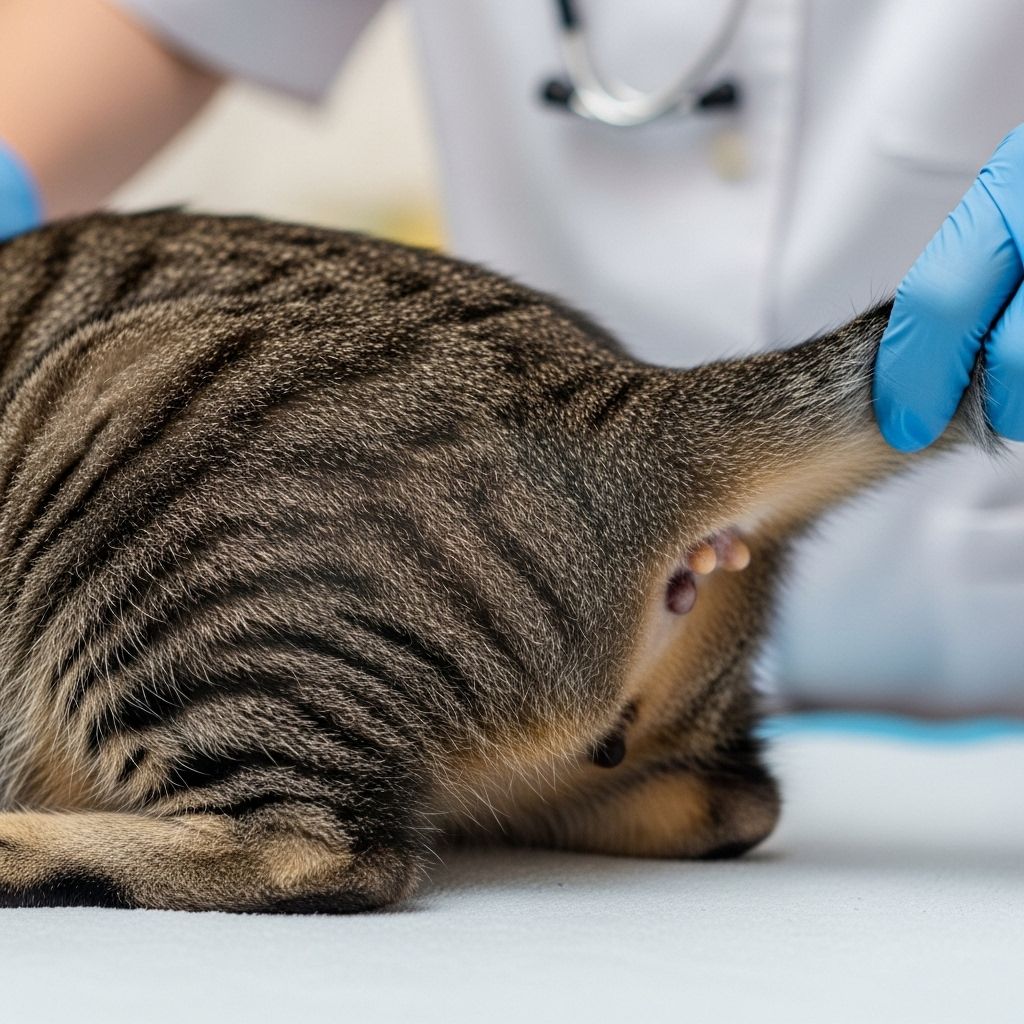
Cats have two small anal glands, also called anal sacs, found on each side of the anus. These glands produce a smelly, oily secretion that is normally emptied during defecation. Although anal gland issues are more frequently discussed in dogs, cats can also suffer from a range of anal gland disorders, most notably impaction, infection, abscess, and—in rare cases—tumors. Understanding these conditions helps ensure prompt care, treatment, and comfort for your cat.
What Are Anal Glands?
The anal glands (or anal sacs) are small, oval-shaped pouches situated at approximately the 4 o’clock and 8 o’clock positions around the cat’s anus. These glands hold a foul-smelling secretion that is typically released onto the cat’s feces as it passes through the anus. The scent may serve several purposes, from communication to marking territory and identifying individuals among cats.
- Each cat has two anal sacs, one on each side of the anus.
- Secretions are usually passed naturally during bowel movements.
- Healthy glands are not noticeable nor do they produce an odor under normal circumstances.
Types of Anal Gland Disorders in Cats
Anal gland disorders generally fall into the following categories:
- Impaction – The glands become plugged with thick, dry secretions and cannot empty naturally, leading to swelling and discomfort.
- Infection (Anal Sacculitis) – Bacterial infection occurs when impacted glands become inflamed and colonized by bacteria, causing further pain and sometimes pus formation.
- Abscess – A pocket of pus forms when infection is left untreated. Abscesses may rupture, leading to open wounds beside the anus.
- Tumors – Rarely, anal gland tumors develop, usually presenting as a mass in the region and sometimes causing local swelling or discomfort.
Causes of Anal Gland Disorders
The exact reasons why cats develop anal gland disease are not always clear. However, several contributing factors are recognized:
- Diet: Low-fiber diets or chronic loose stools may prevent proper gland emptying.
- Obesity: Overweight cats are more prone to anal gland issues due to poor gland drainage.
- Anatomy: Abnormal gland shape or positioning might contribute to inadequate emptying.
- Sphincter Dysfunction: Problems with the muscle responsible for expressing the glands can result in retention of secretions.
- Underlying Medical Issues: Ongoing digestive problems, such as chronic diarrhea or constipation, often trigger or worsen the condition.
Symptoms of Anal Gland Disease in Cats
Cats are naturally reserved about showing discomfort, so early symptoms can be subtle. Owners should watch for:
- Scooting – Dragging the hindquarters along the floor to relieve irritation.
- Excessive Licking or Biting – Focused on the anal area or base of the tail.
- Pain while Defecating – Crying, straining, or hesitating to use the litter box.
- Swelling Near the Anus – Swollen areas, lumps, or redness beside the anus.
- Discharge – Bloody, pus-like, or sticky material draining near the rectum, especially if an abscess ruptures.
- Behavioral Changes – Reluctance to sit, restlessness, changes in litter box habits, or even aggression if the area is touched.
- Hair Loss – Around the tail base or belly, sometimes due to overgrooming.
Risk Factors for Anal Gland Issues
Certain factors may increase the likelihood of developing anal gland disorders:
- Obesity leading to poor gland drainage.
- History of chronic digestive disorders, such as diarrhea.
- Anatomic or positional abnormalities of the anal sacs.
- Older age or previous history of anal gland disease.
- Presence of underlying medical issues impacting stool consistency or bowel health.
Diagnosis of Anal Gland Disorders
Diagnosis typically involves a physical and visual exam performed by a veterinarian. The process may include:
- Palpation and expression of the anal glands to assess for impaction or abnormal secretions.
- Bacterial culture if infection is suspected.
- Biopsy or imaging in rare cases where tumors are suspected.
- Review of medical and dietary history to identify predisposing factors.
Diagnostic Steps Explained
| Test or Exam | Purpose | What It Detects |
|---|---|---|
| Physical exam and gland expression | Direct assessment of glands | Impaction, abscess, infection, presence of mass |
| Cytology and culture | Laboratory examination of discharge | Bacterial infection, abnormal cells |
| Biopsy | Advanced diagnostics | Tumors or neoplasia |
Treatment for Anal Gland Disorders in Cats
Prompt veterinary attention is essential for all but the mildest cases, as untreated diseases often progress to abscess or systemic infection.
Common Treatments
- Manual Expression – Most impacted glands are emptied by manual squeezing and gentle pressure.
- Flushing – Flushing the sacs with a sterile solution to clear lingering material or pus, sometimes followed by antibiotics or steroids instilled directly into the gland.
- Antibiotics – Prescribed for bacterial infection or after abscesses have ruptured; may be oral or topical.
- Pain Relief – Anti-inflammatory medication and pain relief to keep the cat comfortable during recovery.
- Warm Compresses – May help reduce pain and promote healing, especially following an abscess or infection.
- E-collar (cone) – To prevent over-grooming or additional trauma to the area during healing.
Surgical Options
- Abscess Drainage – If an abscess is present and has not ruptured, the area may be incised to drain accumulated pus.
- Complete Surgical Removal (Anal Sacculectomy) – Reserved for severe or recurrent cases where conservative treatments fail, or if a tumor is present. Removal typically resolves the issue but risks complications such as fecal incontinence.
Stepwise Approach to Treatment
- Manual expression and flushing of the anal glands
- Topical and/or systemic antibiotics for infection
- Pain relief and anti-inflammatory support
- Surgical drainage of abscesses when needed
- Surgical removal of anal glands for unresponsive or chronic cases
Prognosis and Recovery
The majority of cats respond rapidly to early intervention. Symptoms such as scooting, licking, or pain usually improve within a couple of days of effective treatment. However, recurrence is possible, especially if underlying causes are not addressed. Surgical removal of the glands has an excellent long-term prognosis, though risks of complications like fecal incontinence should be discussed with your veterinarian.
Managing and Preventing Recurrent Anal Gland Disease
While some cats may experience only a single incident, others are prone to recurrence. Preventive measures include:
- Maintain a healthy weight to reduce recurrence in overweight cats.
- Feeding a diet high in fiber to encourage bulky, firm stools.
- Treating underlying digestive diseases such as chronic diarrhea promptly.
- Regular veterinary checkups for high-risk or previously affected cats, including scheduled anal gland expression every 3–4 months in persistent cases.
Potential Complications of Untreated Anal Gland Disorders
- Abscess formation leading to draining tracts and open wounds.
- Chronic pain and discomfort affecting quality of life.
- Systemic infection and fever if bacteria spread.
- Fecal incontinence if nerves or sphincter muscles are damaged (typically a rare surgical complication).
- Tumor growth, in rare cases.
Frequently Asked Questions (FAQs)
Q: How common are anal gland problems in cats?
A: Anal gland disease is less common in cats than in dogs but still possible, especially in overweight or senior cats or those with chronic digestive issues.
Q: Are certain breeds more prone to anal gland problems?
A: There is no strong breed predisposition in cats. Any cat, especially those with predisposing factors (obesity, diarrhea), can be affected.
Q: Can I express my cat’s anal glands at home?
A: Manual expression at home is not recommended unless trained by a veterinarian—it can hurt your cat, worsen infections, or cause trauma. Always consult your vet first.
Q: What signs indicate an emergency or require urgent veterinary care?
A: Bleeding, pus-like discharge, severe swelling, signs of pain, or sudden behavior changes require rapid veterinary attention.
Q: Will my cat need surgery?
A: Surgery is uncommon and reserved for cats with repeated, severe, or unresponsive cases, or where tumors are identified.
Key Takeaways for Cat Owners
- Recognize early symptoms such as scooting, swelling, or increased licking around the tail area.
- Regular veterinary care and prompt treatment typically result in rapid relief and recovery.
- Surgical removal is rare and only needed in persistent, severe, or complicated cases.
- A focus on diet, healthy weight, and good digestive health reduces your cat’s risk.
When to Consult a Veterinarian
Always consult your veterinarian if you notice symptoms or behavioral changes suggesting anal gland issues. Timely intervention minimizes discomfort for your cat and prevents escalation to more severe illness. If your cat is recovering from a recent anal sac problem, follow your vet’s aftercare instructions closely and schedule regular checkups as directed.
Similar Articles






Read full bio of medha deb