Anal Gland Expression in Cats: Signs, Causes, and Care
Understanding anal gland issues in cats: signs, causes, treatments, and preventive care for a healthier feline life.
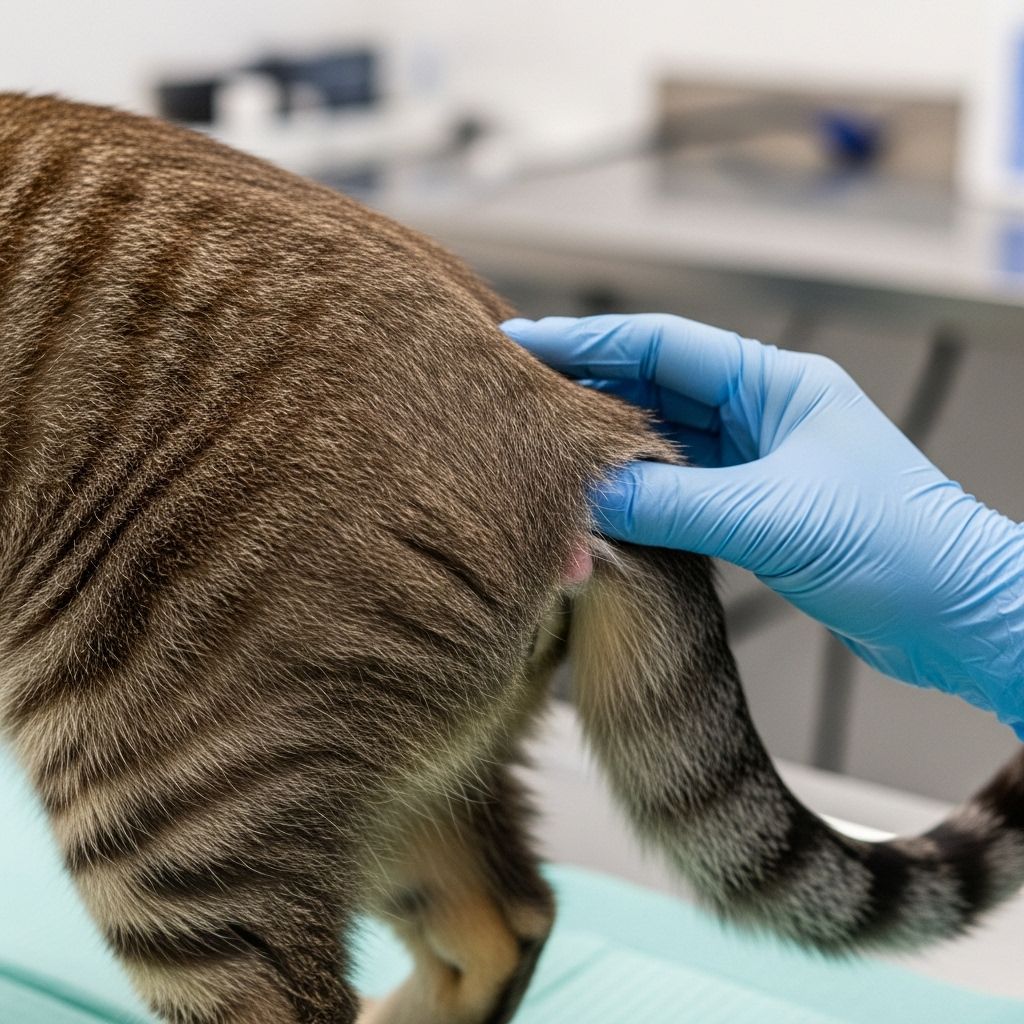
Anal Gland Expression in Cats: Essential Guide for Owners
Cats are known for their discreetness, often hiding discomfort or pain until symptoms become serious. One common yet often overlooked issue is anal gland problems. This guide explains the basics of feline anal glands, how to recognize signs of trouble, treatment options, how and when anal gland expression is performed, and crucial tips on prevention and home care for cat owners.
What Are Anal Glands in Cats?
Anal glands—also referred to as anal sacs—are two small glands situated just inside your cat’s anus, at roughly the 4 o’clock and 8 o’clock positions. These glands produce a dark, oily, foul-smelling fluid each time a cat defecates. The scent serves several purposes in the wild, including territory marking and communication with other cats.
While anal gland problems are more commonly discussed in dogs, cats can also experience issues like impaction, infection, abscesses, and even tumors.
- Anal glands are a part of normal feline anatomy, used for scent marking.
- Cats with healthy glands expel fluid naturally during bowel movements.
- Problems arise when the glands become blocked or infected.
Why Do Cats Have Anal Glands?
The primary function of anal glands in cats is scent marking. The secretions contain unique chemicals and pheromones that convey information about identity and reproductive status. Most healthy cats never experience any issues with their anal sacs, and the glands go unnoticed throughout the cat’s life.
The scent marking function is a key part of feline communication, helping cats establish territory and interact with others. Although researchers are still unraveling all the nuances of feline communication, the importance of scent—and therefore these glands—remains clear.
Do All Cats Need Their Anal Glands Expressed?
Expression, or manual emptying, of the anal glands is only necessary if the cats are symptomatic. In healthy cats, the glands express on their own during bowel movements and manual intervention is not required.
Manual expression should only be performed at the direction of a veterinarian and is not recommended as a routine practice, except for cats that have chronic or recurring issues. Expressing the glands unnecessarily can cause pain and sometimes make a problem worse.
- Manual expression is generally only recommended if your cat has signs of discomfort or blocked glands.
- Routine emptying may be needed in cats with chronic problems, under veterinary guidance.
Signs and Symptoms of Anal Gland Issues in Cats
Cats tend to hide discomfort, making it essential for owners to pay close attention to subtle behavioral changes. Symptoms of anal gland disease may include:
- Scooting—dragging the hind end on the ground.
- Excessive licking or biting around the anus or base of the tail.
- Reluctance to defecate due to pain.
- Swelling, redness, or open sores around the anus.
- Blood or discharge under the tail or in the stool.
- Foul, fishy odor on furniture, bedding, or your cat’s rear.
- Obvious discomfort when sitting or reluctance to sit.
- Overgrooming or bald patches near the tail.
- Vocalization during defecation.
If you notice any of these signs, especially if they persist or worsen, consult your veterinarian promptly.
Common Anal Gland Disorders in Cats
| Disorder | Description | Symptoms |
|---|---|---|
| Impaction | Thickening of gland material or blockage preventing normal fluid release. | Scooting, swelling, discomfort, foul odor. |
| Infection | Bacterial infection causes pain, swelling, potential abscess formation. | Redness, heat, pain, discharge, possibly blood. |
| Abscess | Build-up of infection causes pus-filled swelling, may rupture. | Swelling, bloody or sticky discharge, open wound. |
| Tumors | Rarely, cancerous growths can affect the glands. | Masses near the anus, persistent symptoms, poor response to treatment. |
Causes and Risk Factors
Anal gland problems are commonly secondary to:
- Diarrhea or soft stools, which may not provide enough pressure to naturally express the glands.
- Obesity, making it difficult for proper expression during bowel movements.
- Chronic dehydration, leading to thicker secretions.
- Inflammatory bowel disease or other digestive issues.
- Genetic predisposition or anatomical variation.
Management of underlying conditions is essential for long-term control. Cats that have experienced anal gland issues are likely to develop them again unless the root cause is addressed.
Examining a Cat With Suspected Anal Gland Issues
If you suspect your cat has an anal gland issue, a veterinary visit is crucial. The vet will:
- Perform a physical and rectal examination.
- Assess for tenderness, swelling, discharge, and odor.
- Take a medical history and inquire about bowel movements, diet, and overall demeanor.
- In severe cases, recommend diagnostic tests, such as cytology or imaging (for suspected tumors).
Never attempt to squeeze your cat’s anal glands at home unless specifically shown how by your vet. Improper technique can injure your cat or worsen the issue.
How Is Anal Gland Expression Done?
Manual expression is generally performed by a veterinary professional, especially for cats, due to their small gland size and potential for pain or stress during the procedure. The process involves:
- Careful restraint of the cat.
- Gentle pressure applied adjacent to the anus to release the contents.
- If material is hard or dry, rinsing or infusion may be used to soften and flush out the glands.
- Sedation may be necessary for cats in discomfort or those unwilling to tolerate the process.
- Many clinics will follow with pain relief or anti-inflammatory medications as needed.
Expression is performed only when warranted by clinical signs; unnecessary expression is discouraged.
Treatment Options for Anal Gland Disorders
Treatments depend on the underlying disorder and severity:
- Manual expression for impaction or minor blockages.
- Flushing and infusion of anti-inflammatory or antibiotic solution for infections.
- Oral antibiotics and pain relief for abscesses and infections.
- Surgical lancing for unruptured abscesses.
- Cleaning and wound care for ruptured abscesses.
- Surgical removal (anal sacculectomy) for chronic or severe cases, though this can risk fecal incontinence.
- Treatment of underlying causes such as managing obesity, dietary changes for bowel regulation, and addressing other health issues.
Home Care and Prevention Tips
While most anal gland problems require veterinary attention, there are steps cat owners can take to reduce the risk:
- Feed a balanced, fiber-rich diet to promote healthy, well-formed stools.
- Monitor your cat’s litter box habits and stool consistency.
- Encourage healthy body weight through appropriate nutrition and exercise.
- Schedule regular veterinary checkups, especially for cats with prior anal gland issues.
- Do not attempt anal gland expression yourself unless your veterinarian approves and shows proper technique.
- Be alert to signs of discomfort, excessive grooming, or changes in defecation habits.
Addressing underlying medical issues, such as chronic diarrhea or inflammatory bowel disease, is critical for long-term management of anal gland health.
Risks of DIY Anal Gland Expression
Attempting to express your cat’s anal glands without proper training is risky. Cats are often very sensitive in this area, and improper handling can result in:
- Injury or pain to your cat
- Incomplete expression, leaving impacted material
- Infection or abscess formation
- Bite or scratch injuries to the handler
Always consult a veterinarian before considering home expression and never proceed without professional supervision.
Frequently Asked Questions (FAQs)
What do healthy cat anal glands look like?
Healthy glands are rarely visible and should not be swollen or produce a strong odor. Natural expression occurs during normal bowel movements.
How often do cats need their anal glands expressed?
Most cats never need manual expression. Cats with recurring issues may require routine veterinary expression, usually dictated by symptoms.
What happens if an anal gland abscess ruptures?
A ruptured abscess causes an open, often bloody wound near the anus which requires prompt cleaning, antibiotics, and pain management. Your veterinarian may recommend a cone collar to prevent licking while it heals.
Can diet help prevent anal gland problems?
Yes, a balanced diet with adequate fiber helps ensure well-formed stools, which naturally express the glands and reduce the risk of impaction.
Is anal gland removal safe?
For severe, recurrent, or cancerous gland problems, surgical removal may be necessary. However, the procedure can result in complications like fecal incontinence. It is reserved as a last resort.
Do certain breeds or cats have a higher risk?
No specific breed predisposition is documented, but cats with chronic digestive issues, obesity, or those who have had a previous anal gland problem are at higher risk for recurrence.
Should I be worried if my cat has a foul odor but no other symptoms?
While the scent is common during normal gland expression, persistent odor with other symptoms such as scooting or licking warrants veterinary attention.
Conclusion
Anal gland issues in cats range from mild discomfort to serious infections requiring veterinary care. Recognize early warning signs, maintain a healthy diet, and consult your veterinarian for guidance on management, treatment, and prevention. Routine at-home expression is not recommended—leave gland checks and expressions to veterinary professionals, especially for cats. Your awareness and proactive care are key to keeping your cat comfortable, healthy, and happy.
Similar Articles




Read full bio of Sneha Tete