The Calmest Cat Breeds: Gentle Felines for a Tranquil Home
Discover the most placid, low-drama cat breeds perfect for families, apartment living, and stress-free companionship.
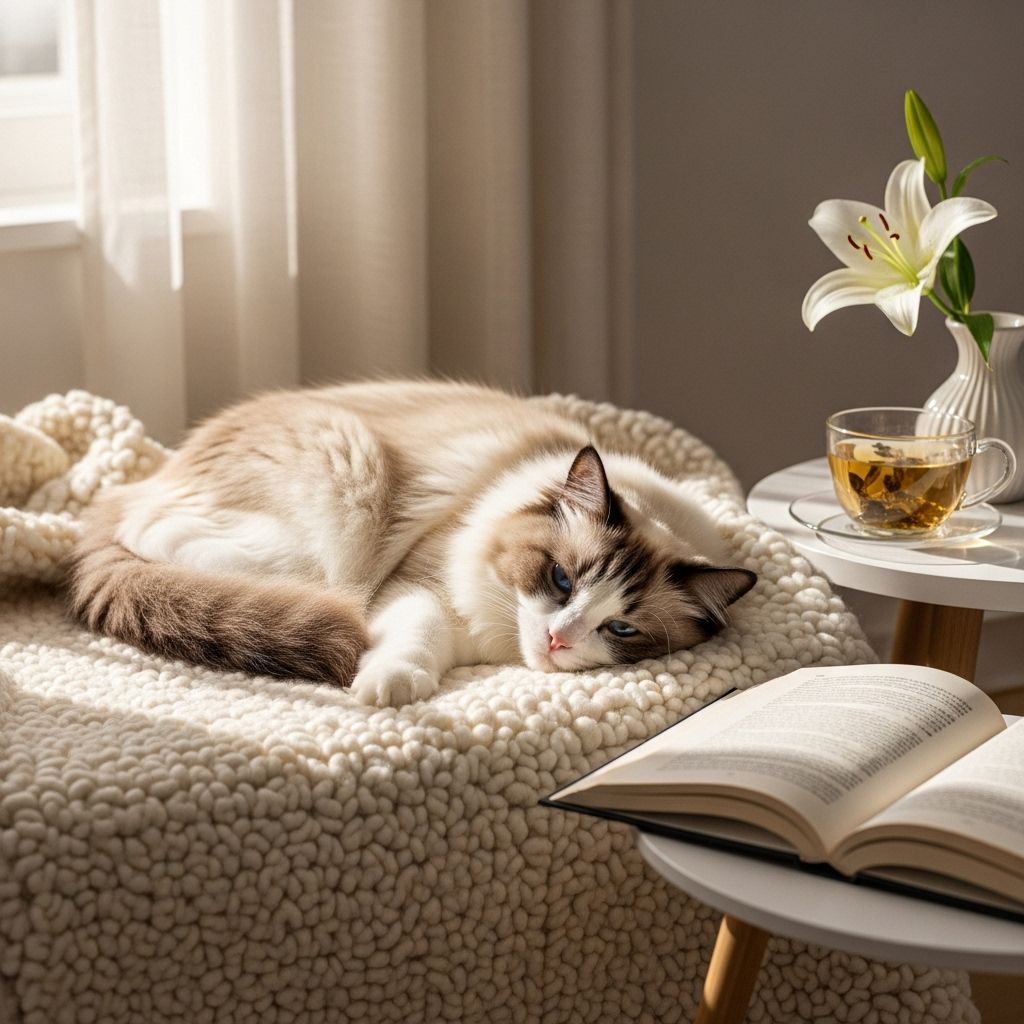
The Calmest Cat Breeds: Felines for a Peaceful Life
While all cats have unique personalities, some breeds are celebrated for their remarkably calm, gentle, and composed nature. Whether you crave a devoted lap companion or a tolerant feline fit for family life, choosing a calm cat breed can ensure a more serene, less stressful home environment. This guide explores the characteristics, care needs, and suitability of the world’s most tranquil cat breeds.
Why Choose a Calm Cat Breed?
Calm cat breeds are especially sought-after by:
- Families with young children looking for patient, tolerant pets.
- Apartment dwellers who need relaxed companions comfortable in small spaces.
- First-time cat owners seeking low-drama, easy-to-care-for animals.
- Busy individuals or seniors who prefer affectionate but undemanding company.
These breeds typically enjoy cuddling, are less likely to engage in hyperactive play or destructive behaviors, and adapt well to changes in their environment.
Top 10 Calmest Cat Breeds
The following breeds are renowned for their mellow temperaments, ease of care, and harmonious presence in the household.
1. Ragdoll
Ragdolls are famous for their docile, laid-back attitude. Named for their tendency to go limp when picked up, these gentle giants are affectionate and thrive on close contact with their humans. They are:
- Tolerant and gentle, even with children and other pets.
- Affectionate but not overly demanding.
- Happy to follow people from room to room, often cuddling or sleeping in laps.
- Adaptable to indoor living.
Note: Their semi-long plush coat needs regular grooming to prevent mats.
2. British Shorthair
The British Shorthair is a classic calm breed, prized for its quiet confidence and teddy bear-like appearance. Noted features include:
- Steadfast, undemanding companionship—these cats are affectionate but not clingy.
- Enjoyment of relaxed observation and gentle play rather than active energy bursts.
- Suitability for apartment living and families.
With a dense, plush coat and powerful build, British Shorthairs are durable and adaptable cats, perfect for low-key homes.
3. Persian
Persian cats are perhaps the iconic lap cat, spending most of their time lounging and seeking gentle affection. Their temperament is:
- Quiet, majestic, and loving without being overly playful.
- Rarely mischievous or hyper—prefers sunbathing and cuddling over rambunctious activity.
Care needs: The Persian’s abundant, long fur requires daily grooming to prevent tangles and mats, and attention to eye cleaning due to their flat face.
4. Exotic Shorthair
The Exotic Shorthair offers a similar temperament to the Persian in a lower-maintenance package. Nicknamed the “lazy man’s Persian,” this breed is:
- Easygoing and affectionate, but less prone to coat issues.
- Playful in youth but quickly grows content with lounging.
- Ideal for people who want a calm cat without high grooming demands.
5. Birman
Graceful and striking, Birmans are prized for their balanced combination of sociability, activity, and calm composure. Key points:
- Gentle, loving, and easygoing nature.
- Extremely tolerant and make excellent family pets.
- Moderate energy level—curious but rarely disruptive.
Birmans tend to follow their owners and get along well with children and other animals.
6. Scottish Fold
The Scottish Fold is instantly recognizable by its unique folded ears and supremely mild personality. This breed is known for:
- Affectionate, gentle demeanor that adapts to all household members.
- Quiet voices and non-demanding nature.
- A love for cozy nooks and cuddling with their people.
Scottish Folds enjoy interactive play, but their energy level is gentle and never overwhelming.
7. American Shorthair
American Shorthairs are classic, sturdy cats with a patient and calm temperament. They are:
- Easy to train and enjoy the company of children and other pets.
- Independent enough to be alone, yet affectionate with family.
- Low-maintenance in both grooming and personality.
- Known for developing close bonds, especially in family settings.
8. Selkirk Rex
The Selkirk Rex is cherished for its plush, curly coat and equally soft personality. Traits include:
- Calm, sultry demeanor and love of lounging.
- Not inclined to excessive vocalization or hyperactive play.
- Patient and gracious with children, other cats, and even dogs.
This breed is known for its tolerance, making it a loving and steady family member.
9. Russian Blue
Russian Blues are quietly affectionate and sensitive cats, valued for their grace and calm presence. Distinguishing features include:
- Gentle, non-intrusive natures.
- Sociability—bond closely with their humans but are rarely extroverted or demanding.
- Low activity; prefers daily routines and peace.
Russian Blues adapt best to quiet homes or those with respectful children.
10. American Wirehair
Similar in temperament to the American Shorthair, the American Wirehair is steady, affectionate, and calm. Other highlights:
- Moderately active and playful, but happiest relaxing with their family.
- Distinctive wiry, springy coat that is unique to the breed.
- Loyal yet easygoing; adapts well to various family dynamics.
Comparison Table: Calm Cat Breeds at a Glance
| Breed | Coat Type | Personality | Best For | Grooming Needs |
|---|---|---|---|---|
| Ragdoll | Semi-long | Gentle, affectionate, docile | Families, kids, apartments | Moderate-High |
| British Shorthair | Short, dense | Undemanding, calm, quiet | Families, singles, apartments | Low |
| Persian | Long, thick | Relaxed, affectionate, regal | Calm homes, adult owners | High |
| Exotic Shorthair | Short, plush | Affectionate, easygoing | Busy owners, families | Low-Moderate |
| Birman | Medium-long | Loving, calm, sociable | Children, other pets | Moderate |
| Scottish Fold | Short/Long | Laid-back, cuddly | First-time owners, families | Low-Moderate |
| American Shorthair | Short, thick | Patient, gentle | Families, singles | Low |
| Selkirk Rex | Curly, plush | Mellow, tolerant | Children, multi-pet homes | Low-Moderate |
| Russian Blue | Short, dense | Reserved, affectionate | Quiet homes | Low |
| American Wirehair | Wiry, springy | Loyal, easygoing | Families, kids | Low |
How to Recognize a Calm Cat?
- Body language: Laid-back cats typically have relaxed postures and are comfortable lounging openly in their environment.
- Response to novelty: Calm cats adapt well to strangers, noises, or changes without panic or aggression.
- Play style: They engage in short, relaxed play sessions, rarely becoming overexcited or destructive.
- Vocalization: Quiet meows, purrs, or chirps are typical of mellow breeds.
Tips for Caring for Calm Cats
Even the calmest cats benefit from attentive care and mental stimulation. Keep the following in mind:
- Groom regularly. Especially for longhaired breeds like Persians and Ragdolls.
- Interactive play. Encourage gentle play with toys to maintain a healthy weight.
- Routine vet visits. Calm cats can hide illness; regular checkups are important.
- Balanced diet. Lower-activity breeds can become overweight, so monitor food intake.
- Secure environment. Many calm breeds prefer indoor living for safety and comfort.
Frequently Asked Questions (FAQs) About Calm Cat Breeds
Q: What makes a cat breed ‘calm’?
A: Calm breeds have genetic tendencies for low reactivity, even temperaments, and gentle play styles. Socialization and environment also play key roles.
Q: Are calm cat breeds good with children or other pets?
A: Yes, breeds like Ragdoll, Birman, American Shorthair, and Selkirk Rex are noted for their tolerance of children and positive interactions with other animals.
Q: Do calm cats require less attention?
A: These breeds are generally undemanding, but still enjoy companionship and affection. They’ll spend time near you and appreciate interactive play, just at a gentler pace.
Q: Can calm cats live happily in apartments?
A: Absolutely. British Shorthairs, Exotic Shorthairs, and Russian Blues are particularly well-suited for apartment living due to their quiet and adaptable nature.
Q: Is grooming more important with calm breeds?
A: Grooming is tied more to coat type than temperament, but some calm breeds (e.g., Persians, Ragdolls) do require regular brushing, while shorthairs need less.
Final Thoughts
Choosing a calm cat breed can enhance the serenity and companionship of your home, making life with your feline friend joyful and stress-free. Whether you relish evening cuddles, sharing space with children, or simply want a laid-back companion, these gentle breeds offer the ultimate in relaxed, loving feline friendship.
Similar Articles






Read full bio of medha deb