Cat in Heat: Signs, Stages, and Care During the Feline Estrous Cycle
A comprehensive guide to understanding your cat’s heat cycle, typical behaviors, and helpful tips for feline comfort and care.
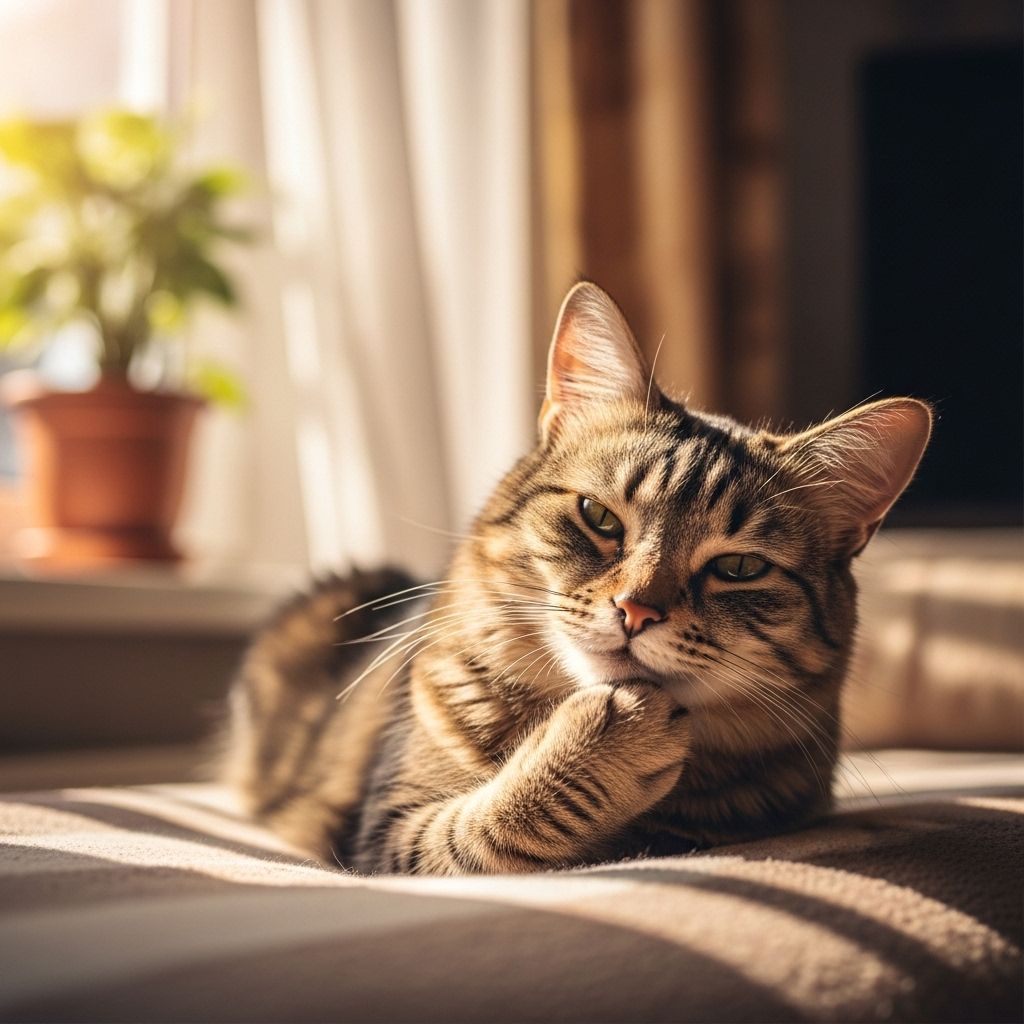
Understanding the Cat Heat Cycle
The heat cycle, also known as the estrous cycle, is an intrinsic part of a female cat’s reproductive system. This cyclical process impacts both her behavior and physical state, requiring awareness and informed care from pet parents. Knowing the signs and stages of a cat in heat allows for better management, comfort, and prevention of unplanned litters.
What Is a Cat’s Heat Cycle?
A cat’s heat cycle is the repetitive physiological process that prepares her for mating and possible pregnancy. This cycle is regulated by hormones and typically commences when a female cat reaches puberty, often between 5 to 10 months of age, though the exact timing depends on breed and environmental factors. Unlike dogs, cats are seasonally polyestrous, meaning they can have multiple cycles during the breeding season, especially when daylight hours are longer.
Stages of the Feline Estrous Cycle
- Proestrus: Lasts 1–2 days. The cat may appear restless or more affectionate. Subtle changes in her vocalizations are often the first clue for owners.
Behavior: Mild restlessness, increased affection, subtle changes in meowing. - Estrus (Heat): The main stage lasting 4–6 days. The most dramatic behavioral changes occur here. This is when the cat can become pregnant.
- Loud, insistent vocalization (‘calling’)
- Affectionate or demanding behavior
- Pacing, restlessness
- Posturing with raised hindquarters and tail to the side
- Excessive grooming, sometimes with mild vaginal discharge
- Persistent rubbing against people or objects
- Interestrus: Lasts 7–14 days if mating does not occur. Behaviors fade, and the cat returns to a calmer demeanor until the next cycle begins.
- Anestrus: A period of reproductive inactivity, often seen in winter months when daylight is reduced.
Recognizing Signs of a Cat in Heat
The signs of a cat in heat are typically behavioral and, for most owners, impossible to overlook. Each cat may express these signs with differing intensity:
- Vocalization: Loud, persistent meows or yowls intended to attract males. These cries can carry throughout the house and are more frequent at night.
- Increased Affection: The cat may rub continuously against furniture, people, and walls, attempting to spread her scent.
- Pacing and Restlessness: A cat in heat may seem unable to settle, moving anxiously around the home.
- Physical Posturing: When stroked, she may raise her hindquarters and hold her tail to the side, a signal to males.
- Excessive Grooming: Some cats may groom their genital area more frequently, with possible mild discharge.
- Attempts to Escape: Cats may try to access the outdoors to find mates, even if usually content indoors.
- Change in Appetite: Some cats may eat less or show erratic eating patterns.
Behavioral Changes in Detail
| Sign | Description | Typical Frequency |
|---|---|---|
| Loud Meowing | Long, plaintive cries sometimes described as yowling. Occurs repeatedly and may seem frantic. | Often continuous during estrus phase |
| Affectionate Behavior | Persistent rubbing, rolling on the ground, seeking attention from owners. | Several times a day |
| Pacing | Noisy movements around the house, inability to settle or relax. | Common throughout heat |
| Physical Posturing | Raised rear, tail held to side, especially if stroked or touched near the lower back. | Frequent, highly visible |
| Escape Attempts | Scratching at doors or windows, trying to get outside. | More likely in indoor-only cats |
Why Do Cats Go Into Heat?
The heat cycle is the result of natural hormone fluctuations triggered by environmental cues such as increased daylight, age, and maturity. A cat enters heat to seek a mate; if she does not mate, she will continue to cycle repeatedly until pregnancy occurs or she is spayed.
How Often Do Cats Go Into Heat?
During breeding season—typically spring and summer—cats may go into heat every 2 to 3 weeks if not bred. If housed indoors under artificial lighting, the cycles may continue year-round.
Induced Ovulation in Cats
Cats are induced ovulators. This means ovulation—the release of eggs—occurs only after mating or sufficient external stimulation, rather than automatically on schedule. If the cat does not mate, her hormonal cycle resets, and estrus returns again in days or weeks.
Caring for a Cat in Heat
The heat cycle can be stressful for both the cat and owner. Here are essential tips for comfort and management:
- Provide Comfort: Create a quiet, cozy retreat with blankets or a favorite bed for your cat to decompress.
- Minimize Stress: Use pheromone sprays or diffusers to calm your cat’s nerves. Maintain routine and gentle handling.
- Prevent Escapes: Ensure all doors, windows, and screens are secure so your cat cannot leave in her quest to find mates.
- Redirect Energy: Engage her with toys or gentle play to burn off anxiety and restlessness.
- Extra Attention: Be patient and offer extra affection, but respect boundaries if she appears agitated or overstimulated.
Should You Spay a Cat in Heat?
Spaying is the only permanent solution to prevent the heat cycle. While it is technically possible to spay during heat, many veterinarians advise waiting until the cat exits estrus because increased blood flow to reproductive organs during estrus can increase surgical risk. Always consult a veterinarian to coordinate the best timing.
Reasons to Spay Your Cat
- Prevents repeated heat cycles and associated behavioral issues
- Eliminates chance of unplanned pregnancies
- Reduces the risk of reproductive diseases such as pyometra (uterine infection) and ovarian cancers
- Contributes to controlling feral cat populations
Common Myths and Facts About Cats in Heat
| Myth | Fact |
|---|---|
| Cats must have one litter before spaying. | False. Cats can safely be spayed before their first heat and do not require a litter for health. |
| All cats show bloody discharge during heat. | False. Unlike dogs, cats rarely have noticeable discharge—behavioral changes are the primary signs. |
| Cats only go into heat in summer. | Partially True. Most cats cycle in spring and summer, but indoor cats may experience year-round cycles due to artificial light. |
| Mating is needed to stop heat cycles. | False. Spaying ends cycles permanently; mating only interrupts temporarily if pregnancy occurs. |
Frequently Asked Questions (FAQs)
Q: How long does a cat stay in heat?
A: The estrus stage lasts about 4–6 days, but the full cycle may take 1 to 3 weeks, repeating frequently if the cat is not bred.
Q: Can young kittens become pregnant while in heat?
A: Yes, kittens as young as 5 months can become pregnant. It is recommended to wait until a cat is fully grown (around 1 year) for breeding.
Q: Is it normal for cats to show frequent behavioral changes during the heat cycle?
A: Yes, every cat displays a unique mix of behaviors during heat, ranging from increased affection to agitation and escape attempts.
Q: Do hormonal changes make my cat sick?
A: While most signs are behavioral, some cats may eat less or groom excessively, but serious illness is rare unless complications occur. Always monitor for significant changes in appetite, grooming, or energy and consult your vet for concerns.
Q: What should I do if I don’t plan to breed my cat?
A: Schedule a spay procedure as soon as your cat is eligible. Spaying is the most effective, permanent solution for heat cycles.
Prevention and Managing Heat Cycles
- Spay Before Puberty: This prevents any heat cycles, behavioral changes, and unplanned litters.
- Monitor for Signs: Regularly observe your cat for changes in behavior or physical state after five months of age.
- Secure Environment: Close windows, secure doors, and provide mental stimulation to reduce restlessness.
- Consult Your Veterinarian: If in doubt about your cat’s reproductive status, schedule an exam for expert guidance.
Special Considerations for Multi-Cat Households
- In homes with unneutered male cats, expect increased attention and possible mounting behavior.
- Rivalry and stress can rise during the heat cycle—provide separate safe zones as needed.
- Unspayed females can synchronize cycles if housed together, exacerbating behavioral symptoms.
Cats in Heat: Summary Table
| Aspect | Description |
|---|---|
| First Heat | 5–10 months of age; depends on breed and environment. |
| Cycle Length | Typically 2–3 weeks, repeating if no mating or spay occurs. |
| Key Behaviors | Vocalizing, restlessness, posturing, affection, attempts to escape. |
| Physical Signs | Possible mild discharge, excessive grooming; no blood as in dogs. |
| Best Solution | Spaying at earliest safe age. |
Final Thoughts
The feline heat cycle is a natural, hormonally driven aspect of your cat’s life. Owners should prepare by learning how to identify signs, ensure their pet’s comfort, and make responsible future decisions. Spaying not only ends heat cycles but benefits your cat’s lifelong health while preventing unplanned litters. Understanding and responding compassionately to your cat’s reproductive cycle will foster peace, safety, and wellbeing for both pet and owner.
Similar Articles





Read full bio of Sneha Tete