Cat Suddenly Lethargic and Weak: Causes & Treatment
Understanding the Reasons Behind a Cat's Sudden Lethargy and Weakness
Introduction to Cat Lethargy
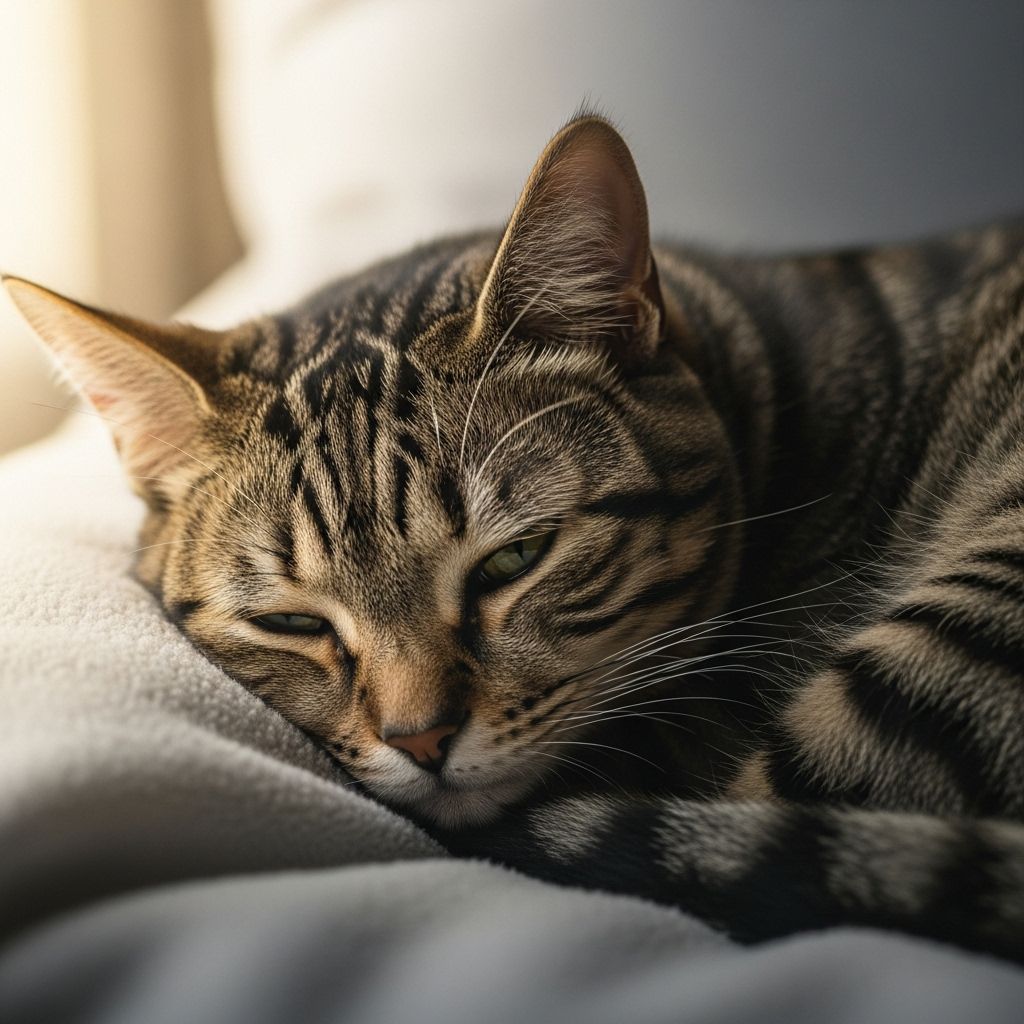
Observing a cat suddenly become lethargic and weak can be alarming. It’s a common symptom that can arise from various health issues. Understanding the causes and recognizing the signs early is crucial for providing appropriate care and ensuring your cat receives necessary medical attention.
Causes of Lethargy in Cats
Cat lethargy can be caused by a wide range of factors, including both acute and chronic conditions. Here are some of the most common causes:
- Infections: Bacterial, viral, or parasitic infections can lead to lethargy. Common examples include feline leukemia virus (FeLV) and feline immunodeficiency virus (FIV), as well as upper respiratory infections.
- Pain and Trauma: Pain from injuries or internal issues can cause a cat to become lethargic.
- Metabolic Disorders: Conditions like diabetes mellitus and hyperthyroidism can lead to lethargy.
- Heart Disease: Conditions affecting the heart, such as hypertrophic cardiomyopathy, can cause lethargy due to poor circulation.
- Respiratory Conditions: Asthma, chronic bronchitis, or pneumonia can make it difficult for a cat to breathe, leading to lethargy.
- Kidney and Liver Disease: These conditions can lead to the buildup of toxins, causing lethargy.
- Dehydration and Electrolyte Imbalance: Failure to drink enough water or loss of electrolytes can lead to weakness and lethargy.
- Medication Side Effects: Certain drugs can cause lethargy as a side effect.
- Environmental Factors: Extreme temperatures, lack of social interaction, or changes in the household can also contribute to lethargy.
Recognizing the Signs of Lethargy
Identifying lethargy in cats involves recognizing changes in behavior and physical condition. Common signs include:
- Abnormal Sleep Patterns: Spending more time sleeping than usual.
- Lack of Interest in Activities: Not engaging in play or normal behaviors.
- Decreased Appetite: Reduced interest in food or water.
- Slow Movement: Difficulty getting up or moving around.
- Poor Grooming: Reduced grooming habits leading to matted or dirty fur.
What to Do If Your Cat Becomes Lethargic
If you notice sudden lethargy in your cat, it’s important to act quickly. Here are steps you can take:
- Observe and Record Symptoms: Keep track of your cat’s behavior and any other symptoms.
- Consult a Veterinarian: Schedule an immediate appointment if lethargy is sudden and severe.
- Provide a Comfortable Environment: Ensure your cat has access to a quiet, warm space with plenty of water.
Treatment Options for Lethargic Cats
Treatment for lethargy in cats depends on the underlying cause. Common treatments include:
- Medications: To manage pain, reduce inflammation, or cure infections.
- Fluid Therapy: To address dehydration and electrolyte imbalances.
- Supportive Care: Providing a nutritious diet and ensuring proper hydration.
- Monitoring and Follow-Up: Regular check-ups with your veterinarian to track progress and adjust treatment as needed.
Frequently Asked Questions (FAQs)
Q: Why is my cat suddenly lethargic?
A: Sudden lethargy can be due to various health issues, including infections, pain, metabolic disorders, or environmental changes.
Q: How quickly should I seek veterinary care if my cat is lethargic?
A: It’s crucial to seek veterinary care immediately if your cat’s lethargy is sudden and severe, as it can indicate a serious health issue.
Q: Can environmental changes cause lethargy in cats?
A: Yes, changes in the environment, such as new pets or people, can stress a cat and lead to lethargy.
Similar Articles






Read full bio of medha deb