Coccidiosis in Cats: Symptoms, Diagnosis, Treatment & Prevention
Thoroughly understand coccidiosis in cats, from causes and signs to diagnosis, treatment strategies, and prevention methods.
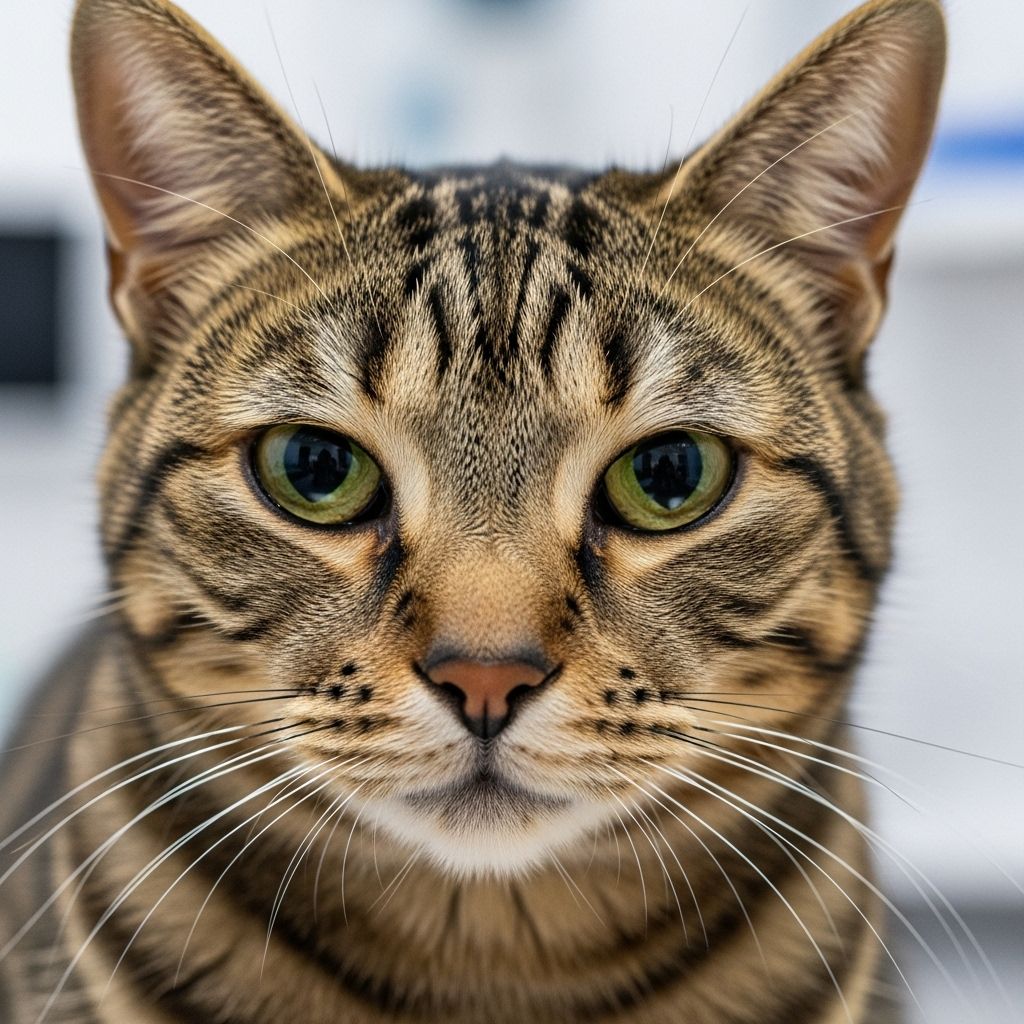
Coccidiosis is a significant parasitic disease affecting cats, particularly kittens and animals with compromised immune systems. It is caused by single-celled protozoan parasites called coccidia that inhabit the intestinal tract, leading to a range of digestive symptoms. Understanding the risks, clinical signs, diagnosis, and management of coccidiosis helps cat owners and veterinarians protect and restore feline health.
What Is Coccidiosis?
Coccidiosis in cats is an intestinal infection caused by the protozoal parasites of the genus Isospora, notably Isospora felis and Isospora rivolta. While infections are often mild or subclinical in adult cats, they can be severe in kittens and immunocompromised individuals, sometimes leading to life-threatening illness.
Main Types of Coccidia in Cats
- Isospora felis: Most prevalent in cats
- Isospora rivolta: Also common and with recognizable oocysts in fecal examination
The life cycle of coccidia includes both asexual and sexual reproduction within the cat’s intestines, culminating in the shedding of infective eggs (oocysts) in the feces. These oocysts then sporulate in the environment, making them infective to other susceptible hosts.
Causes of Coccidia Infection in Cats
Most cats acquire coccidia from their environment. Outdoor cats and those with access to rodents or other prey are particularly at risk. Kittens or cats sharing space with infected animals, such as a communal litterbox, have a higher chance of exposure and infection.
- Ingestion of infective oocysts from contaminated environments (soil, water, or litterboxes)
- Consumption of transport hosts such as mice or rats, which carry dormant coccidia stages
- Direct cat-to-cat transmission can occur through grooming or exposure to contaminated fur or paws
While many cats remain asymptomatic carriers, stress, immunosuppression, and co-infections can trigger outbreaks and clinical illness, especially in kittens and animals with weakened defenses.
Symptoms of Coccidiosis in Cats
The severity of symptoms depends on the cat’s age, immune status, and parasite load. Kittens and debilitated adults are most likely to develop severe symptoms, while healthy adult cats may show no signs at all.
| Common Symptoms | Description |
|---|---|
| Diarrhea | Often watery, sometimes containing mucus or blood; most common symptom |
| Vomiting | Intermittent, may occur alongside diarrhea |
| Dehydration | Resulting from fluid loss; can be life-threatening in severe cases |
| Loss of appetite | Reduced food intake, possible weight loss |
| Abdominal distress | Cats may appear to have abdominal pain or discomfort |
| Lethargy, weakness | General malaise, especially if illness progresses |
In some severe cases, rapid dehydration, anemia, and even death may occur—particularly in very young kittens or those with underlying health issues.
Transmission: How Cats Get Coccidia
Cats are exposed to coccidia through the ingestion of sporulated (infective) oocysts. These can be present in contaminated litter boxes, soil, food, or water, and on the fur and paws during grooming.
- Direct: Eating or licking material contaminated with feces from an infected cat
- Indirect: Hunting or consuming infected prey (rodents or insects)
- Environmental: Exposure to contaminated surfaces, including bedding, litter, or food bowls
Transport hosts (like rodents) can harbor dormant coccidia stages, passing infection to cats upon ingestion. Communal living conditions and unsanitary environments increase the risk of recurring or persistent infection.
Life Cycle and Pathogenesis
The coccidia parasite’s life cycle has an environmental and intestinal stage, both of which contribute to transmission and disease:
- Sporulated oocysts are shed in feces and become infective after 1–7 days in warm, humid, oxygen-rich environments
- Ingestion of infective oocysts leads to multiplication in the intestines, with cycles of asexual and sexual reproduction causing mucosal damage, inflammation, and symptoms
- Encysted forms (cystozoites) can remain dormant in tissues of transport hosts (like mice or rats) and in stressed or immunocompromised cats; reactivation leads to new cycles of infection
Heavy infections cause the most significant intestinal damage, resulting in the loss of nutrients and fluids, and potentially hemorrhage and secondary complications.
How Veterinarians Diagnose Coccidiosis
Diagnosis of coccidiosis requires a combination of clinical assessment and laboratory testing. Your veterinarian will consider your cat’s symptoms, history, and risk factors before performing specific tests.
Diagnostic Techniques:
- Fecal flotation: A stool sample is mixed with a solution that allows oocysts to float to the surface for microscopic identification
- Oocyst appearance: Each coccidia species has a distinct size and shape, aiding in identification
- PCR tests: Increasingly available for detecting coccidia DNA, offering more sensitivity for some hard-to-spot species
- Blood tests: Rarely needed; primarily used for detecting less common coccidial organisms
Multiple tests may be needed for confirmation, as oocysts can be shed intermittently and may be missed on a single exam.
Treatment of Coccidiosis in Cats
Most coccidia infections respond well to oral antimicrobial medications. The choice of drug and duration depends on parasite species, severity, and the cat’s health status.
| Medication | Notes |
|---|---|
| Sulfadimethoxine (Albon®) | The only FDA-approved drug for coccidiosis in cats; typically given for 5–20 days |
| Ponazuril | Originally for farm animals; used off-label, especially in shelters for kittens |
| Toltrazuril | Also used off-label, but less commonly |
| Amprolium | Another option if sulfa drugs are ineffective or not tolerated |
Supportive therapy may also be necessary, including:
- Probiotics to restore healthy gut flora
- Low-residue diets for easier digestion
- Anti-nausea medication
- Fluid therapy to correct dehydration, especially important for kittens and severely affected cats
In mild cases, especially in adult cats, the infection may resolve on its own, but veterinary guidance is always recommended for diagnosis, monitoring, and management.
Disinfection and Environmental Control
Reinfection can occur easily if environmental hygiene is not addressed. Coccidia oocysts are resistant to most common disinfectants but can be inactivated by certain methods.
- Immediate removal of feces: Prevents oocyst sporulation and environmental buildup
- Disinfecting litter boxes and surfaces with diluted chlorine bleach (one cup in one gallon of water). Test a small area first to avoid damage to surfaces
- Steam cleaning: An effective alternative for hard surfaces and bedding
- Strict personal hygiene: Wear gloves when cleaning and wash hands thoroughly afterward
Prevention of Coccidiosis in Cats
Preventing coccidiosis centers around good hygiene and minimizing exposure to infective stages:
- Clean litter boxes and living areas daily
- Limit outdoor access, especially unsupervised hunting
- Control rodent populations in and around the home
- Isolate infected cats and kittens during treatment
- Use recommended disinfectants and/or steam for cleaning
- Maintain a healthy diet and minimize stress to support immune function
Kittens, elderly cats, and animals with health problems are particularly vulnerable, so prioritize their protection in multi-cat environments and shelters.
Frequently Asked Questions (FAQs)
Q: Can humans catch coccidia from cats?
A: The species of coccidia that infect cats (Isospora felis and Isospora rivolta) do not infect humans. However, good hygiene is always advised when handling litter boxes due to other zoonotic (easily transmitted to humans) pathogens.
Q: Will indoor-only cats get coccidiosis?
A: While less common, indoor cats can still become infected through contaminated food, water, or litter, or if new animals are introduced into the home carrying the parasite.
Q: How serious is coccidiosis for kittens?
A: Coccidiosis can be fatal to kittens. Their immature immune systems make them far more susceptible to severe dehydration, malnutrition, and secondary infections. Prompt veterinary care is essential.
Q: Can a cat be reinfected after treatment?
A: Yes, the risk of reinfection persists if the cat is exposed to contaminated environments or litter boxes. Maintaining rigorous cleanliness is key to preventing recurrence.
Q: Is there a vaccine for coccidia in cats?
A: No, there is currently no vaccine available for coccidia in cats. Prevention relies entirely on hygiene and minimizing environmental exposure.
Key Points to Remember
- Coccidiosis is caused by protozoan parasites, and most infections are acquired from contaminated environments or prey animals.
Similar Articles






Read full bio of medha deb