Common Goldfish Diseases: Identification, Symptoms, and Treatment
Comprehensive guide to identifying, preventing, and treating the most frequent goldfish diseases for healthy aquarium life.
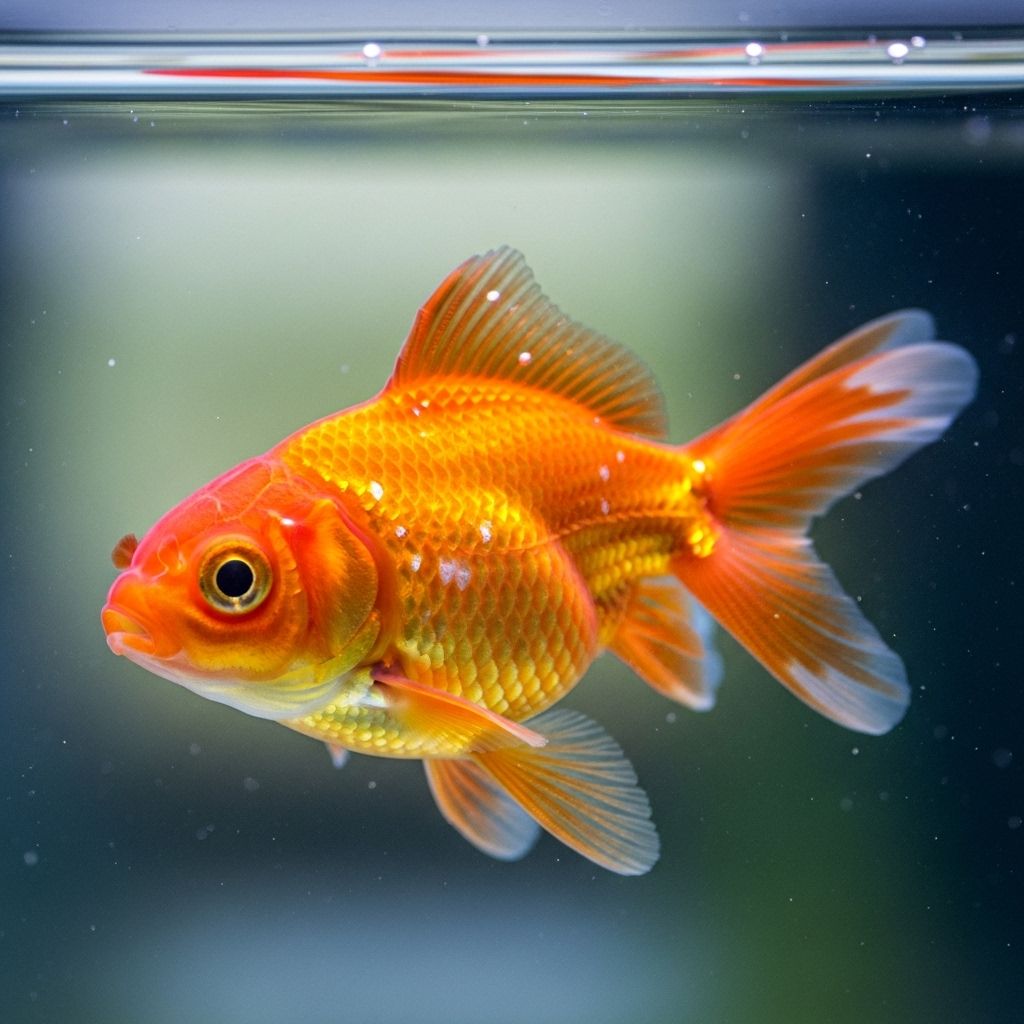
Goldfish are among the most popular freshwater aquarium fish due to their vivid colors, robustness, and fascinating behavior. However, goldfish, like all aquatic creatures, are susceptible to a range of diseases that can threaten their health if not addressed promptly. Understanding the types of diseases, their symptoms, causes, and treatments is essential for both novice and experienced aquarists to maintain a healthy, vibrant aquarium.
Recognizing Signs of Illness in Goldfish
Early detection is critical for successful treatment of goldfish diseases. Watch out for these common symptoms:
- Lethargy or abnormal swimming patterns (e.g., floating sideways, sinking to the bottom).
- Clamped fins or frayed, deteriorating fin edges.
- Loss of appetite or refusal to eat.
- Visible spots, lesions, ulcers, or fuzzy growths on the body or fins.
- Rapid gill movements or labored breathing.
- Changes in coloration, such as paleness or darkening.
- Scratching or rubbing against tank decorations (flashing behavior).
Most Common Goldfish Diseases
Goldfish are susceptible to several types of diseases, which are usually grouped into bacterial, fungal, and parasitic infections. Below is an overview of the most prevalent goldfish ailments, how to recognize them, and what action to take.
1. White Spot Disease (Ich)
Ichthyophthirius multifiliis, commonly known as Ich or white spot disease, is perhaps the most common and recognizable goldfish ailment. It appears as tiny, salt-like white spots on the body and fins.
- Symptoms: Small white dots, heavy breathing, rubbing the body against tank surfaces, lethargy.
- Causes: Parasitic protozoa thrive in poor water quality or when fish are stressed, often affecting new arrivals.
- Treatment: Gradually raise water temperature to 75–80°F, increase aeration, and add aquarium salt. Commercial Ich treatments may contain formalin, malachite green, or copper-based solutions. Continue treatment for at least 3–5 days after symptoms disappear to prevent relapse.
2. Fin Rot
Fin rot is a bacterial disease that causes the fins to fray and deteriorate.
- Symptoms: Frayed or ragged fins with a whitish edge, fin loss.
- Causes: Poor water quality, injury, and secondary infection from other diseases.
- Treatment: Improve water quality, remove affected fish to a quarantine tank, and treat with antibacterial medications specifically formulated for aquatic use. Mild cases may respond to salt baths.
3. Fungal Infections
Fungal infections usually appear as cotton-like white or gray patches on the skin, fins, or gills.
- Symptoms: Cottony, fluffy patches on body or fins; lethargy.
- Causes: Injury, stress, or secondary infection, often following other diseases or poor water conditions.
- Treatment: Isolate affected fish, treat with antifungal medications, and ensure optimal water quality. Commercial antifungal treatments can be purchased at aquarium stores.
4. Swim Bladder Disorder
Swim bladder problems affect the fish’s ability to maintain buoyancy.
- Symptoms: Abnormal swimming patterns (floating upside-down, struggle to rise or sink, tilting).
- Causes: Overfeeding, constipation, poor diet, infections, or genetic deformities.
- Treatment: Fast the fish for 24–48 hours, then offer shelled peas. If no improvement, consult a veterinarian. Correct underlying water quality issues.
5. Dropsy
Dropsy is a descriptive term for severe swelling caused by fluid retention, often resulting from systemic bacterial infection or organ failure.
- Symptoms: Swollen or bloated body, protruding scales (pinecone appearance), lethargy.
- Causes: Kidney failure, bacterial infection, or exposure to contaminated food or water.
- Treatment: Isolate the fish, improve water quality, and administer a broad-spectrum antibiotic. Prognosis is often poor if internal organ damage is advanced.
6. Mouth Fungus (Cotton Mouth)
Despite its name, mouth fungus (also called columnaris) is a bacterial infection, not a true fungus. It causes white, cotton-like growths around the mouth, which can spread to the gills and fins.
- Symptoms: White, cottony growth on and around the mouth, gills, and fins; possible tissue destruction.
- Causes: Flexibacter bacteria, usually thriving in dirty or overcrowded tanks.
- Treatment: Isolate infected fish, disinfect tank ornaments, and treat with antibacterial medications. Salt baths can help inhibit early infections.
7. Costia (Ichthyobodo)
Costia is a microscopic parasite that infects the skin and gills, forming milky or gray patches and often causing respiratory distress.
- Symptoms: Milky or slimy patches on the skin, labored breathing, lethargy, and scratching.
- Causes: The Ichthyobodo parasite, usually proliferating in poor water conditions or when fish are stressed.
- Treatment: Raise tank temperature to 80–83°F, use copper-based medications like CopperSafe or Acriflavine (check for compatibility with other fish), and ensure pristine water conditions.
8. Trichodina
Trichodina parasites attach to the skin and gills, causing significant irritation and potentially leading to ulcers.
- Symptoms: Goldfish scratch their bodies, skin irritation, possible ulcers.
- Causes: Contaminated water, high bacterial load.
- Treatment: Immediate water quality improvement, salt addition, and if resistant, use specific treatments such as Quick Cure as directed.
9. Goldfish Furunculosis
Furunculosis is a severe bacterial disease marked by inflamed sores under the scales, which may rupture and form ulcerated wounds.
- Symptoms: Raised lesions under scales, ulcers, possible scarring in survivors.
- Causes: Aeromonas salmonicida bacteria, often flourishing in cold, unclean water.
- Treatment: Warm water to 80°F to inhibit the bacteria, isolate the fish, and use a broad-spectrum antibiotic to prevent secondary infection. There is no known cure for severe ulcers, but some fish recover with prompt care.
10. Hole in the Head Disease
This progressive condition causes small pits to form on the fish’s head, often worsening if left untreated.
- Symptoms: Small holes or pits on the head, mucus secretion, loss of protective slime coating.
- Causes: Believed to be linked to parasites, bacteria, nutritional deficiencies, and poor water quality.
- Treatment: Isolate affected fish in clean, fresh water, improve diet with vitamin supplementation, and consider adding salt. If the condition is advanced, use metronidazole as a last-resort medication.
Preventing Diseases in Goldfish
Prevention is far easier and more effective than treatment when it comes to goldfish diseases. Follow these best practices to help your fish thrive:
- Maintain excellent water quality by testing water parameters regularly (ammonia, nitrite, nitrate, pH), performing routine water changes, and using a reliable filtration system.
- Avoid overcrowding by providing adequate space for each goldfish; too many fish increase waste and stress.
- Quarantine new arrivals for at least 2–3 weeks before introducing to the main tank to prevent introducing new diseases.
- Feed a balanced, varied diet rich in vitamins and minerals to support immune health.
- Promptly remove uneaten food and visible waste to avoid spikes in harmful bacteria.
- Monitor your fish daily for any changes in appearance or behavior.
Treatment Strategies for Sick Goldfish
If your goldfish becomes ill, quick and decisive action can make a significant difference. Here are the standard steps to follow:
- Isolate the sick fish in a separate hospital tank to prevent disease transmission and allow targeted treatment.
- Diagnose the disease by carefully observing symptoms and, if needed, consulting with an aquatic veterinarian or specialist.
- Administer appropriate medications: Only use fish-safe medicines as indicated for the diagnosed condition (antibacterial, antifungal, or antiparasitic).
- Maintain exceptional water quality with frequent partial water changes and proper filtration in both main and hospital tanks.
- Adjust diet and feeding practices as advised for specific conditions (e.g., feeding peas for swim bladder disorder).
- Disinfect aquarium equipment to prevent the spread of pathogens.
Table: Summary of Common Goldfish Diseases
| Disease | Main Symptoms | Likely Causes | Treatment |
|---|---|---|---|
| Ich (White Spot) | White spots, scratching, lethargy | Parasite, stress, new fish | Raise temp, salt, commercial meds |
| Fin Rot | Frayed/ragged fins | Bacteria, dirty water | Antibacterial meds, water changes |
| Fungal Infection | Cottony patches | Injury, poor water | Antifungal meds, isolation |
| Dropsy | Bloating, pinecone scales | Bacteria, organ failure | Antibiotics, isolation |
| Costia | Milky skin, breathing issues | Parasite, dirty tank | Raise temp, copper meds |
| Trichodina | Scratching, ulcers | Poor water, bacteria | Water change, salt/meds |
| Furunculosis | Ulcers, raised bumps | Bacteria, cold water | Antibiotics, higher temp |
| Hole in the Head | Head pits, slime loss | Parasite, nutrition | Isolation, vitamins, metronidazole |
Frequently Asked Questions (FAQs)
How can I tell if my goldfish is sick?
Sick goldfish often show signs like abnormal swimming, clamped fins, loss of appetite, discoloration, visible spots, or fuzzy patches. Early observation and response are key to effective treatment.
Is it necessary to quarantine new goldfish?
Yes, quarantining new arrivals for 2–3 weeks helps prevent the spread of diseases to established fish in your main tank.
Can most goldfish diseases be cured?
Many common goldfish diseases are treatable, especially with early intervention, good water quality, and proper use of medications. However, some conditions such as advanced dropsy or severe furunculosis can be fatal.
What is the most important preventive measure for goldfish health?
Maintaining excellent water quality through regular testing and care is the best way to prevent most diseases. Avoid overfeeding and overcrowding to reduce stress and contamination.
Should I treat the whole aquarium if only some fish are sick?
If a disease is contagious or parasitic (like Ich), treating the whole aquarium may be necessary. For localized cases or secondary infections, isolation and targeted care are preferred.
Similar Articles






Read full bio of medha deb