Curly Hair Tarantula Care: A Complete Pet Guide
A thorough introduction to keeping and caring for Curly Hair Tarantulas as pets—from setup to feeding, health, and FAQs.
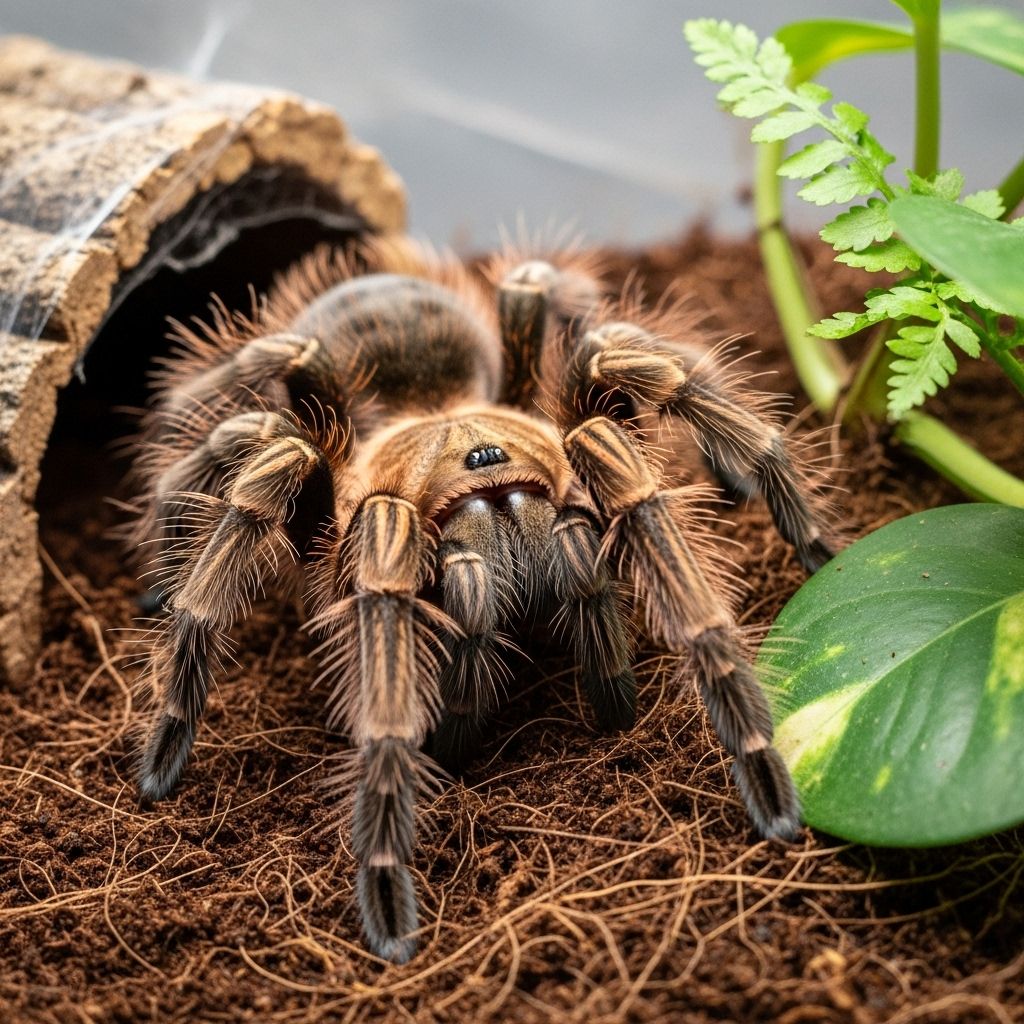
Curly Hair Tarantula: The Ideal Beginner Arachnid
If you are searching for an exotic yet manageable pet, Curly Hair Tarantulas (Tliltocatl albopilosus, formerly Brachypelma albopilosum) stand out among arachnid enthusiasts for their unique appearance, easy temperament, and straightforward care requirements. This care guide will help you understand everything about these remarkable spiders—from their natural history and enclosure setup to daily care, feeding, and common health concerns.
What Is a Curly Hair Tarantula?
Tliltocatl albopilosus, commonly known as the Curly Hair Tarantula, is native to the tropical rainforests of Central America, including Nicaragua, Honduras, and Costa Rica. Its characteristic thick, tightly curled setae (body hairs) give the spider its whimsical appearance, differentiating it from other tarantula species. There are two main hobby forms: the darker “Honduran” and the lighter “Nicaraguan” Curly Hair, though DNA studies are still ongoing to clarify their taxonomy. Both types share similar care requirements and hardy personalities.
Native Habitat and Natural Behaviors
In the wild, Curly Hair Tarantulas inhabit moist, tropical environments, often near riverbanks or at the bases of trees where humidity remains steady. They are semi-fossorial, meaning they spend part of their lives burrowed beneath the surface, seeking shelter and moisture. Knowing their natural behaviors helps in recreating an ideal environment in captivity:
- Thrives in moderate to high humidity (65-85%).
- Prefers deep, moisture-retentive substrates for burrowing.
- Active mainly during dawn and dusk, spending daylight hours in or near a burrow.
Personality, Temperament & Handling
Curly Hair Tarantulas are renowned for their docile, calm, and slow-moving nature. Adults are rarely defensive, seldom showing a threat pose unless truly stressed, and often remain on display, making them excellent visual pets. Juveniles can be skittish but typically mellow with age.
- Excellent for first-time tarantula owners due to their forgiving temperament and simple care.
- May kick urticating hairs if threatened, but bites are exceedingly rare.
- Handling is possible; allow them to walk onto your hand gently and always do so over soft surfaces to minimize injury from accidental falls.
While handling is tolerated, it should be minimized. Tarantulas don’t appreciate petting or frequent interaction like traditional pets. Observe them instead to enjoy their fascinating behaviors without risk.
Enclosure Setup & Environmental Requirements
Creating the right setup is vital for the health and well-being of your tarantula. Each life stage—spiderling, juvenile, sub-adult, adult—requires specific enclosure adjustments, but the following fundamentals apply:
Recommended Supplies
- Bioactive substrate (e.g., Terra Aranea): Retains moisture, mimics natural conditions.
- Cork bark: Provides hiding spots and structural enrichment.
- Leaf litter, moss, and botanicals: Boost humidity and support bioactive setups.
- Live plants: Enhance humidity and natural aesthetics.
- Springtails: Serve as a cleanup crew for bioactive enclosures.
- Water dish: Essential for safe hydration; should be shallow and regularly cleaned.
- Pressure sprayer mister: For spot misting.
- Feeding tools: Hemostats and tongs for prey handling.
Enclosure Sized by Life Stage
| Stage | Enclosure | Setup Details |
|---|---|---|
| Spiderling | Small enclosure (Sling Crib/3″ Cube) | Fill 2/3 with damp substrate; keep moist but not swampy. |
| Juvenile | Medium acrylic display box/8″ Cube | Fill 1/2 with substrate; add cork bark and leaf litter for hides. |
| Sub-adult | Large acrylic box/12″ Cube | Horizontal floor space; deep substrate for burrowing. |
| Adult | Large slider crib/12–18″ Cube | Enclosure 3–5× tarantula’s diagonal leg span; minimize fall distance. |
Regardless of size, ensure that the enclosure is wider than it is tall; Curly Hair Tarantulas are terrestrial and could be injured by falls. The vertical gap from substrate to lid should be no more than twice, preferably 1.5×, the spider’s leg span.
Environmental Conditions
- Temperature: 68–85°F (20–29°C); room temperature is usually sufficient but warmer (78–85°F) preferred if possible. Avoid heat lamps or under-tank heaters due to risk of overheating.
- Humidity: 65–85% for ideal hydration. Achieve this by keeping substrate appropriately damp, but never waterlogged.
- Ventilation: Moderate airflow to prevent mold but not too much to dry out the substrate.
Monitor with digital thermometers and hygrometers. Mist lightly if levels drop.
Decoration & Enrichment
- Use naturalistic hides, cork bark, and leaf litter.
- Live plants and moss add humidity and allow natural behaviors.
- Avoid sharp decorations that could damage delicate body hairs or cause injury.
Feeding and Nutrition
Curly Hair Tarantulas are insectivores and thrive on a varied diet of appropriate feeder insects. Ensure food items are proportional to the tarantula’s size for safe consumption:
- Crickets
- Dubia roaches
- Discoid roaches
- Black soldier fly larvae
- Mealworms
- Flightless fruit flies for very small spiderlings
Frequency of feeding depends on age:
- Spiderlings: Every 4–7 days
- Juveniles: Every 7–14 days
- Adults: Every 14–21 days
Offer 1–5 insects per feeding based on the spider’s age and size. Remove any uneaten prey within 24 hours to prevent stress or mold development in the enclosure. Adult Curly Hairs may fast for periods, especially before or after molting—do not force-feed during these times.
Water & Hydration
- Always provide a shallow water dish. Clean and refill regularly.
- Supplement humidity by lightly misting substrate or enclosure walls, but avoid making the environment overly wet.
Cleaning & Routine Maintenance
- Spot clean uneaten prey and visible waste promptly.
- Replace substrate and perform a full enclosure cleaning every 6 months or when the setup appears dirty.
- Use non-toxic, pet-safe cleaning products if necessary; thoroughly rinse to avoid residue.
- Monitor enclosure for mold—replace materials quickly if found.
Health, Molting, and Common Problems
Like all tarantulas, Curly Hair Tarantulas molt to grow. Recognize healthy molts and watch for signs of stress or illness:
- Before molting, the tarantula may refuse food and become less active.
- Molt in a safe, undisturbed area; do not attempt feeding for several days before and after molting to avoid injury.
- Signs of a successful molt include vibrant new coloration and increased activity after recovery.
- If decorations cause hair loss or skin damage, replace with safer alternatives.
Common issues include dehydration (wrinkled abdomen, lethargy), injuries from falls or rough decor, and occasional stress from overhandling or poor environment. When in doubt, consult an experienced exotic animal veterinarian.
Buying and Ethical Considerations
- Choose captive-bred Curly Hair Tarantulas to support ethical practices and reduce illegal wild-capture.
- Reliable breeders typically have juvenile and sub-adult spiders readily available.
- Avoid wild-caught adults, which may contribute to poaching and environmental harm.
Frequently Asked Questions (FAQs)
Q: Are Curly Hair Tarantulas good pets for beginners?
A: Yes. Their docile temperament, hardy nature, and forgiving husbandry requirements make them one of the best starter species for first-time arachnid keepers.
Q: How often should I feed my Curly Hair Tarantula?
A: Feed spiderlings every 4–7 days, juveniles every 7–14 days, and adults every 14–21 days. Always remove uneaten prey within 24 hours.
Q: Can Curly Hair Tarantulas be handled?
A: Handling is possible, especially with adults. Allow them to crawl gently onto your hand and handle above a soft surface. Minimize handling to reduce risk of stress or injury.
Q: What temperature and humidity do they need?
A: Maintain a temperature range of 68–85°F (20–29°C) and humidity between 65–85% for optimal health.
Q: How do I set up their enclosure?
A: Use a deep, moisture-retentive substrate, provide hides like cork bark, maintain the appropriate enclosure size and minimize vertical distance to prevent falls. Add live plants for humidity and enrichment.
Q: How long do Curly Hair Tarantulas live?
A: Females often live 10–15 years in captivity, while males usually survive several years post-maturity.
Q: What should I do if my tarantula stops eating?
A: This is usually normal before molting or during seasonal fasting. Monitor for other signs of stress or dehydration, and consult a vet if refusing food for over a month without molting.
Q: Do they get along with other tarantulas?
A: No. Tarantulas are solitary and should be housed individually to avoid cannibalism or injury.
Conclusion
Curly Hair Tarantulas bring a fascinating addition to exotic pet collections. Their gentle disposition, charming appearance, and forgiving care make them a favorite among arachnid enthusiasts and newcomers alike. With the right setup, patience, and attention to basic care principles, these spiders will thrive and offer years of intrigue and enjoyment.
Similar Articles





Read full bio of Sneha Tete