Cushing’s Disease in Dogs: Symptoms, Diagnosis, and Treatment
Comprehensive guide to recognizing, diagnosing, and managing Cushing’s disease in dogs for pet owners and veterinarians.
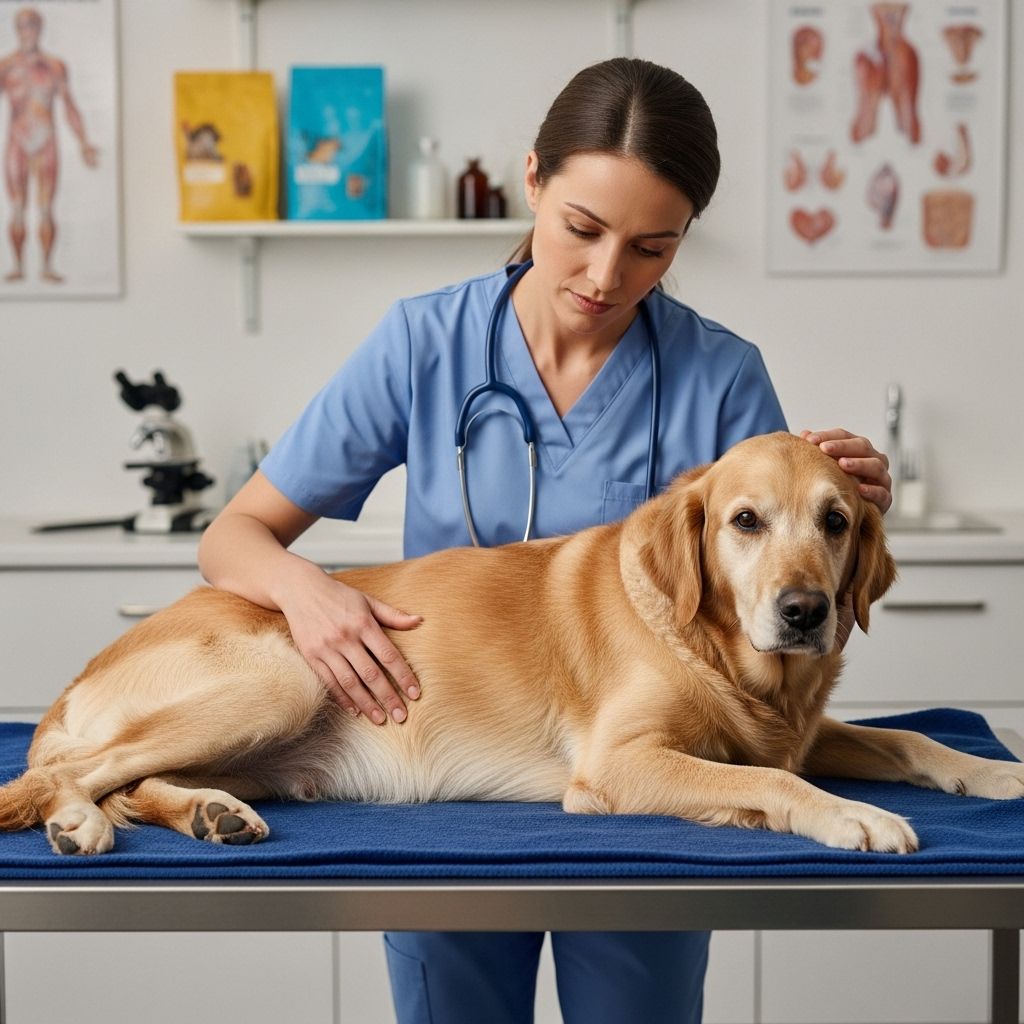
Cushing’s disease, also called hyperadrenocorticism, is an endocrine disorder in dogs that results from excessive production of cortisol—a hormone crucial to stress response and metabolism. This comprehensive guide covers the symptoms, causes, diagnosis, treatment, and prognosis for dogs affected by Cushing’s disease, empowering pet owners to better understand, identify, and manage this complex condition.
Understanding Cushing’s Disease in Dogs
Cushing’s disease primarily affects middle-aged to older dogs and can be caused by abnormalities in either the pituitary gland or adrenal glands. The excessive cortisol levels lead to diverse symptoms and potentially impact several body systems. Timely recognition and intervention can improve your dog’s quality of life and longevity.
What Is Cushing’s Disease?
Cushing’s disease, or hyperadrenocorticism, is a hormonal disorder where the adrenal glands produce too much cortisol. Overproduction is usually due to:
- Pituitary-dependent Cushing’s disease (most common): Caused by a benign tumor in the pituitary gland stimulating excess cortisol production.
- Adrenal-dependent Cushing’s disease: Result of a tumor on one of the adrenal glands.
- Iatrogenic Cushing’s disease: Develops from prolonged or excessive use of corticosteroid medications.
Symptoms of Cushing’s Disease in Dogs
Although not all dogs will present every sign, several clinical symptoms strongly suggest Cushing’s disease. Many of these signs develop gradually over time and can mimic normal aging or other health conditions.
- Increased thirst and urination (polyuria and polydipsia)
- Increased appetite (polyphagia)
- Pot-bellied or bloated abdominal appearance
- Thin, fragile skin
- Hair loss—especially on the sides, flanks, and tail
- Dark patches, blackheads, or changes in skin pigmentation
- Recurrent skin infections or poor wound healing
- Muscle weakness or wastage
- Lethargy or reduced activity
- Panting more than normal
- Persistent bladder or urinary tract infections
Other less common symptoms may include reproductive changes, calcium deposits in the skin (calcinosis cutis), or behavioral changes.
Why These Symptoms Occur
Excess cortisol impacts metabolism, immune response, skin, muscles, and fat distribution—explaining the characteristic symptoms. Increased appetite and thirst are direct effects of higher cortisol, while muscle breaking down and fat redistribution cause the pot-bellied look and stumbling, weak movements.
When to Contact a Veterinarian
Contact your veterinarian if your dog exhibits any persistent symptoms listed above, especially if they develop a sudden increase in appetite, thirst, or a pot-bellied appearance. Keep track of how much your dog drinks in a 24-hour period and, if possible, collect a urine sample to bring to your appointment.
- Act promptly—symptoms can overlap with other illnesses, making diagnosis important for effective management.
- Doctors rely on your keen observation for details that assist in diagnosis.
How Cushing’s Disease is Diagnosed
Diagnosis of Cushing’s disease involves a stepwise process, starting with a physical examination and a detailed history, followed by specific laboratory and imaging tests. Several other conditions may present with similar symptoms, so testing is essential for confirmation and further disease characterization.
Initial Evaluation
- Detailed physical examination
- Medical and medication history
- Baseline blood and urine testing
Common laboratory findings in Cushing’s include:
- Elevated liver enzymes, especially steroid alkaline phosphatase (S-ALP)
- Proteinuria (protein in urine)
- Lower urine concentration
- Typical white blood cell changes (“stress leukogram”)
Specialized Diagnostic Tests
| Test | Description | Purpose |
|---|---|---|
| Low-dose dexamethasone suppression test (LDDS) | Measures cortisol response after dexamethasone injection, over 8 hours | Most accurate for confirming Cushing’s and differentiating pituitary vs. adrenal forms |
| ACTH stimulation test | Assesses adrenal gland response to synthetic ACTH | Helps confirm excess cortisol production |
| Urine cortisol:creatinine ratio | Checks cortisol levels in urine | Useful for screening, but less specific (many false positives) |
| High-dose dexamethasone suppression test (HDDS) | Similar to LDDS but uses higher doses | Further distinction between pituitary and adrenal causes |
| Endogenous ACTH level | Measures ACTH in the bloodstream | Helps identify the source of excess cortisol |
Imaging for Cushing’s Disease
- Abdominal ultrasound: Evaluates adrenal glands’ size, shape, and presence of tumors; useful for distinguishing adrenal versus pituitary origin.
- X-rays: May detect an enlarged liver or rule out other conditions.
- Advanced imaging (CT or MRI scans): Especially helpful for visualizing the pituitary gland, identifying tumors, and planning surgery, though expensive.
In rare or ambiguous cases, some tests may be repeated over time for a definitive diagnosis.
Types of Cushing’s Disease and Their Causes
Pituitary-dependent Cushing’s Disease
This is the most common form, accounting for roughly 80-85% of cases. A small benign tumor on the pituitary gland overproduces adrenocorticotropic hormone (ACTH), which in turn signals the adrenal glands to make excessive cortisol.
Adrenal-dependent Cushing’s Disease
The adrenal gland itself develops a tumor (benign or, less often, malignant) that increases local cortisol production. This is seen in approximately 15-20% of dogs with Cushing’s.
Iatrogenic Cushing’s Disease
Prolonged or high-dose corticosteroid medication (for allergies or immune conditions) suppresses the pituitary gland and then triggers adrenal gland changes similar to Cushing’s. Prevention relies on judicious, vet-monitored steroid use.
Treatment Options for Cushing’s Disease in Dogs
Treatment for Cushing’s depends on the specific type, location of any tumors, your dog’s overall health, and the severity of symptoms. The goal is to reduce cortisol production and control symptoms while minimizing side effects. Complete cure is challenging except for select cases of adrenal tumors amenable to surgery. Most dogs require lifelong medication.
Overview of Treatments
- Lifelong oral medications to control cortisol (most common approach)
- Surgical removal of adrenal tumors (curative if confined, but major abdominal surgery is required)
- Gradual withdrawal of steroids if iatrogenic, under veterinary supervision
- Occasionally, radiation therapy for pituitary tumors
Medications for Cushing’s Disease
- Trilostane (Vetoryl®): Inhibits cortisol synthesis; widely considered first-line therapy for both pituitary- and adrenal-dependent forms.
- Mitotane (Lysodren®): Chemically destroys part of the adrenal cortex to control cortisol production; requires close monitoring.
Medications must be tailored to the specific Cushing’s type. Regular vet visits, blood tests, and dosage adjustments are necessary to ensure safety and efficacy.
Surgery and Other Approaches
- Adrenal tumor removal: Surgical removal is advised for eligible adrenal-dependent cases with non-spreading tumors. Success and risks depend on dog’s age, health, and metastasis.
- Pituitary tumors: Surgery is rarely performed due to difficulty and risk; medication remains the typical choice. In some cases involving larger or expanding brain tumors, radiation may be considered.
- Iatrogenic Cushing’s: Requires slow, structured withdrawal from corticosteroid medications under strict veterinary guidance, to avoid recurrence of the initial condition.
Ongoing Monitoring and Management
- Initial frequent monitoring with ACTH stimulation tests or cortisol checks to adjust medication
- Routine blood and urine tests throughout the dog’s life
- Alert your vet to any new or returning symptoms for possible treatment alteration
Most dogs with well-managed disease show significant improvement in energy, appetite control, and skin/coat health within weeks to months.
Prognosis and Long-term Care
With modern medications and attentive monitoring, dogs with Cushing’s disease can enjoy good quality of life for years. Lifespan varies according to disease type, age at diagnosis, and concurrent medical issues.
- Pituitary-dependent disease: With treated symptoms, many dogs live well for two to four years or longer after diagnosis.
- Adrenal tumor (benign): Removal may be curative; if malignant or spreading, prognosis depends on extent and treatment response.
- Iatrogenic type: Prognosis tied to the original condition and complications from steroid discontinuation.
Damage caused by high cortisol exposure (muscle loss, liver enlargement, skin thinning) may not always fully reverse, although most symptoms improve rapidly once treated. Regular checkups are crucial for adjusting medications, monitoring side effects, and screening for complications such as infections or diabetes.
Frequently Asked Questions (FAQs)
What dogs are at risk for Cushing’s disease?
Middle-aged and senior dogs are most commonly affected. Breeds with higher prevalence include Poodles, Dachshunds, Boxers, Boston Terriers, and Beagles. However, any breed can develop the disease.
Can Cushing’s disease be prevented?
Preventing iatrogenic Cushing’s centers on using corticosteroid medications at the lowest effective dose, for the shortest period, under veterinary guidance. There’s currently no preventive measure for naturally occurring pituitary or adrenal tumors.
Is Cushing’s disease fatal?
Untreated, Cushing’s can be life-shortening due to complications like diabetes, high blood pressure, infections, and blood clots. With appropriate treatment and monitoring, many dogs live comfortably for years.
Does Cushing’s cause pain in dogs?
Cushing’s is generally not painful, but associated complications such as muscle weakness, infections, or skin lesions can cause discomfort if not managed.
What should I do at home to care for a dog with Cushing’s disease?
- Administer all medications exactly as prescribed
- Monitor appetite, drinking, urination, and any changes in energy or skin
- Report any concerns—such as vomiting, diarrhea, collapse, weakness, or recurring infections—to your vet promptly
- Maintain regular veterinary appointments for monitoring
- Feed a well-balanced diet and provide exercise appropriate for your dog’s ability
Key Takeaways
- Cushing’s disease is a hormonal disorder caused by excessive cortisol production
- Symptoms include increased thirst, urination, appetite, pot-belly, skin and coat changes, and muscle loss
- Diagnosis requires specific blood, urine, and often imaging tests
- Treatment usually involves lifelong medication and monitoring; surgery is an option for some adrenal tumors
- Most dogs can enjoy a good quality of life with proper management
Similar Articles






Read full bio of medha deb