Dog Vomiting White Foam: Causes, Remedies, and When to Worry
Understand why dogs vomit white foam, what it means for their health, and when you should call a vet.
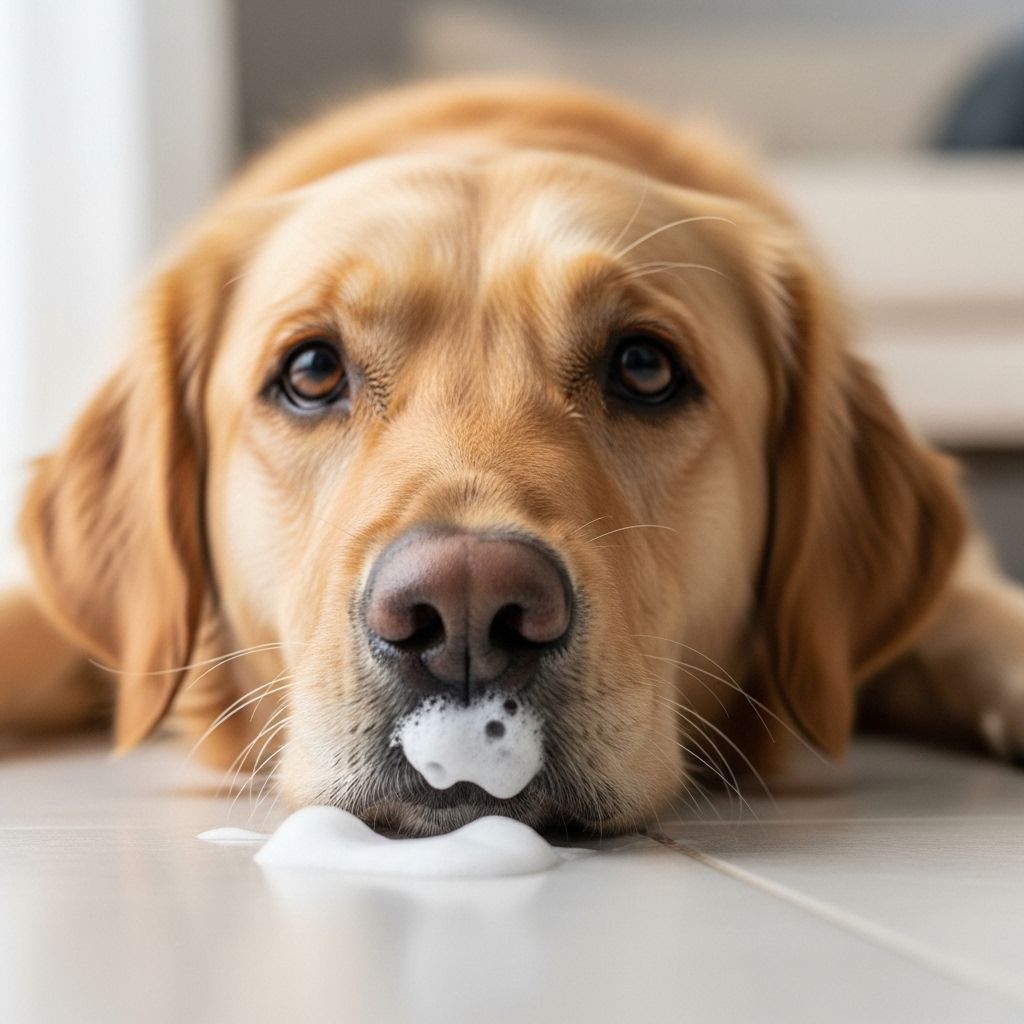
Unexpectedly finding your dog vomiting white foam can be unsettling. Understanding what causes this behavior and knowing when to seek veterinary help can make all the difference for your dog’s health and your peace of mind. This comprehensive guide explores the potential reasons, critical warning signs, and effective management strategies for dogs vomiting white foam.
Why Do Dogs Vomit White Foam?
White foam vomit in dogs is often a visible mixture of stomach acids, saliva, and air. This gives the ejecta its characteristic appearance and happens for a variety of underlying reasons.
- Empty Stomach: Stomach acid collects and mixes with saliva, especially after long periods without food, resulting in frothy vomit.
- Indigestion or Dietary Upset: Eating too quickly, ingesting unfamiliar foods, or dietary indiscretions (such as consuming grass or scraps) can irritate the stomach and cause vomiting.
- Bilious Vomiting Syndrome: Irregular feeding schedules may cause bile and gastric juices to accumulate, leading to vomiting, usually first thing in the morning or late at night.
- Gastric Irritation and Inflammation: Conditions such as gastritis (inflammation of the stomach lining) or gastroenteritis can lead to vomiting various substances, including white foam.
- Acid Reflux: Regurgitation of stomach acid irritates the esophagus, resulting in white frothy vomit in some dogs.
- Ingestion of Non-food Substances: Dogs who chew on or swallow grass, bones, toys, or garbage may vomit white foam as their body tries to rid itself of the irritant.
Table: Common Causes of White Foam Vomiting in Dogs
| Cause | Typical Onset | Associated Symptoms |
|---|---|---|
| Empty stomach | Morning or after fasting | Normal behavior |
| Gastointestinal upset | Soon after eating inappropriate food | Drooling, possible diarrhea |
| Bilious vomiting syndrome | Early morning/late night | No appetite, mild nausea |
| Gastritis/gastroenteritis | Anytime | Lethargy, loss of appetite, possibly diarrhea |
| Kennel cough/respiratory irritation | After coughing fits | Coughing, nasal discharge |
| Toxin ingestion | Anytime | Tremors, weakness, drooling |
| Bloat (Gastric Dilatation-Volvulus) | Sudden | Swollen abdomen, distress, unproductive retching |
Serious Health Conditions Linked to White Foam Vomiting
While occasional vomiting may result from minor upsets, persistent or recurrent vomiting of white foam may indicate an underlying medical problem.
- Gastrointestinal Inflammation (Gastritis/Gastroenteritis): Infections, parasites, food allergies, or ingestion of toxins can inflame the stomach lining, producing white foam vomiting alongside lethargy and appetite loss.
- Kennel Cough and Respiratory Illnesses: A cough may turn into a hacking effort to clear airway mucus, occasionally mistaken for white foam vomit. Watch for coughing, nasal discharge, and respiratory effort.
- Pancreatitis: Inflammation of the pancreas, often from eating fatty foods, can cause persistent vomiting, abdominal pain, and white foamy vomit.
- Bloat (Gastric Dilatation-Volvulus): A rapidly progressing and life-threatening condition where the stomach twists, trapping gas and fluids. Classic signs include excessive drooling, retching or trying to vomit without producing anything other than white foam, and a visibly swollen abdomen.
- Toxin Exposure: Many household and garden substances—from cleaners to certain plants and medications—are toxic to dogs. Vomiting white foam is a possible symptom, especially alongside tremors, drooling, or collapse.
Note: Prompt veterinary attention is required for suspected toxin ingestion, bloat, or persistent vomiting with signs of distress.
Recognizing Emergency Symptoms in Your Dog
Knowing the difference between minor, self-limited vomiting and signs that demand urgent veterinary intervention can save your dog’s life.
- Repeated vomiting over several hours
- Lethargy or weakness
- Severe abdominal pain (crying when touched, a stiff or distended abdomen)
- Continued refusal of food and water
- Collapse or unsteadiness
- Signs of bloat: unsuccessful retching, swollen abdomen, rapid breathing, pale gums
- Vomiting after ingesting a known toxin or foreign object
- Severe diarrhea—especially if bloody
If you observe any of these symptoms, seek immediate veterinary care.
What to Do If Your Dog Vomits White Foam
If your dog appears otherwise healthy, a single episode of white foam vomiting may not be a cause for panic. Here’s what you should do:
- Withhold Food and Water Briefly: Remove food and water for 6–12 hours. Allow small sips of water if your dog is thirsty and not vomiting non-stop.
- Observe Behavior: Monitor closely for continued vomiting, lethargy, swelling of the abdomen, or other signs of illness.
- Reintroduce Food Gradually: If vomiting subsides, offer a bland diet (boiled chicken and rice) in small portions over the next 24–48 hours.
- Resume Normal Diet Slowly: If your dog tolerates bland food, slowly transition back to regular food over several days.
Do not:
- Give human medications
- Try home remedies if symptoms persist or worsen
- Ignore persistent vomiting, severe symptoms, or ingestion of known toxins
When to Call the Veterinarian
- Vomiting persists for more than 24 hours or is recurring frequently
- Vomiting is accompanied by other symptoms: lethargy, loss of appetite, diarrhea, abdominal pain, or behavioral changes
- Your dog is a puppy, geriatric, or has chronic health conditions
- There is a possibility your dog ingested something toxic or a foreign object
- Signs of bloat or distress are present
Veterinarians may recommend blood tests, X-rays, or other diagnostics to identify underlying issues and tailor treatment appropriately.
Prevention Tips: Reducing the Risk of White Foam Vomiting
- Regular, Consistent Feeding Schedule: Avoid long periods between meals to reduce bile buildup and stomach irritation.
- Safe Environment: Prevent access to household toxins, garbage, or indigestible items.
- Gradually Introduce Dietary Changes: Switch foods slowly to avoid GI upset.
- Monitor Play and Chewing Habits: Discourage chewing of grass, non-food objects, and access to unsafe areas.
- Up-to-date Veterinary Care: Ensure your dog is current on vaccines and parasite prevention.
Frequently Asked Questions
Is it normal for a dog to vomit white foam once?
Occasional, isolated vomiting of white foam—especially if your dog is otherwise well—can occur due to minor gastrointestinal upset or an empty stomach. Continue to monitor your dog. If vomiting is repeated or accompanied by other signs of sickness, consult your veterinarian.
Can kennel cough make my dog vomit white foam?
Yes. Kennel cough and similar respiratory issues can cause your dog to cough up or expel white, frothy fluid. This may closely resemble vomiting but is actually the result of airway secretions and mucus being forcefully expelled.
What home remedies are safe for dogs vomiting white foam?
For a single episode, brief fasting for 6–12 hours (with access to small sips of water) and then feeding a bland diet of boiled chicken and rice in small amounts may help. Never give human medications without a veterinarian’s guidance.
What foods can trigger vomiting in dogs?
Fatty foods, spoiled foods, rich treats, and sudden changes to a new diet can cause stomach upset and vomiting. Eating inedible or toxic items may also prompt gastrointestinal symptoms and necessitate immediate veterinary attention.
How long should I wait before seeing the veterinarian?
If vomiting white foam recurs, lasts more than 24 hours, is accompanied by other symptoms, or your dog is young, elderly, or unwell, contact your vet promptly. Seek emergency care if warning signs such as bloat, severe lethargy, or suspected poisoning occur.
Takeaway: Recognize, Respond, and Stay Vigilant
While seeing your dog vomit white foam may be distressing, not all cases are truly dangerous. Many minor instances resolve on their own, but persistent or serious symptoms must always be taken seriously. Keeping a close eye on your pet, acting quickly when warranted, and working closely with your veterinarian will help safeguard your dog’s health and happiness.
Similar Articles







Read full bio of medha deb