Enlarged Liver (Hepatomegaly) in Dogs: Causes, Symptoms, Diagnosis, and Care
Learn about hepatomegaly (enlarged liver) in dogs, its causes, symptoms, diagnosis, and the best approaches to treatment and long-term management.
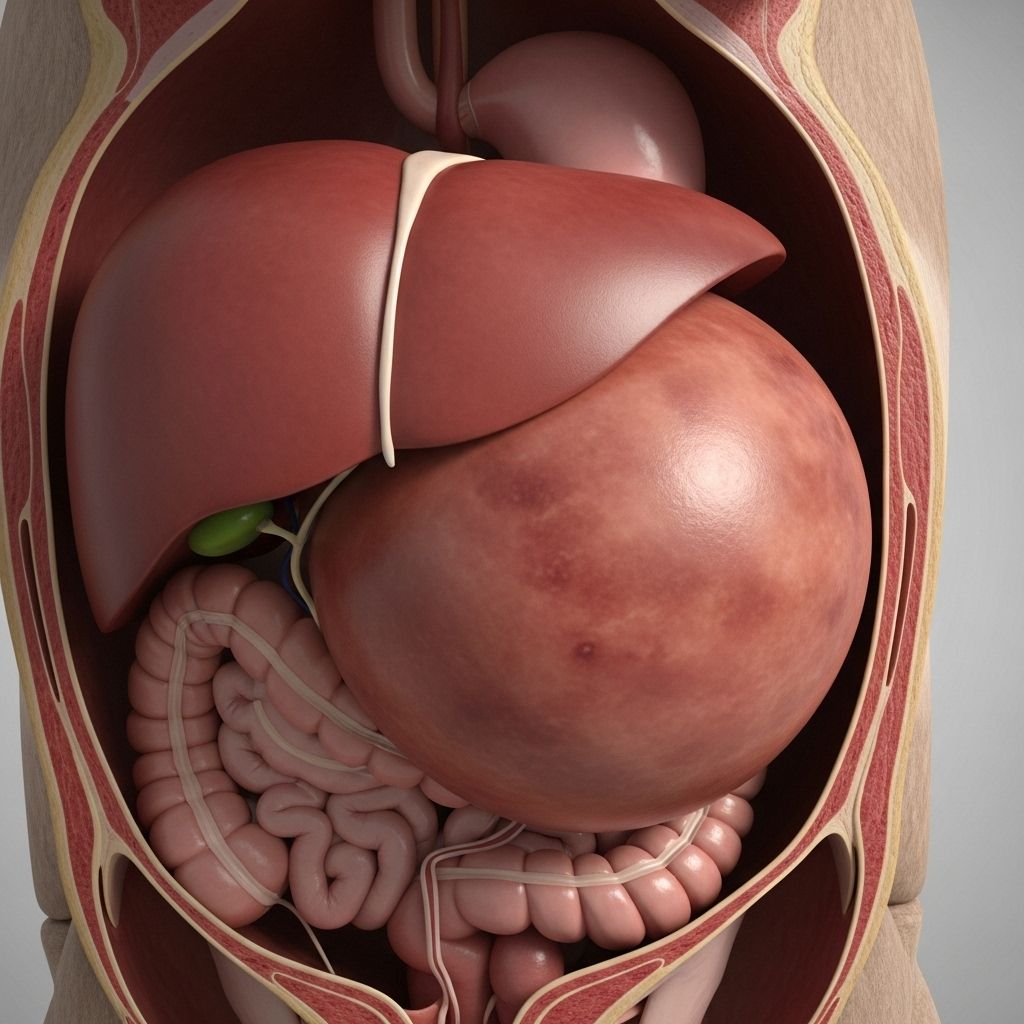
Hepatomegaly, commonly referred to as an enlarged liver, is a significant clinical finding in dogs that often points to a deeper, underlying health concern. While it is not a disease by itself, the detection of hepatomegaly can propel swift investigation into possible metabolic, infectious, neoplastic, or systemic conditions affecting your dog’s health. This comprehensive guide discusses hepatomegaly in dogs, its causes, symptoms, diagnostic process, treatment options, and long-term management strategies.
What Is Hepatomegaly?
Hepatomegaly is the medical term for an enlarged liver. The liver is a central metabolic organ, handling detoxification, protein synthesis, and storage of nutrients. Enlargement typically occurs when the tissue increases in volume due to disease, fat deposition, fluid accumulation, or tumor growth. The degree of enlargement and its rapidity may offer clues about the underlying causes.
Functions of the Liver in Dogs
The liver performs several essential bodily functions, such as:
- Metabolizing carbohydrates, fats, and proteins
- Filtering toxins and drugs from the blood
- Producing bile for digestion
- Synthesizing proteins, including those vital for blood clotting
- Storing vitamins, minerals, and energy reserves
Causes of Enlarged Liver in Dogs
Many underlying illnesses and events can lead to hepatomegaly. Some causes are acute and severe, while others develop slowly and are discovered incidentally during veterinary exams. They generally fall into the categories of metabolic disturbance, infection, inflammation, toxicity, neoplasia (cancer), heart-related conditions, and physical or anatomical abnormalities.
Common Causes
- Extra blood pooling near the liver (congestion, often from heart disease)
- Hepatitis (inflammation/infection of the liver)
- Chronic liver disease (such as cirrhosis)
- Liver neoplasia (cancer including primary and metastatic tumors)
- Heart failure (right-sided congestive heart failure leads to blood backup)
- Obstruction of blood flow through the liver
- Heartworm disease (can cause right-sided heart stress)
- Rotation/torsion of the liver lobe (rare but severe)
- Diaphragmatic hernia (protrusion of abdominal contents through the diaphragm)
- Abnormal deposition of metabolic products (such as glycogen in Cushing’s disease or copper in copper storage diseases)
- Fat accumulation (hepatic lipidosis; common with certain metabolic disorders)
- Liver abscess or cysts
- Toxicity from drugs or chemicals (e.g., phenobarbital, heavy metals, pesticides)
- Pancreatic tumors (may infiltrate or obstruct the liver)
Breed-Related and Hereditary Predispositions
- Inherited amyloidosis (notably in Chinese Shar-Pei)
- Copper accumulation (Bedlington Terriers and some other breeds)
Infectious Causes
- Bacterial (leptospirosis, Lyme disease)
- Viral (canine adenovirus, distemper, canine herpesvirus)
- Fungal (histoplasmosis, other systemic mycoses)
Other Notable Causes
- Congenital abnormalities (e.g., portosystemic shunts)
- Storage diseases (rare metabolic disorders)
Symptoms of Enlarged Liver in Dogs
Clinical signs vary based on the underlying cause. Some dogs might not display obvious symptoms, while others manifest with non-specific or severe signs. The most common symptoms linked to hepatomegaly include:
- Abdominal distention (“pot-bellied” appearance)
- Increased thirst and urination (polyuria and polydipsia)
- Excessive panting, even at rest
- Appetite and weight changes (loss or gain)
- Vomiting or diarrhea
- Lethargy, weakness, or decreased activity
- Jaundice (yellowing of the gums, eyes, or skin)
- Changes in coat condition (hair loss, especially on the sides)
- Neurological signs (disorientation, staring, head pressing, seizures—signs of hepatic encephalopathy)
- Bleeding or bruising (due to impaired blood clotting)
Incidental Findings
In some cases, hepatomegaly is detected incidentally during routine wellness exams or imaging studies, before overt clinical symptoms develop.
Diagnosing Hepatomegaly in Dogs
Diagnosis typically requires a multidisciplinary approach combining history, physical examination, laboratory testing, and imaging. Early and accurate diagnosis is essential for effective treatment.
Steps in Diagnosis
- Detailed Medical History: The veterinarian will ask about your dog’s overall health, onset and progression of any symptoms, diet, possible toxin exposure, current and past medications, and any relevant breed information.
- Physical Examination: Palpation of the abdomen may reveal an enlarged, firm, or tender liver. The vet will check for jaundice, abnormal fluid accumulation, or other systemic symptoms.
- Laboratory Testing:
- Complete blood count (CBC) – may show anemia, abnormal red blood cells (schistocytes, spherocytes, Heinz bodies), abnormal or immature white blood cells, and platelet abnormalities (thrombocytopenia or thrombocytosis)
- Serum biochemistry – often reveals increased liver enzymes (ALT, AST, ALP, GGT), elevated bilirubin, and potentially high cholesterol
- Urinalysis – may suggest liver dysfunction via changes in urine color or content
- Coagulation profile – clotting disorders are common in liver disease
- Parasitic or infectious disease testing – e.g., heartworm testing
- Imaging:
- Abdominal ultrasound – provides detailed visualization of liver size, structure, blood flow, and possible masses or cysts
- Radiographs (X-rays) – may show relative liver size or displacement of abdominal organs
- Advanced Diagnostics (if required):
- CT scan or MRI – for detailed organ study
- Liver aspirate or biopsy – to confirm diagnosis of tumors, cirrhosis, infectious diseases, or storage disorders
Treatment Options for Dogs with Enlarged Liver
Treatment and prognosis for hepatomegaly in dogs depend on the underlying cause, the extent of organ damage, and the dog’s overall health. Early intervention generally improves the likelihood of a favorable outcome.
Medical Management
- Medications: Depending on the identified cause, treatment may involve antibiotics (for bacterial infection), antifungal agents, antivirals, anti-inflammatory drugs, corticosteroids, or chelators for copper or iron accumulation.
- Supportive Care: Administration of intravenous fluids, anti-nausea medications, pain relief, and nutritional support as needed.
- Antioxidants & Supplements: Use of silymarin (milk thistle), SAMe (S-adenosylmethionine), or vitamin E to help reduce oxidative stress on liver cells (use only as advised by a veterinarian).
Dietary Therapy
- Providing a highly digestible, low-copper, moderate-protein diet (unless hepatic encephalopathy is a concern, which often requires protein restriction).
- Limiting processed foods, excessive fats, and foods high in salt.
- Supporting caloric intake during illness to prevent malnutrition. Some dogs may require prescription hepatic diets.
Surgical Management
- Surgery may be warranted for tumor removal, correction of congenital abnormalities (e.g., portosystemic shunt), draining abscesses, or repairing hernias.
- Surgical intervention depends on the dog’s anesthetic risk profile and the reversibility of the cause.
Monitoring and Long-Term Care
- Regular veterinary check-ups, bloodwork, and imaging to monitor liver size and function
- Adapting medications and dietary needs as the clinical picture evolves
- Managing symptoms of chronic liver disease, such as ascites or hepatic encephalopathy
Prognosis
The outlook for dogs with hepatomegaly is highly variable and closely tied to the root cause. Acute toxicities or infections that are swiftly managed may result in full recovery. Chronic illnesses, such as tumor invasion or genetic storage diseases, may limit quality and length of life but can often be managed for extended periods with appropriate care.
Prognosis can range from excellent to guarded or poor depending on:
- Underlying disease (benign vs. malignant)
- Stage of liver involvement (early or advanced)
- Response to initial therapy
- Presence of complications (bleeding, secondary infections, neurologic decline)
How to Help Your Dog at Home
- Administer all prescribed medications and supplements exactly as directed by your veterinarian.
- Stick to recommended dietary plans and feeding schedules.
- Monitor carefully for any changes in your dog’s energy, appetite, urination, or appearance (especially signs of jaundice, swelling, or behavioral changes).
- Report any sudden or severe symptoms to your vet immediately.
Preventing Liver Problems in Dogs
- Feed a complete and balanced diet appropriate to your dog’s age and breed.
- Keep toxic substances—including drugs, certain plants, pesticides, and cleaning chemicals—out of reach.
- Monitor your dog’s weight and general health with routine veterinary exams and bloodwork.
- Protect your dog against infectious diseases with appropriate vaccinations (e.g., for leptospirosis, canine hepatitis).
Summary
Hepatomegaly signifies underlying disease and necessitates a thorough workup by a veterinarian. Early detection, accurate diagnosis, and targeted treatment can significantly improve the outlook for affected dogs. Supportive care, proper nutrition, and regular veterinary monitoring are essential pillars of ongoing care for dogs with liver enlargement or chronic liver disease.
Frequently Asked Questions (FAQs)
What causes an enlarged liver in dogs?
An enlarged liver can result from liver inflammation (hepatitis), infections, metabolic storage diseases, heart or vascular issues, toxins, tumors, or genetic conditions. Accurate diagnosis is key for appropriate treatment.
What are the symptoms of hepatomegaly?
Common symptoms include abdominal swelling, increased thirst and urination, appetite loss, vomiting, yellow gums/skin (jaundice), behavioral changes, and lethargy. Neurological symptoms can indicate liver-related brain changes.
How is hepatomegaly diagnosed?
Diagnosis involves a thorough medical history, complete physical examination, blood and urine tests, imaging (such as ultrasound or X-ray), and sometimes liver biopsy or advanced diagnostics.
Can an enlarged liver in dogs be cured?
Some cases are reversible with prompt treatment—such as infections or toxin exposure. Chronic, congenital, or neoplastic conditions may not be curable but can often be managed to improve quality of life.
Is an enlarged liver life threatening?
It can be. Prognosis depends on the underlying cause, how rapidly it is treated, and the presence of secondary complications such as bleeding or hepatic encephalopathy.
How can I help prevent liver diseases in my dog?
Maintain a healthy diet, regular check-ups, avoid exposure to toxins, and keep up-to-date with vaccinations to help prevent infectious causes of liver disease.
Similar Articles







Read full bio of Sneha Tete