How to Safely Express Your Dog’s Anal Glands at Home: Step-by-Step Guide
Learn the proper methods, signs, and safety tips for expressing a dog's anal glands—whether at home or with professional help.
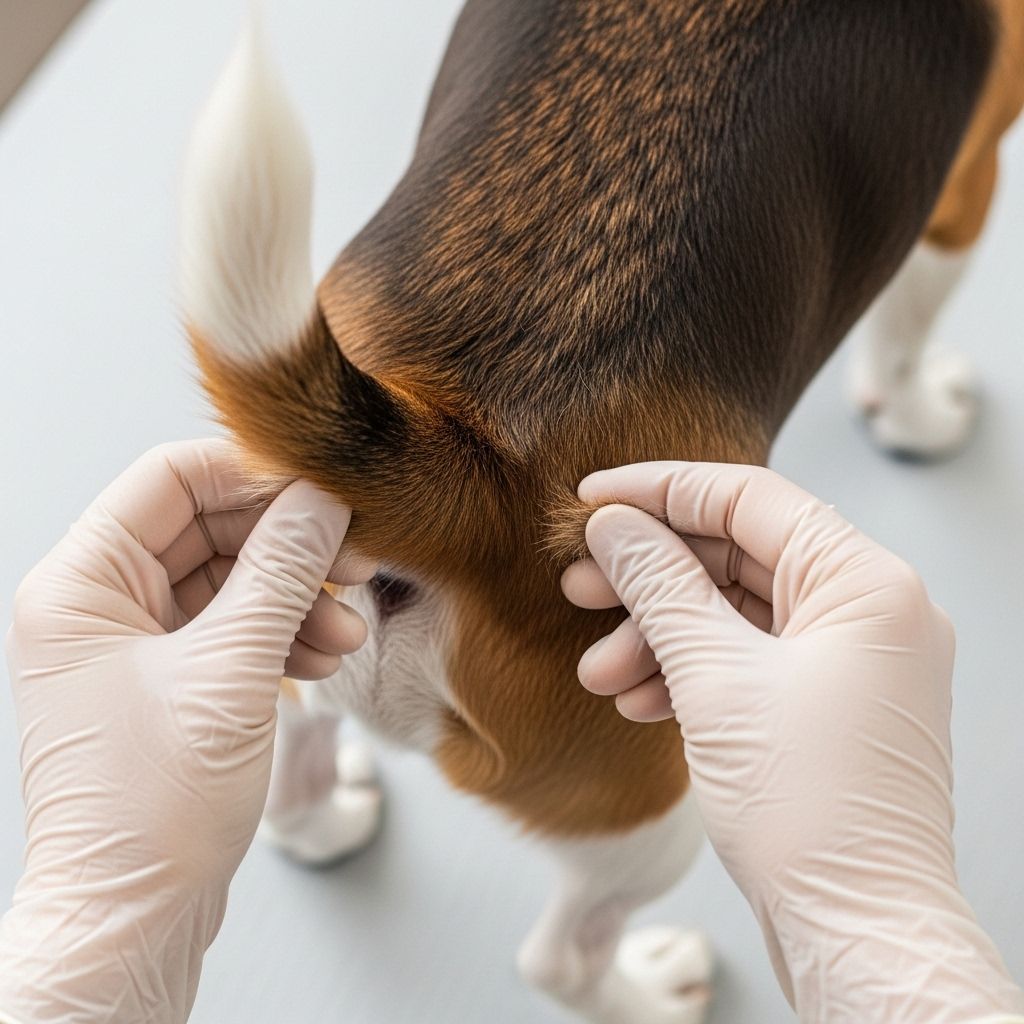
Introduction to Dog Anal Glands
Dog anal glands, also called anal sacs, are small paired glands located at approximately the 4 o’clock and 8 o’clock positions just inside your dog’s anus. These glands produce a distinct, smelly fluid that helps dogs mark territory and communicate with other animals. Under healthy circumstances, each time a dog defecates, small amounts of this fluid are naturally expelled. However, some dogs—especially small breeds or those with soft stool—may experience difficulties emptying these glands, leading to discomfort, odor, and potential infection.
Why Express Your Dog’s Anal Glands?
Most dogs naturally express their anal glands while passing firm stools. However, expression may be required when:
- Your dog scoots or drags their rear on the ground.
- You notice excessive licking or biting at their rear end.
- A strong, fishy odor comes from your dog’s backside.
- You feel or see swelling or discoloration around the anus.
- Your veterinarian recommends regular manual expression due to chronic gland issues.
Anal gland issues tend to affect smaller breeds but can happen to any dog. If left unexpressed, the glands can become impacted, infected, or even develop abscesses, which may require surgery.
Signs Your Dog’s Anal Glands Need Attention
- Frequent scooting or dragging their bottom on rough surfaces
- Persistent licking or biting near the tail or anus
- Visible swelling, redness, or discomfort around the anus
- Sudden, strong odor resembling rotting fish
- Difficulty passing stool or signs of pain while defecating
If you observe thick, chunky, or discolored discharge (yellow, green, or white), this may indicate infection and warrants immediate veterinary attention.
Should You Express Your Dog’s Anal Glands at Home?
Manual expression is not always recommended for inexperienced owners. When done incorrectly, it can cause pain, inflammation, or injury. Consult your veterinarian before attempting this at home—particularly for dogs with a history of gland issues or those showing signs of infection. Professional groomers and veterinary staff are trained to safely perform this procedure.
Preparing to Express Dog Anal Glands at Home
Before you begin, gather all necessary materials:
- Disposable gloves (latex or nitrile)
- Lubricant, such as petroleum jelly
- Paper towels or damp wipes
- A towel or washable mat for your dog
- Dog treats or toys for distraction and reward
- A helper to safely restrain your dog (highly recommended)
Step-by-Step Instructions: External Anal Gland Expression
- Choose Your Location: Select a quiet, calm, and easy-to-clean surface. For small dogs, use a raised surface (table or countertop) lined with a towel. For larger dogs, the floor with towels behind them works best.
- Restrain Your Dog: Have your helper gently but firmly hold your dog. Use a leash and collar or gentle animal restraint. For nervous dogs, offer treats or a lick mat to occupy them.
- Put On Gloves and Lubricate: Wear disposable gloves. Apply a dab of petroleum jelly or water-based lubricant to the thumb and forefinger of your dominant hand. For external technique, you do not need to insert your finger into the anus.
- Lift the Tail: With your non-dominant hand, gently lift your dog’s tail to fully expose the anus. Place a paper towel in the palm of your dominant hand to catch any expelled fluid.
- Locate the Glands: Place your thumb and forefinger around the anus—about one inch away—at the 4 o’clock and 8 o’clock positions below the midline.
- Apply Gentle Pressure: Gently—but firmly—pinch your thumb and forefinger together, pressing upward and inward toward the anus. You may feel slight firmness or swelling if the glands are full.
- Express the Gland: Gradually increase pressure until a brownish, foul-smelling fluid is released onto your paper towel.
- Repeat on Both Sides: Express both glands to ensure complete emptying.
- Clean Up: Wipe your dog’s rear area with disposable wipes or a warm, damp cloth. For long-haired dogs, make sure to clean fluid from the coat.
- Dispose Materials: Throw away gloves, paper towels, and wipes in a trash bag. Launder towels and mats as needed.
- Wash Hands Thoroughly: Even after using gloves, wash with soap and water to avoid the spread of bacteria.
- Reward Your Dog: Praise, treats, or play help your dog associate the procedure with positive experiences.
Step-by-Step Instructions: Internal Anal Gland Expression (Veterinary Use Only)
Internal expression is almost always performed by veterinary professionals. It involves gentle insertion of a lubricated index finger into the anus, palpating each gland (situated deep to the anal opening), and ‘milking’ each between the internal finger and external thumb. Both glands are emptied simultaneously if possible, minimizing trauma to the sensitive anal area.
This technique should not be attempted at home unless explicitly trained and advised by a veterinarian.
Aftercare Tips Following Anal Gland Expression
- Monitor your dog for signs of relief, discomfort, or further scooting.
- Check for redness or irritation: If present, use gentle pet-safe wipes or consult your veterinarian for topical remedies.
- Observe stool quality: Firmer stools naturally help keep glands empty. Consult your veterinarian about dietary adjustments (fiber, probiotics) if your dog has frequent soft stools.
- Routine cleaning: Bathe your dog or clean the area as needed to eliminate lingering odor or stains, especially with long-haired breeds.
Safety Precautions and Risk Factors
- Always use gloves and perform the procedure on a non-slip surface.
- Have a helper present to restrain your dog and prevent injury.
- Do not squeeze too hard: Excessive force may rupture the glands or lead to trauma.
- Look for abnormal discharge: Thick, yellow, green, or white fluid indicates infection—contact your veterinarian immediately.
- Use a muzzle for dogs prone to biting or distress during handling.
- Consult with your vet before attempting at home if your dog is elderly, has chronic gland issues, or is overweight.
When to See a Veterinarian
- Your dog displays continued signs of discomfort or pain after expression.
- Discharge is thick, discolored, or contains blood or pus.
- There’s swelling, redness, or evidence of an abscess.
- Your dog develops fever, lethargy, or behavioral changes.
- You feel a solid mass or lump near the anal gland area.
- You are not confident or comfortable with performing home expression.
Veterinary intervention may include flushing, antibiotics, anti-inflammatory medications, or surgical intervention for severe cases.
Preventing Anal Gland Problems in Dogs
- Feed a balanced diet: Adequate fiber encourages firm stool formation and natural gland expression. Consult your vet about adding plain pumpkin or fiber supplements if your dog frequently passes soft stools.
- Encourage regular exercise: Physical activity stimulates bowel movements and overall gastrointestinal health.
- Regular grooming: Professional groomers can assess and express anal glands during routine visits.
- Monitor stool quality: Chronically loose stools may signal dietary or health issues.
- Routine wellness checks: Discuss ongoing anal gland issues during veterinary visits.
Possible Complications from Improper Anal Gland Expression
- Pain or trauma: Excessive pressure or incorrect hand position can injure sensitive tissues.
- Infection: Incomplete expression or puncturing the gland may introduce bacteria.
- Abscess formation: Untreated infections can lead to swollen, painful abscesses requiring surgical drainage.
- Bleeding: Overly forceful squeezing or scraping can cause bleeding.
If you suspect any of these complications, contact your vet immediately.
Frequently Asked Questions (FAQs) About Dog Anal Gland Expression
Q: How often should I express my dog’s anal glands?
For most healthy dogs, routine manual expression is not necessary. Dogs with chronic issues may require expression every 3–4 weeks, or as recommended by your veterinarian.
Q: Can I use supplements to reduce anal gland issues?
Certain fiber supplements or probiotics can help produce firmer stools, assisting in natural gland expression. Always consult your veterinarian for safe recommendations specific to your dog.
Q: Will expressing my dog’s anal glands hurt?
When performed gently and correctly, most dogs tolerate the procedure with minor discomfort. However, pain may occur if the glands are infected or impacted—seek veterinary advice in these cases.
Q: Is it normal for my dog’s anal glands to smell bad?
Anal gland fluid has a strong, fishy odor and is normal when expressed. Extremely foul or unusual odors may indicate infection and should be assessed by a veterinarian.
Q: Can I express my cat’s anal glands in the same way?
Cats also have anal glands but usually do not require manual expression unless recommended by a veterinarian, as the anatomy and risks are different.
Table: Summary of Dog Anal Gland Expression Methods
| Method | Performed By | Technique | Risks | When to Use |
|---|---|---|---|---|
| External Expression | Owner/Veterinarian | Finger and thumb pressure on glands | Skin irritation, incomplete emptying | Mild fullness/discomfort, no signs of infection |
| Internal Expression | Veterinarian/Groomer | Gloved index finger inserted; pinch with thumb | Pain, tissue trauma, infection | Chronic impaction, difficult-to-express glands |
Conclusion: Safe, Effective Anal Gland Care for Your Dog
While anal gland expression is not required for all dogs, recognizing signs, knowing proper techniques, and seeking veterinary help are key to maintaining your dog’s comfort and health. Always use gentle, hygienic methods—and do not hesitate to ask for professional guidance should you need it.
Similar Articles




Read full bio of Sneha Tete