How to Get Rid of Fleas on Kittens: Safe Steps and Expert Advice
Learn safe, effective, and vet-recommended methods to eliminate fleas from kittens and protect their health in your home.
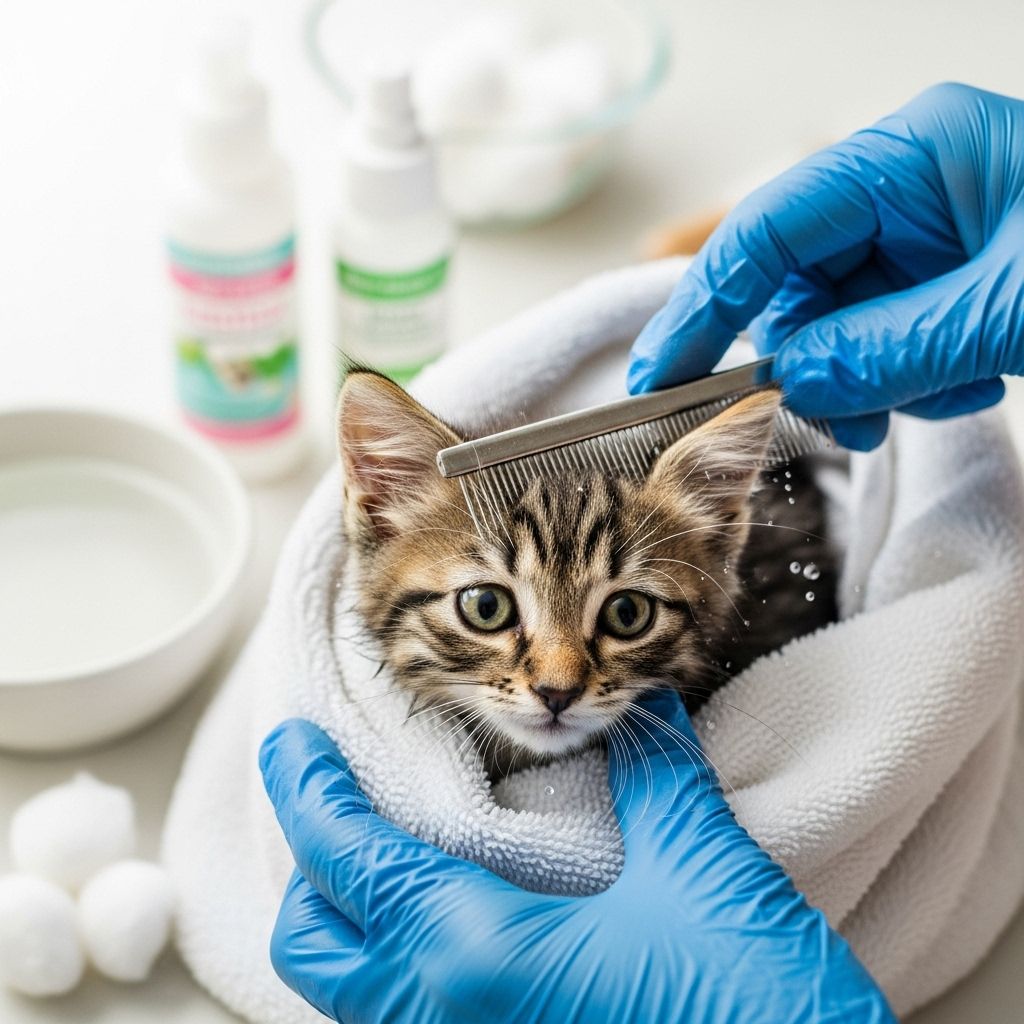
How to Get Rid of Fleas on Kittens
Fleas are an uncomfortable and potentially dangerous problem for kittens, leading to itching, skin irritation, and serious health complications such as anemia. Effective flea removal and prevention requires both immediate and long-term approaches tailored to the unique needs of young cats. This article provides safe, veterinarian-recommended methods to remove fleas from kittens and strategies to prevent future infestations.
Why Fleas Are Dangerous for Kittens
Kittens are sensitive and can become intensely sick from flea infestations, suffering from itching, skin reactions, and in severe cases, blood loss or anemia. Moreover, inappropriate flea treatments may cause toxicity and worsen their condition, making it essential to use age-appropriate, gentle remedies and consult a veterinarian before treating sick or very young kittens.
- Rapid infestation: One female flea can lay up to 50 eggs per day, causing infestations to escalate quickly.
- Anemia risk: Blood loss can severely affect small kittens, leading to weakness or death if untreated.
- Allergic reactions: Some kittens may develop allergic responses after just a few bites, resulting in severe itching and discomfort.
How Fleas Get Onto Kittens
Fleas are highly adept at finding new hosts, regardless of whether your kitten lives strictly indoors. The presence of other pets, wildlife nearby, or even transient fleas on clothing can lead to infestations. Indoor cats—especially young kittens—must be given the same attention for flea control as outdoor pets.
- Fleas may jump onto kittens from contact with infested pets or wild animals.
- Kittens can pick up fleas from the environment, such as carpets, furniture, or bedding where fleas or eggs are present.
- Fleas can be introduced by humans carrying them on clothing or shoes.
Recognizing Flea Symptoms on Kittens
| Symptom | Description |
|---|---|
| Itching and Scratching | Kittens frequently scratch, bite, or lick their skin and fur. |
| Flea Dirt | Small black or brown flecks (flea feces) seen on the skin or bedding. |
| Visible Fleas | Live fleas may be observed, appearing as tiny, fast-moving brown insects in fur. |
| Hair Loss | Patches of baldness due to excessive grooming or scratching. |
| Anemia Signs | Weakness, pale gums, and overall lethargy, especially in severe cases. |
If you suspect your kitten has fleas, prompt action with safe techniques is essential—harsh chemicals and some home remedies can be toxic to kittens.
Safe Ways to Remove Fleas from Kittens
1. Give Your Kitten a Bath
Bathing a kitten is one of the quickest non-chemical methods for removing adult fleas. For very young kittens (less than 12 weeks old), avoid conventional flea shampoos and use only warm water, as most shampoos contain ingredients unsuitable for young cats. For older kittens, a gentle cat flea shampoo may be considered under veterinary advice.
- Trim your kitten’s nails with cat clippers first to prevent accidental scratches if scared.
- Prepare a warm towel to quickly dry and keep your kitten warm after the bath, minimizing the risk of hypothermia.
- Gradually acclimate your kitten to water: let them play near a bowl of water, gently dip their paws, and use treats for positive reinforcement.
- Use a small tub, and if needed, a gentle ring of baby shampoo or mild dish soap (e.g., Dawn) around the neck to prevent fleas from migrating to the kitten’s face. Avoid getting shampoo or soap in the eyes, nose, or mouth.
- Do not spray water directly; instead, rinse gently with a cup or small container to avoid frightening the kitten.
- Dry the kitten thoroughly with a towel or use a dryer on a warm (not hot) setting. Always keep fingers in the airflow to prevent burns, and never leave kittens unattended with drying appliances.
2. Flea Combing
Flea combs are a safe mechanical method for removing fleas, especially for kittens too young for chemical treatments.
- Use a fine-toothed flea comb to carefully comb through the fur.
- Dip the comb in soapy water after each pass to kill trapped fleas.
- Pay extra attention to the neck, belly, and base of the tail, where fleas are most concentrated.
3. Avoid Dangerous Products and Ingredients
- Permethrin: Never use flea products containing permethrin on kittens—these are toxic to cats, especially young ones.
- Essential oils: Do not use essential oils on kittens for flea removal or prevention; many can cause severe health issues.
- Dog flea products: Avoid using flea treatments designed for dogs on kittens; even a small amount may be fatal.
Prescription Flea Treatments for Kittens
Many safe flea treatments are available for older kittens, but always consult with a veterinarian before administering any chemical flea medication. The safety and dosage of these medicines depend on the kitten’s age and weight. Never treat sick kittens for fleas before seeking vet advice.
- Topical treatments for kittens (available for ages over 8-12 weeks)
- Oral medications with specific dosing for young cats (vet-prescribed only)
- Flea collars should be avoided unless specifically formulated for kittens and vet-approved
Discuss options like spinosad, nitenpyram, or vet-recommended spot-on treatments appropriate for kittens. The veterinarian will guide on product selection, as improper use can trigger side effects or toxicity.
Treating Your Home and Other Pets
Removing fleas from the kitten is only part of the solution—flea eggs and larvae may remain in carpets, bedding, and furniture, causing reinfestation. A thorough environmental approach is necessary.
- Wash bedding, toys, and blankets in hot water.
- Vacuum carpets and furniture regularly to remove eggs and larvae. Dispose of vacuum bags outside immediately.
- Treat all pets in the household—not just the kitten—with age-appropriate flea prevention.
- In cases of heavy infestation, consider professional pest control or safe insecticides (consult your vet).
How to Prevent Future Flea Infestations
- Use veterinarian-recommended, kitten-safe flea preventive medications year-round, regardless of indoor/outdoor status.
- Regularly groom and inspect pets for signs of fleas—look for black flea dirt or excessive scratching.
- Minimize wildlife interaction with pets and avoid bringing potentially infested items indoors.
- Consult your vet on setting up an effective long-term flea prevention plan for all animals in your home.
What Fleas Look Like and How to Detect Them
Fleas are small, wingless, flat insects measuring about 2–3 mm in length. They appear brownish or reddish and are exceptionally fast-moving. You may see them as tiny specks darting through your kitten’s fur or notice black flecks (flea dirt) on the skin or bedding, which is flea waste and a sign of infestation.
- Beyond adult fleas, the presence of flea eggs and larvae may be harder to observe, requiring careful inspection of bedding and carpets.
- Even if you spot only a few adult fleas, treatment is still necessary due to their rapid reproduction rate.
- Symptoms such as scratching, excessive grooming, and hair loss are typically more visible than the fleas themselves.
Choosing Safe Flea Treatments for Kittens
When selecting a flea treatment:
- Choose medications formulated for cats and kittens specifically, and ensure dosing based on weight and age.
- Check ingredient lists—avoid products with permethrin, pyrethrins, organophosphates, and essential oils.
- Seek veterinarian guidance for prescription treatments and never self-medicate with over-the-counter products meant for dogs or older cats.
- Use natural or mechanical measures (baths, flea combing) for very young kittens until professional treatments are suitable.
Natural Remedies and Alternatives
Natural remedies such as gentle water baths and flea combing are appropriate for kittens under 8 weeks or those too small for chemical controls. However, not all so-called ‘natural’ treatments are safe—avoid essential oils and herbal concoctions lacking vet approval. For elder kittens, consult about suitable natural options such as non-toxic diatomaceous earth applied sparingly to pet bedding (never directly to kittens).
Year-Round Flea Control: Why It Matters
- Fleas can survive indoors during winter, so year-round prevention is essential—not just in warm months.
- Skipping seasonal treatment can leave kittens susceptible to sudden infestations as soon as environmental conditions change.
- Vets recommend continual monitoring and preventive care, as fleas transmit other parasites like tapeworms that endanger pet and human health.
Frequently Asked Questions (FAQs)
Q: Can I use dog flea shampoo or medication on kittens?
No. Never use products formulated for dogs on kittens. Many contain ingredients (like permethrin) that are toxic and sometimes fatal to cats.
Q: What do I do if my kitten is sick and has fleas?
Do not attempt home treatment—seek urgent veterinary care. Sick or very young kittens are especially vulnerable to toxicity and serious complications from flea infestations.
Q: Are essential oils safe flea remedies for kittens?
No. Essential oils, such as tea tree oil, can cause severe poisoning and organ failure in kittens. Avoid these completely.
Q: How often should I treat my kitten for fleas?
Follow veterinary guidance—do not exceed recommended intervals between treatments. Overuse of chemical products can cause health risks, while too little may be ineffective.
Q: Can my indoor kitten get fleas?
Yes. Fleas can enter homes on people, other pets, or wildlife. Year-round, preventive flea care is vital for all cats, regardless of indoor or outdoor status.
Q: What should I do to treat my home after a flea infestation?
Clean bedding, vacuum floors, launder all soft items, and treat all pets. Consider professional pest control for severe infestations—but always use pet-safe products and consult your veterinarian.
Summary of Safe Flea Removal and Prevention in Kittens
- Use gentle water baths and flea combing for young kittens.
- Avoid permethrin, dog products, and essential oils.
- Seek veterinary advice for safe prescription flea treatments for older kittens.
- Adopt year-round flea prevention for all pets, regularly cleaning home environments.
- Monitor kittens for signs of fleas, anemia, or allergic reactions for early intervention.
Ensuring your kitten’s comfort and safety during flea treatment requires knowledge, vigilance, and veterinary partnership. By choosing gentle, targeted interventions and taking preventative action, you can keep your kitten healthy, happy, and flea-free.
Similar Articles






Read full bio of Sneha Tete