Heartworm Disease in Dogs: Symptoms, Causes, and Treatment
Discover essential facts about heartworm disease in dogs, including causes, symptoms, prevention, and modern treatment options.
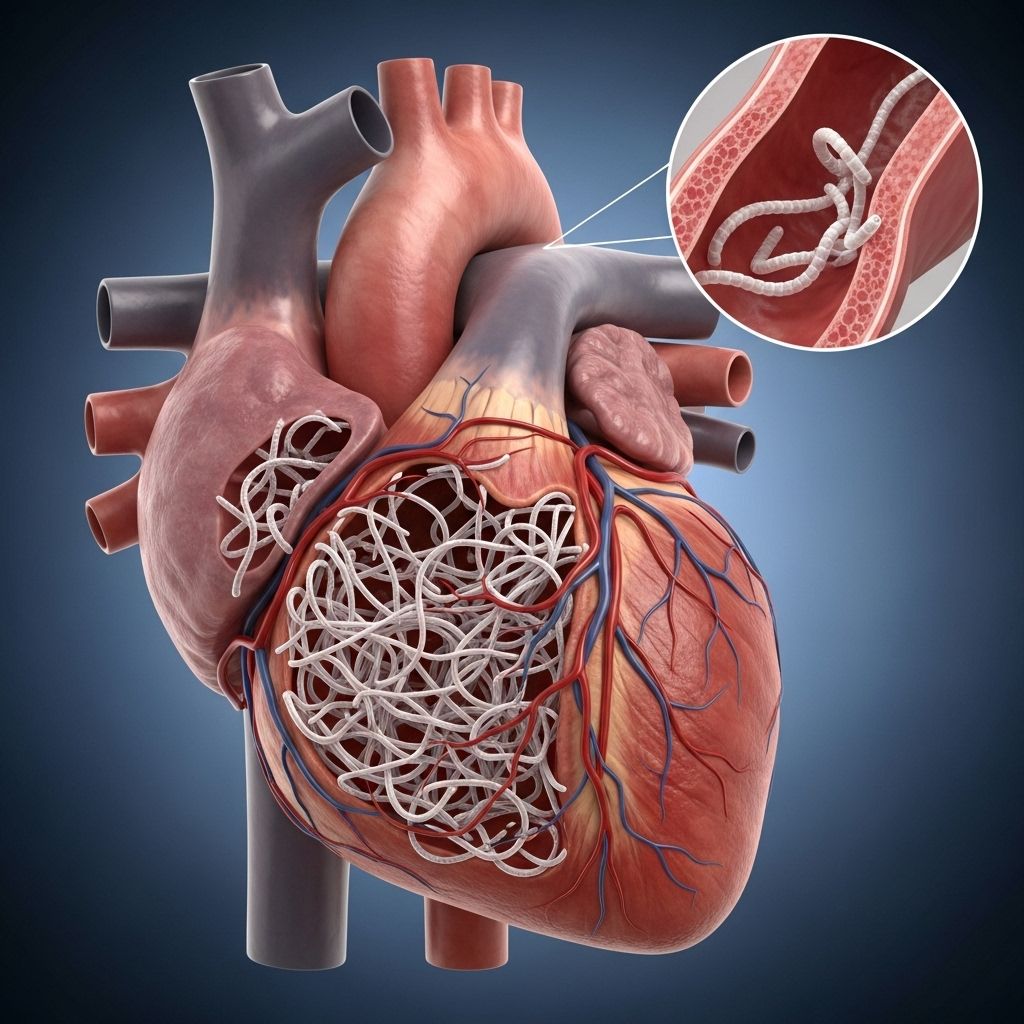
Heartworm disease is a severe, potentially fatal condition that affects dogs worldwide. This parasitic infection, caused by Dirofilaria immitis, involves worms living in the heart, lungs, and associated vessels, causing lasting damage to organs and considerable health complications. Early detection, preventive measures, and modern veterinary treatments have made the disease more manageable, but heartworm remains a critical health concern for dog owners.
What Is Heartworm Disease?
Heartworm disease is an infectious illness in dogs resulting from parasitic roundworms called heartworms. These worms lodge in a dog’s heart, lungs, and major blood vessels, producing a variety of cardiovascular and respiratory symptoms while gradually causing life-threatening damage.
How Does Heartworm Disease Develop?
Heartworms are transmitted through mosquito bites. When a mosquito bites an infected animal, it ingests microscopic larvae called microfilariae. These larvae develop inside the mosquito and are transmitted when the mosquito bites another dog. After entering a new host, the larvae move through the bloodstream to the heart and lungs, where they mature into adult worms. The lifecycle stages include:
- Larval Stage (Microfilariae): The tiny worms are present in the blood of infected animals.
- Transmission: Mosquitoes pick up microfilariae and infect new hosts.
- Development: Larvae mature into adult worms over six months after entering a dog’s blood supply.
- Adulthood: Adult worms can grow up to 12 inches long and reside in the right side of the heart and nearby vessels.
Signs and Symptoms of Heartworm Disease
The clinical signs of heartworm disease can range from mild to severe, with many dogs exhibiting no symptoms initially. As the disease progresses, common symptoms may appear, including:
- Persistent cough
- Exercise intolerance or reluctance to engage in physical activity
- Difficulty breathing
- Fatigue after moderate activity
- Decreased appetite and weight loss
- Swollen abdomen from fluid accumulation in severe cases
- Collapse or sudden death in advanced disease
Mild infections may be asymptomatic, while severe cases, especially with heavy worm burden, can lead to life-threatening cardiovascular failure or caval syndrome.
Causes and Risk Factors
The primary cause of heartworm disease in dogs is infection by the Dirofilaria immitis parasite, which is spread exclusively by mosquitoes. All dogs are at potential risk, but certain factors increase susceptibility:
- Living in regions where mosquitoes are prevalent
- Spending lots of time outdoors
- Lack of regular heartworm preventive medication
- Traveling to or living in endemic regions
Heartworm disease is found in all 50 U.S. states, though it is especially common in warm, humid climates and near bodies of water where mosquitoes thrive.
How Heartworm Is Transmitted
Transmission occurs when a mosquito, after biting an infected animal, transfers heartworm larvae into the bloodstream of an uninfected dog. The process follows these stages:
- Microfilariae circulate in an infected dog’s blood.
- A mosquito bites and ingests these microfilariae.
- Inside the mosquito, the larvae undergo development, becoming infective in about 10–14 days.
- When the mosquito bites another dog, it deposits the infective larvae under the skin.
- Larvae migrate and mature over several months, ultimately becoming adult heartworms.
Diagnosis: How Is Heartworm Disease Detected?
Diagnosing heartworm disease involves a combination of clinical assessment and laboratory testing:
- Antigen Test: Detects proteins from adult female heartworms in a dog’s blood, usually becoming positive about six months after infection.
- Microfilariae Test: Examines a blood sample for the presence of young heartworms.
- Imaging: Chest X-rays and ultrasound may be used to assess organ damage and worm burden.
Positive antigen test results are typically confirmed using a second method before starting treatment, as the medications and protocol involved are complex and costly.
Stages of Heartworm Infection
| Stage | Description | Typical Symptoms |
|---|---|---|
| Early/Stage 1 | Few or no worms; minimal or no symptoms | May be asymptomatic; mild coughing |
| Moderate/Stage 2 | Greater worm burden; moderate damage | Occasional coughing; reduced exercise tolerance |
| Severe/Stage 3 | Significant heart/lung damage | Persistent cough; labored breathing; weight loss |
| Very Severe/Stage 4 (Caval Syndrome) | Large mass of worms obstructing blood flow | Sudden collapse; dark urine; requires immediate surgery |
Treatment of Heartworm Disease in Dogs
Treating heartworm disease is complex and must be overseen by a veterinarian due to the risk of complications. The main goals are to eliminate heartworms while minimizing damage from dying worms and preventing further infection. The protocol generally follows these steps:
1. Stabilization of the Dog
If a dog is showing clinical signs such as difficulty breathing, coughing, or weakness, the vet may recommend stabilizing with medications (such as steroids and sometimes antibiotics) before beginning heartworm-specific treatment.
2. Restriction of Activity
All dogs undergoing heartworm treatment must have their exercise strictly limited. Activity can increase the risk of heartworms or fragments dislodging, causing potentially fatal complications such as blockages or clots elsewhere in the body.
3. Medication Protocol
The American Heartworm Society’s recommended treatment protocol involves a multi-step approach:
- Steroids: To decrease inflammation caused by dying worms.
- Antibiotics (Doxycycline): Used for several weeks to target Wolbachia bacteria within the worms, making heartworms more vulnerable and reducing inflammatory complications.
- Heartworm Preventatives: Given to eliminate microfilariae and prevent new infections.
Melarsomine, an arsenic-based compound, is administered via a series of deep muscle injections to specifically kill adult heartworms. The standard protocol often involves three injections over two months.
- First injection at 60 days after diagnosis.
- Second and third injections at days 90 and 91, respectively.
Melarsomine injections can be painful, so veterinarians frequently prescribe pain medication to be administered at home following each injection.
4. Monitoring and Follow-Up
Approximately nine months following the completion of the heartworm treatment protocol, the veterinarian will perform a repeat antigen test to ensure the disease has been eliminated. It is essential that dogs remain on year-round heartworm prevention after treatment to avoid reinfection.
Possible Complications of Treatment
Treatment of heartworm disease is not without risks. As adult heartworms die, their fragments can block blood vessels in the lungs, causing potentially severe reactions. Common complications include:
- Thromboembolism (clot causing blockage)
- Severe pulmonary inflammation
- Anaphylactic reactions (rare, more common with high microfilariae counts)
To mitigate these risks, adherence to strict exercise restriction and careful monitoring during the treatment process is mandatory.
Surgical Treatment for Severe Heartworm Disease
In extreme cases, particularly when a dog is suffering from caval syndrome — a life-threatening blockage by large numbers of worms — emergency surgery is required to physically remove adult worms from the heart and nearby vessels. Even with surgical removal, some worms may remain, so additional medications are necessary post-surgery. Rapid intervention is critical because untreated caval syndrome is almost always fatal.
Prevention of Heartworm Disease
Prevention is far more effective, safer, and less expensive than treatment. Practically every case of canine heartworm is considered preventable with modern veterinary products. Key prevention strategies include:
- Monthly Heartworm Preventives: Oral and topical pharmaceuticals, including ivermectin, milbemycin oxime, selamectin, or moxidectin. Each targets early larval stages before they can mature into adult worms.
- Annual Testing: Dogs should have a yearly blood test for early detection, even if consistently on prevention.
- Mosquito Control: Limit exposure to mosquitoes with screens, avoidance of mosquito-infested areas, and use of repellent products (where safe).
Puppies should begin heartworm prevention as early as possible, generally starting by 8 weeks of age per veterinary advice. Year-round prevention is strongly recommended, even in areas with seasonal mosquito activity, because some regions have milder winters or mosquitoes active indoors. Prevention medications are prescription-only, so regular veterinary visits are essential.
Prognosis: What Are the Outcomes for Treated Dogs?
Prognosis depends on several factors:
- Early detection and treatment result in excellent recovery rates.
- Advanced disease with severe organ damage or caval syndrome carries greater risks, and some aftereffects (such as lasting heart or lung impairment) can persist.
- Reinfection prevention and compliance with the veterinarian’s recommendations are key to long-term health.
Frequently Asked Questions (FAQs)
Q: Can people catch heartworm from dogs?
A: No, heartworm disease cannot be spread from dogs to people. The life cycle relies on mosquito transmission—and humans are considered a dead-end host, since heartworms don’t mature and reproduce in human bodies.
Q: How often should my dog be tested for heartworms?
A: Dogs should be tested for heartworm disease annually, even if they are on preventive medication year-round. Delayed or missed doses can allow for infection and are sometimes missed by owners.
Q: Can indoor dogs get heartworms?
A: Yes. Even primarily indoor dogs are at risk because mosquitoes can enter homes. All dogs should be on a monthly preventive to eliminate the risk.
Q: Is heartworm prevention safe?
A: Heartworm preventives available by veterinary prescription are considered highly safe and effective for most dogs. Your veterinarian will recommend the best option based on your dog’s age, breed, health history, and lifestyle.
Q: What should I do if my dog tests positive for heartworms?
A: Always follow your veterinarian’s instructions carefully. Activity restriction, adherence to medications, and follow-up visits are essential for treatment success. Early and ongoing veterinary care gives the best outcome.
Key Takeaways
- Heartworm disease is a serious, potentially fatal condition caused by parasites transmitted by mosquitoes.
- Early symptoms may be mild or absent; untreated heartworm can cause severe organ damage.
- Diagnosis relies on blood tests, with imaging sometimes used for staging.
- Treatment involves a multi-step veterinary protocol, often over several months.
- Strict activity restriction during treatment helps prevent complications.
- Prevention with monthly medication and annual vet check-ups is the best way to protect your dog.
Similar Articles








Read full bio of Sneha Tete