How Long Do Fleas Live Without a Host?
Understanding Flea Lifespan, Survival Tactics, and Complete Control in Your Home Environment.
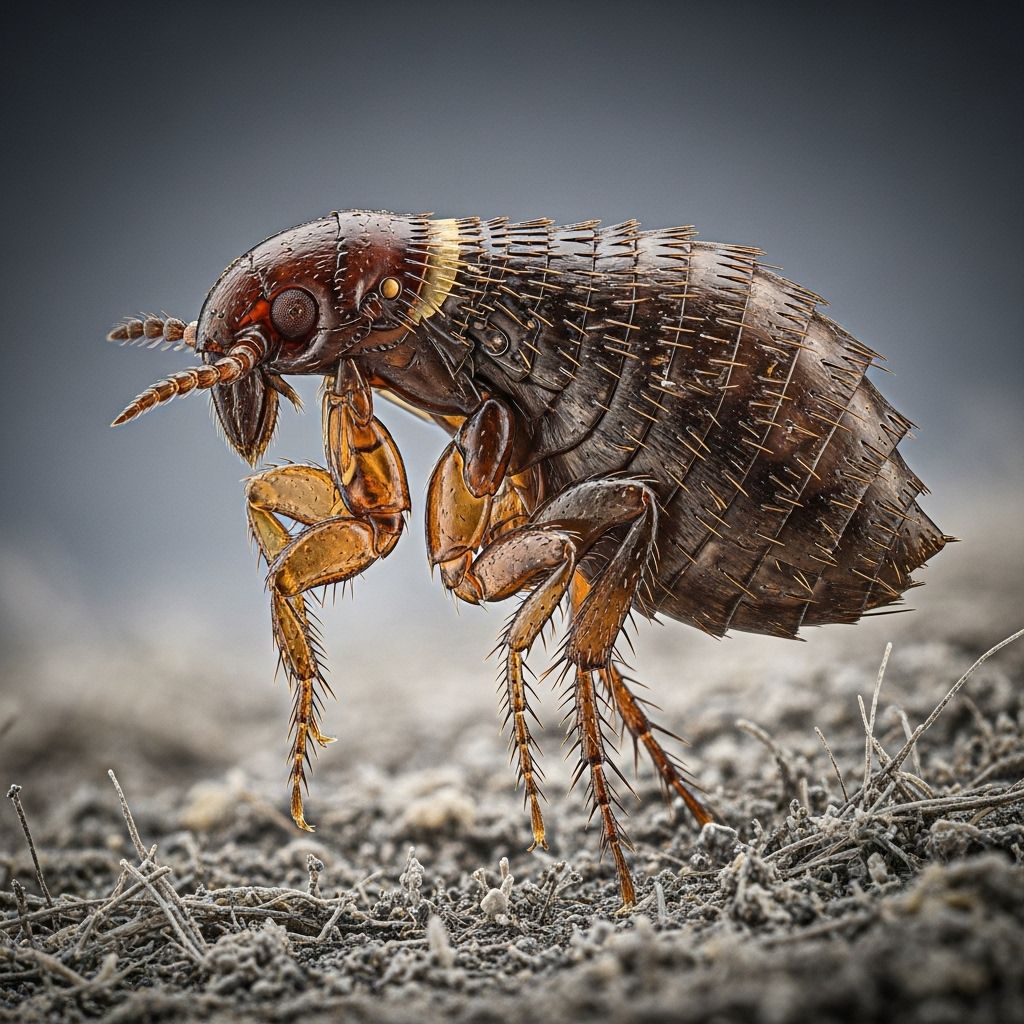
Fleas are notorious for their persistence, resilience, and ability to infest both pets and homes, causing discomfort and distress for animals and humans alike. One common concern among pet owners and homeowners is understanding how long fleas can survive when pets or hosts are removed from their environment. This article delves deep into the flea’s life expectancy without a host, survival mechanisms, the flea life cycle, and practical methods for tackling flea infestations effectively.
What Are Fleas?
Fleas are small, wingless, external parasites that feed on the blood of mammals and birds. While they can bite humans, they are most closely associated with pets such as dogs and cats. More than just an irritant, fleas can transmit diseases, cause allergic reactions, and be a significant source of ongoing infestation in homes.
Flea Life Cycle: Four Stages of Survival
To understand how long fleas live without a host, it’s essential to recognize their complex life cycle, which consists of four distinct stages:
- Egg
- Larva
- Pupa
- Adult
Eggs
A female flea can lay 15 to 50 eggs per day, dropping them onto the animal’s fur and subsequently into the surrounding environment, such as carpets, bedding, and cracks in floors. Under typical conditions, flea eggs hatch within two days to two weeks, depending on temperature and humidity.
Larvae
Eggs hatch, releasing larvae that resemble tiny, clear maggots. Larvae avoid light and feed on organic material, such as “flea dirt” (adult flea feces), skin flakes, or other organic matter they find deep within carpeting, bedding, or hidden floor crevices. The larval stage lasts from one week to several months, depending on environmental conditions and food availability .
Pupae
When mature, larvae spin cocoons and enter the pupal stage. Pupae are extremely resilient, thanks to their silken cocoons, and can remain dormant for weeks or even months, waiting for the right environmental triggers—vibration, heat, or increased carbon dioxide levels from potential hosts—to emerge as adults. In cooler or less favorable conditions, pupae can remain viable for months, making flea control particularly challenging .
Adult Fleas
Adult fleas emerge from their cocoons when they sense a host nearby. Once emerged, a flea’s primary focus is to find a blood meal, as feeding is essential for reproduction. On a host, adult fleas can live for several weeks to up to three months, but their longevity decreases significantly when no host is available .
The survival time of fleas without a host depends on multiple factors, including the flea’s lifecycle stage and environment. Here’s a detailed breakdown:
| Life Stage | Lifespan Without Host | Key Environmental Factors |
|---|---|---|
| Egg | 2 days – 2 weeks | Humidity, warmth, nest location |
| Larva | 1 week – several months | Food sources, darkness, humidity |
| Pupa (Cocoon) | Several weeks – months (dormant) | Trigger needed for emergence (heat, CO2, vibration) |
| Adult | Average 4–14 days (can reach 2–3 weeks under ideal conditions) | Temperature, humidity, presence of host |
Key Insights on Adult Flea Survival
- Adult fleas require blood meals to survive and reproduce. Without feeding, most die within 4–14 days, though in favorable (warm, humid) environments, some may survive up to a month or more .
- In the absence of any host, adult fleas cannot lay eggs, eventually halting the infestation cycle if all larvae and pupae are eradicated.
- Encysted (pupal) fleas are most resilient. In this dormant stage, they can remain viable for up to several months, waiting for a host’s return .
How Long Will Fleas Live in a House Without Pets?
In the absence of pets, fleas will seek alternative hosts, such as humans. However, without a regular source of blood, adult fleas may only survive a few days to a few weeks. Larvae and pupae can survive in the environment for months, making it possible for infestation to persist long after animals have been removed from the household .
Fleas may eventually die off in an empty house, but this process can take anywhere from a month to several months depending on environmental conditions and the presence of dormant pupae .
Why Are Fleas So Hard to Get Rid Of?
- Fleas adapt well to home environments, hiding in carpets, pet bedding, cracks, and under furniture.
- Dormant pupae can go undetected and hatch when stimulated by activity or the return of hosts, restarting the infestation cycle .
- Flea larvae and eggs are resistant to many over-the-counter treatments, especially those that target adult fleas only.
- Female fleas can lay dozens of eggs daily once they feed, multiplying their population rapidly if not addressed comprehensively .
Flea Survival Tactics and Environmental Adaptation
Fleas have developed remarkable survival skills to withstand adverse conditions:
- Pupal Dormancy: In unfavorable conditions, fleas in the pupal stage can remain inactive and protected inside their cocoons, emerging only when conditions improve and a host is detected.
- Host Adaptability: While preferring pets, fleas can switch to biting humans if necessary, though they cannot thrive or reproduce as effectively on humans alone .
- Rapid Reproduction: Access to a single meal allows a female to lay eggs for several days, perpetuating infestation cycles .
- Response to Environmental Cues: Vibration, warmth, and increased levels of CO2 from breathing creatures can trigger the emergence of dormant fleas .
Effective Flea Control: More Than Just Treating Pets
Treating only the pets is not enough. For lasting control of flea infestations, a comprehensive multi-pronged approach is necessary. Here are key steps:
- Treat All Pets: Use veterinarian-approved flea preventatives and treatments consistently for all animals in the home.
- Vacuum Regularly: Carpets, pet bedding, furniture, and even floor cracks should be thoroughly vacuumed to remove fleas, eggs, and larvae. Dispose of vacuum contents carefully.
- Launder Soft Furnishings: Wash bedding, clothing, and cushion covers at high temperatures (at least 60°C or 140°F) to ensure all life stages are eliminated .
- Use Household Insecticides: Apply sprays or powders targeting both adult fleas and immature stages. Choose those that offer residual action to prevent reinfestation. Focus on carpets, floor edges, underneath furniture, and pet resting areas .
- Let in Sunlight: Flea larvae are sensitive to light and cannot survive direct sunlight. Open windows and curtains when possible to allow sunlight to reach infested areas .
- Routine Steam Cleaning: Steamers can kill fleas at all life stages and help dislodge cocoons from fibers.
Frequently Asked Questions (FAQs) About Fleas and Host Absence
Q: Can fleas live on humans if there are no pets around?
A: Fleas can bite humans and may stay on them temporarily, but humans do not provide an ideal living or breeding environment. Fleas rarely complete their life cycle on human hosts .
Q: How long does it take for all fleas to die in a pet-free house?
A: Generally, it can take a month or longer for all adult fleas to die without a host, but larvae and pupae may survive in carpets or hidden areas for months, especially under optimal (humid, warm) conditions .
Q: Will fleas eventually go away on their own?
A: Over time, and without any hosts to feed on, fleas will eventually die off. However, because of the longevity of dormant pupae, infestations can persist for months without intervention .
Q: Does removing pets guarantee elimination of fleas?
A: No. While adult fleas require a host and will eventually die without one, eggs, larvae, and especially pupae can persist in your home. Effective cleaning and treatment are required to eliminate all life stages .
Q: What can trigger dormant fleas to emerge?
A: Vibrations (such as walking), increased warmth, and higher levels of carbon dioxide (from breathing or exhalation) signal to pupae that a host is present, triggering adult fleas to emerge .
Tips for Preventing Flea Infestations
- Use year-round flea prevention products on your pets, even during colder months.
- Regularly clean and vacuum all areas of your home, especially where pets spend time.
- Wash pet bedding and toys at high temperatures.
- Address outdoor sources by keeping lawns trimmed and discouraging wild animals that might carry fleas into your yard.
- Act quickly at the first sign of infestation to prevent fleas from establishing a large population in your home.
Summary Table: Flea Longevity Without a Host
| Life Stage | Survival Time (No Host) | Special Survival Tactics |
|---|---|---|
| Egg | 2–14 days | Hidden in environment, waiting for hatching cues |
| Larva | 1 week – several months | Can feed on organic debris until ready to pupate |
| Pupa (Cocoon) | Weeks to months | Dormant until environmental triggers signal emergence |
| Adult Flea | 4–14 days (average), up to several weeks under optimal conditions | Seeks blood meal; starvation leads to rapid death |
Final Thoughts
Fleas are tenacious survivors, adapting cleverly to both pets and home environments. Their ability to persist in various life stages—even long after hosts have been removed—makes them one of the most challenging pests to eliminate. To fully resolve an infestation, it is essential to adopt a thorough approach: treating both pets and the home, targeting all flea life stages, and maintaining ongoing prevention. By understanding the flea lifecycle and how long they can live without a host, you can better protect your pets, your household, and achieve a flea-free environment.
Similar Articles







Read full bio of Sneha Tete