How to Clean Your Cat’s Ears: A Complete Cat Parent Guide
A comprehensive step-by-step guide for cat owners to safely clean and care for their cat’s ears without stress or risk.
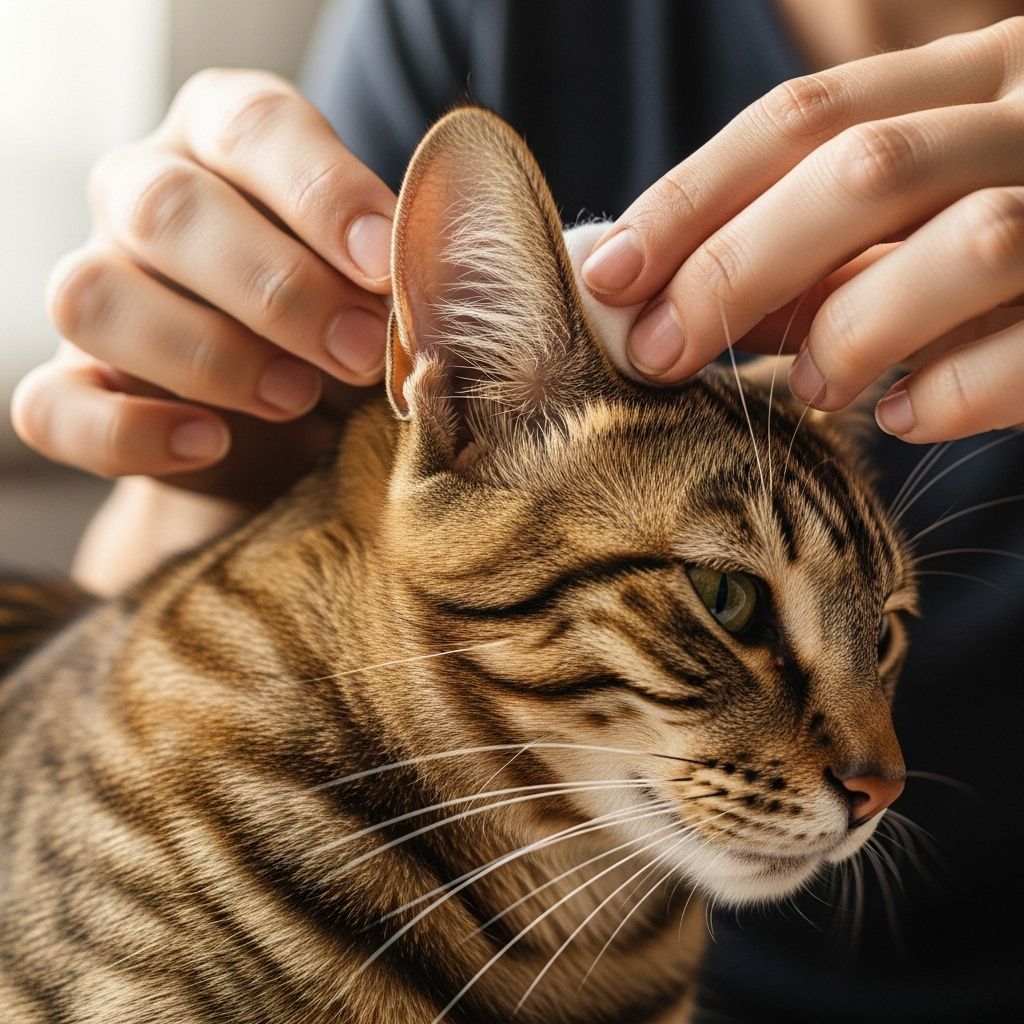
Cats are renowned for their meticulous grooming habits, but sometimes even the cleanest feline needs help with ear hygiene. Understanding when and how to clean your cat’s ears can protect them from irritation, infection, and discomfort. This complete guide explains everything a cat owner needs to know, including reasons for ear cleaning, supplies required, step-by-step cleaning instructions, safety precautions, and proactive tips for keeping your cat’s ears healthy.
Why Clean Your Cat’s Ears?
Most cats rarely need their ears cleaned, as they do an excellent job of self-maintenance. However, certain cats—especially those prone to wax buildup, allergies, or chronic ear infections—may benefit from regular cleaning. Even healthy cats can occasionally accumulate dirt, debris, or wax, so knowing when to intervene is vital for your pet’s health.
- Prevention of Ear Infections: Routine cleaning helps prevent the buildup of wax and debris that can harbor bacteria or yeast.
- Relief from Itching and Irritation: Removal of excess material eases discomfort, reduces head shaking, and prevents scratching injuries.
- Monitoring Ear Health: Cleaning gives you a chance to inspect your cat’s ears, allowing for early detection of infections, mite infestations, or allergies.
Some cats—such as breeds with folded or hairy ears, or those with a history of ear problems—may need more frequent attention. Always consult your veterinarian for recommendations tailored to your pet’s specific needs.
When Should You Clean Your Cat’s Ears?
Routine cleaning every few weeks is unnecessary for most healthy cats, but you should inspect your cat’s ears regularly. Clean only if you notice visible dirt, dark wax, or mild debris at the ear canal entrance. Consider cleaning if your cat has:
- Visible dirt, wax, or debris at the ear opening
- Mildly dirty or dusty ears following play or outdoor adventures
- A vet’s recommendation for chronic ear conditions or after ear mite treatment
Do not clean your cat’s ears if:
- The ear appears red, swollen, bleeding, or extremely smelly
- You see pus, a thick discharge, or the cat frequently scratches or shakes its head
- Your cat appears to be in pain or reacts aggressively when the ear is touched
In these cases, consult your veterinarian first, as improper cleaning may worsen underlying infections or cause further damage.
Essential Supplies for Cleaning Your Cat’s Ears
Proper preparation makes the cleaning process smoother for both you and your cat. Gather the following supplies before you start:
- Vet-approved cat ear cleaner: Only use cleaners specifically formulated for felines; never use hydrogen peroxide, alcohol, or harsh chemicals, as these can irritate the delicate ear canal.
- Cotton balls or soft tissues: For wiping away loosened debris. Avoid cotton swabs, as they can damage the eardrum.
- Soft, clean towel: Useful for gently restraining your cat and absorbing any mess.
- Cat treats: To reward and calm your cat before, during, and after the cleaning process.
- A helper: If possible, have someone hold your cat securely to minimize movement and stress.
Step-by-Step Guide: Cleaning Your Cat’s Ears Safely
Follow these systematic steps to ensure a thorough yet gentle clean, minimizing discomfort or risk for your cat. Patience, gentleness, and positive reinforcement are key.
1. Prepare Your Cat and the Environment
- Choose a quiet, well-lit area—preferably with surfaces that are easy to clean.
- Wrap your cat in a towel to keep their limbs close, providing a feeling of security and restricting sudden movements.
- Have your helper hold your cat gently from behind, hands resting on the cat’s shoulders for additional calmness if needed.
- Keep treats within reach to reinforce calm and cooperative behavior.
2. Inspect the Ears
- Gently lift the ear flap and look inside without inserting anything.
- Healthy ears should be pale pink and mostly free of visible wax or debris. A small amount of pale wax is normal.
- If redness, odor, swelling, or heavy debris is present, stop and consult a veterinarian.
3. Apply Ear Cleaner
- Squeeze a small amount of veterinary-approved ear cleaning solution onto a cotton ball or soft tissue, or dispense a few drops gently into the ear canal (do not insert the applicator tip inside the ear).
- Avoid over-saturating the ear, as excess liquid can drip and increase discomfort.
4. Massage the Ear Base
- With your finger wrapped in the moistened cotton ball or tissue, gently massage the base of your cat’s ear for 20–30 seconds. You may hear a squishing sound as wax and debris break up.
5. Allow Head Shaking
- Your cat will likely shake its head—allow this, as it helps dislodge loosened debris.
6. Wipe Away Residue
- Use a new, dry cotton ball or soft tissue to gently wipe away any loosened dirt, wax, or cleaner visible at the ear opening.
- Only clean as far as your finger easily reaches—do not insert anything deep into the ear canal.
7. Praise and Reward
- Offer treats and gentle praise to create a positive experience and reinforce calm behavior for next time.
8. Repeat on the Other Ear
- Repeat the above steps for your cat’s other ear, using fresh supplies for each ear.
Table: Cat Ear Cleaning Do’s and Don’ts
| Do | Don’t |
|---|---|
| Use vet-recommended cat ear cleaners only | Don’t use cotton swabs (Q-tips) or insert objects into the ear canal |
| Clean only the visible part of the ear | Don’t clean red, smelly, painful, or infected ears—see your vet |
| Reward your cat with treats and gentle praise | Don’t over-clean; this can remove protective oils and cause irritation |
| Stop immediately if your cat appears anxious or in pain | Don’t use alcohol, hydrogen peroxide, or harsh products |
What to Do If Your Cat’s Ear Shows Signs of Infection or Irritation
Never attempt to clean your cat’s ears if you observe:
- Redness, swelling, or visible sores
- Foul odor, thick yellow, black, or green discharge
- Frequent scratching, pawing at the ears, tilting the head, or constant head shaking
- Signs of pain, distress, or aggression when touching the ears
These signs may indicate ear infections, mite infestation, allergic reactions, injuries, or foreign bodies. Do not clean—immediately seek veterinary advice. Untreated or improperly managed ear issues can cause permanent hearing loss or more significant health problems.
Common Mistakes to Avoid While Cleaning Your Cat’s Ears
- Using cotton swabs (Q-tips): These can push debris deeper into the ear canal and risk rupturing the eardrum.
- Using human or dog ear cleaners: Formulations may be too harsh and can irritate sensitive feline ears.
- Over-cleaning: Stripping away the ear’s natural wax leaves it dry and increases vulnerability to infection. Only clean when necessary.
- Ignoring signs of infection: Always consult a vet for painful, odorous, or inflamed ears before attempting any cleaning.
- Not restraining your cat: Gentle restraint with a towel and assistance reduces stress and accidental injury to both you and your cat.
How Often Should You Clean Your Cat’s Ears?
Unlike dogs, cats rarely require routine ear cleaning. Most should only have their ears cleaned when visible dirt or a specific medical condition is present. Cats with chronic ear problems or breeds prone to wax buildup (like Scottish Folds or Persians) may need periodic cleaning as recommended by your vet.
General guidelines:
- Healthy cats without symptoms: Inspect ears monthly; clean only as needed.
- Cats with recurrent ear conditions: Follow your veterinarian’s tailored instructions for cleaning frequency.
- After parasite or infection treatment: Clean as directed by your vet to prevent recurrence.
Types of Cat Ear Cleaners and Their Uses
Veterinarian-recommended cat ear cleaners come in several formulations, each with a distinct purpose:
- General-purpose cleansers: Dissolve wax and debris, increasing ear acidity to hinder bacteria and fungi.
- Anti-fungal cleansers: Target yeast infections, especially in cats with moist or hairy ear canals.
- Anti-bacterial cleansers: Used for bacterial ear infections, but should only be used under veterinary guidance.
- Prescription mite treatments: Required to eliminate ear mites and their eggs; these should be administered only by your vet.
Avoid homemade remedies and always choose products labeled for cats. Contact your vet if you’re unsure about the appropriate ear cleaner.
Frequently Asked Questions (FAQs)
How do I know if my cat’s ears need cleaning?
Inspect your cat’s ears regularly. If you see visible dirt, dark wax, or your cat is shaking its head more than usual, a gentle cleaning may be necessary. However, if the ears are clean and your cat has no symptoms, no routine cleaning is needed.
Can I use Q-tips or cotton swabs to clean my cat’s ears?
No. Using cotton swabs can push debris deeper into the ear canal or even puncture the eardrum, causing injury. Always use cotton balls, soft tissues, or wipes wrapped around your finger.
What should I do if my cat’s ears smell bad or have yellow/green discharge?
Foul odor or colored discharge likely indicates an ear infection, parasite infestation, or other medical issue. Do not attempt to clean—instead, contact your veterinarian for a proper diagnosis and treatment.
How often is it safe to clean my cat’s ears?
Most healthy cats should only have their ears cleaned as needed. Over-cleaning strips away the ear’s natural defenses and causes irritation. Always follow your veterinarian’s recommendations for frequency if your cat has a chronic ear condition.
What’s the best way to keep my cat calm during ear cleaning?
Calm your cat with gentle petting, use treats for positive reinforcement, and work in a quiet environment. Wrapping your cat in a towel and having a helper present can minimize stress and movement.
Are there any natural or homemade cat ear cleaners I can use?
Never use homemade solutions such as vinegar, hydrogen peroxide, or essential oils, as these can harm your cat’s sensitive ear tissue. Only use products specially formulated for cats and recommended by your veterinarian.
Key Takeaways for Cat Ear Health
- Regular inspection is more important than frequent cleaning for most cats.
- Only use gentle, feline-specific products and avoid cotton swabs.
- If your cat’s ears are red, smelly, or discharge is present, visit your veterinarian.
- Reward and reassure your cat for a positive grooming experience.
- Consult your veterinarian before starting any cleaning routine, especially for cats with a history of ear problems.
With the right approach and supplies, cleaning your cat’s ears can be a stress-free part of their regular care, ensuring your feline friend stays happy, healthy, and comfortable for years to come.
Similar Articles







Read full bio of Sneha Tete