9 Remarkable Hungarian Dog Breeds: Heritage, Traits, and Care
Discover the history, traits, and unique personalities of Hungary’s extraordinary native dog breeds and learn how they fit into family life.
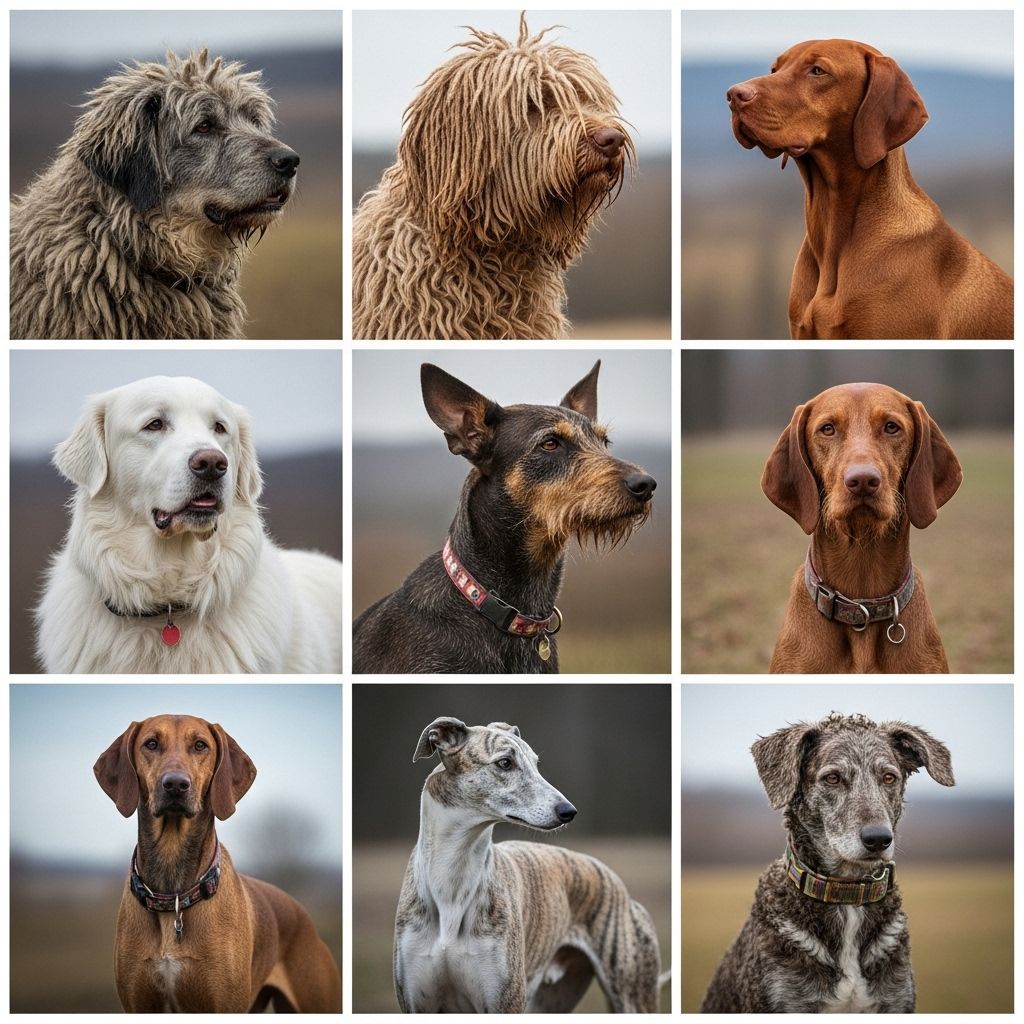
Hungary is home to some of the world’s most fascinating canine breeds, each steeped in centuries of tradition and adapted to the varied roles demanded by the region’s history and landscape. From agile herders and fierce guardians to gentle companions and energetic hunting partners, Hungarian dog breeds reflect both ancient Magyar culture and modern family life. Whether you’re seeking a loyal family dog, an enthusiastic partner for outdoor adventures, or a keen protector, these breeds offer an exceptional combination of intelligence, resilience, and devotion.
Overview of Hungarian Dog Breeds
Many of Hungary’s native breeds have stood by their people through centuries of change. Bred for specific purposes—from herding and protecting livestock to hunting and companionship—their unique looks and strong personalities have made them both national symbols and beloved pets worldwide. The most notable Hungarian breeds include:
- Vizsla
- Komondor
- Puli
- Kuvasz
- Mudi
- Transylvanian Hound
- Pumi
- Hungarian Greyhound (Magyar Agár)
- Wirehaired Vizsla
1. Vizsla
The Hungarian Vizsla is one of the oldest pointing breeds, known for its affectionate nature and boundless energy. Revered in Hungary for centuries, the Vizsla serves both as a skilled hunting companion and a loving family dog.
- Type: Sporting/Hunting Dog
- Coat: Short, golden-rust color
- Personality: Affectionate, gentle, energetic, people-oriented
Often referred to as the “Velcro dog” due to its loyal attachment to its owner, the Vizsla thrives on close human contact and regular exercise. Their remarkable intelligence and eagerness to please make them excel in various canine competitions and working roles, including search and rescue, therapy, and detection.
Brief History
With roots tracing back to the 8th century, the Vizsla survived several near-extinctions and was cherished by Hungarian nobility. The breed’s hallmark traits—versatility, stamina, and loyalty—were refined through selective breeding. Today, Vizslas are valued for their companionship, success in dog sports, and unique role in the TSA and service work.
2. Komondor
The Komondor commands attention with its dramatic, corded white coat and imposing stature. Bred primarily as a livestock guardian, it is one of the oldest native Hungarian breeds.
- Type: Guardian/Livestock Protection
- Coat: Long, corded, white
- Personality: Calm, protective, independent, strong-willed
Komondors are natural protectors, traditionally guarding flocks from predators across the harsh Hungarian plains. Their independence and willingness to make decisions on their own require experienced and patient handlers. Their thick, mop-like coat protects them from both weather and attack but requires considerable maintenance.
3. Puli
The Puli is easily recognized by its distinct, corded coat—compact and agile, this breed has been herding sheep and cattle in Hungary for centuries. Despite its somewhat comical appearance, the Puli is a hard-working, spirited herder with surprising athleticism.
- Type: Herding Dog
- Coat: Long, corded, variety of colors (black most common)
- Personality: Playful, intelligent, alert, loyal
Pulis maintain their playful nature well into adulthood. They are agile, highly trainable, and develop deep bonds with their families. Their coat requires diligent grooming to prevent matting; however, it provides excellent protection during outdoor work.
4. Kuvasz
Another ancient Hungarian breed, the Kuvasz served alongside the Komondor as a guardian of livestock and property. Large and imposing, with a thick white double coat, the Kuvasz is courageous, loyal, and highly protective.
- Type: Livestock Guardian
- Coat: Dense, wavy, white
- Personality: Brave, devoted, watchful, gentle with family
Kuvaszok bond deeply with their owners but are wary of strangers. Bred to make independent decisions in the field, they need consistent training and socialization from an early age to thrive as family dogs.
5. Mudi
The Mudi is another rare Hungarian herding breed, valued for its versatility and intelligence. Smaller and more compact than the Komondor or Kuvasz, Mudis are agile, adaptable, and excel in a variety of canine sports.
- Type: Herding/Working Dog
- Coat: Medium length, wavy or curly, many colors
- Personality: Intelligent, energetic, alert, trainable
Mudis adapt quickly to new situations and show exceptional working skills, making them ideal for both herding and agility activities. While devoted to their families, their strong working drive means they need both mental and physical stimulation.
6. Transylvanian Hound
The Transylvanian Hound is steeped in the hunting traditions of Central and Eastern Europe. Developed to track and hunt big game, it is recognized for its endurance, robust frame, and keen sense of smell.
- Type: Scent Hound/Hunting Dog
- Coat: Short, dense, black with tan markings
- Personality: Confident, friendly, responsive
Once nearly extinct, this breed has seen renewed interest in both Hungary and abroad. Transylvanian Hounds make adaptable companions for active families while retaining a strong prey drive and tracking instinct.
7. Pumi
The Pumi combines the best qualities of traditional herding and companion dogs. Slightly smaller than the Puli and Mudi, with a whimsical expression and erect ears, the Pumi is full of energy and personality.
- Type: Herding Dog
- Coat: Wavy, curly, often gray but comes in many colors
- Personality: Lively, cheerful, vocal, trainable
Pumis excel as both herders and family companions. Their intelligence, agility, and eagerness to learn make them popular in performance sports such as agility and obedience. Early socialization and training are essential to manage their alert, vocal nature.
8. Hungarian Greyhound (Magyar Agár)
The Hungarian Greyhound, or Magyar Agár, is an elegant sighthound bred for speed, stamina, and grace. Unlike the more commonly known Greyhound, this breed can maintain its speed over long distances, making it a formidable hunting companion throughout Hungary’s open plains.
- Type: Sighthound/Hunting Dog
- Coat: Short, coarse, various colors
- Personality: Athletic, loyal, calm, gentle
Magyar Agárs are generally affectionate and quiet in the home, but need plenty of space to run and exercise. They form close bonds with their families and have a dignified, calm demeanor.
9. Wirehaired Vizsla
The Wirehaired Vizsla is a close relative of the original Vizsla, distinguished by its wiry, protective coat. Developed for harsher terrain and colder climates, Wirehaired Vizslas share the affectionate temperament and high intelligence of their shorthaired cousins.
- Type: Sporting/Hunting Dog
- Coat: Dense, wiry, golden rust
- Personality: Energetic, affectionate, enthusiastic, intelligent
These dogs maintain high energy levels and require both mental and physical engagement. They are loving, sensitive companions that flourish in active homes.
Hungarian Dog Breeds – Personality and Behavior
Whether bred as guardians, herders, hunters, or companions, Hungarian dog breeds share certain qualities that set them apart:
- Loyal and Devoted: Deeply attached to their families and owners.
- Intelligent: Quick learners, receptive to both work and play.
- Energetic: Most breeds thrive on exercise, mental stimulation, and purpose.
- Versatile: Adaptable to many tasks and environments, from rural farms to urban homes—with the right activity.
Prospective owners must understand the working backgrounds and exercise needs of these dogs in order to provide happy, fulfilling lives for them.
Choosing a Hungarian Breed: What to Consider
- Activity Level: Most Hungarian breeds require a job or regular activity.
- Space Requirements: Some, especially large guardians or sighthounds, do best with yards or rural settings.
- Grooming: Corded coats (Komondor, Puli) need detailed care; others are lower maintenance.
- Temperament: Some breeds are family-oriented (Vizsla, Puli), others independent protectors (Komondor, Kuvasz).
Quick Comparison Table: Hungarian Breeds
| Breed | Main Role | Size | Energy | Main Traits |
|---|---|---|---|---|
| Vizsla | Hunting/Companion | Medium | High | Affectionate, Intelligent |
| Komondor | Guardian | Large | Moderate | Protective, Independent |
| Puli | Herding | Medium | High | Energetic, Playful |
| Kuvasz | Guardian | Large | Moderate | Loyal, Brave |
| Mudi | Herding/Working | Medium | High | Intelligent, Agile |
| Transylvanian Hound | Hunting | Medium | High | Friendly, Confident |
| Pumi | Herding | Medium | High | Lively, Vocal |
| Magyar Agár | Sighthound/Hunting | Large | High | Calm, Loyal |
| Wirehaired Vizsla | Hunting/Companion | Medium | High | Affectionate, Driven |
Frequently Asked Questions (FAQs) About Hungarian Dog Breeds
Are Hungarian dog breeds good for families?
Many Hungarian breeds, such as the Vizsla, Puli, and Mudi, are highly affectionate and bond closely with their families. Early socialization and training ensure they thrive in homes with children or other pets.
Which Hungarian breed is best for guarding property?
The Komondor and Kuvasz are premier livestock guardians, deeply loyal and ready to defend their home and family. Their independent nature requires firm, patient owners.
Do Hungarian breeds require special grooming?
Some breeds, like the Puli and Komondor, have unique corded coats that need regular care to prevent matting and maintain health. Others, such as the Vizsla and Mudi, need only basic grooming.
Are these breeds suitable for apartment living?
While some Hungarian dogs can adapt to smaller living spaces, most require daily exercise and mental stimulation. High-energy breeds like the Vizsla, Mudi, and Pumi need active owners and plenty of playtime.
How old are these breeds?
Hungarian dog breeds have ancient lineages, with many—such as the Vizsla, Komondor, and Kuvasz—dating back over a thousand years.
Final Thoughts
Hungarian dog breeds are as diverse as the landscapes they come from. With a balance of affectionate companions, tireless workers, fierce protectors, and sporting enthusiasts, Hungary’s canine legacy offers a breed for every kind of dog lover. Understanding their unique strengths and needs ensures both happy dogs and contented owners, carrying forward this proud tradition for generations to come.
Similar Articles


Read full bio of Sneha Tete