Is a Christmas Cactus Poisonous to Dogs? Holiday Safety for Pets
Understand the safety of Christmas cactus for dogs, recognizing symptoms and holiday plant hazards while keeping your pets protected.
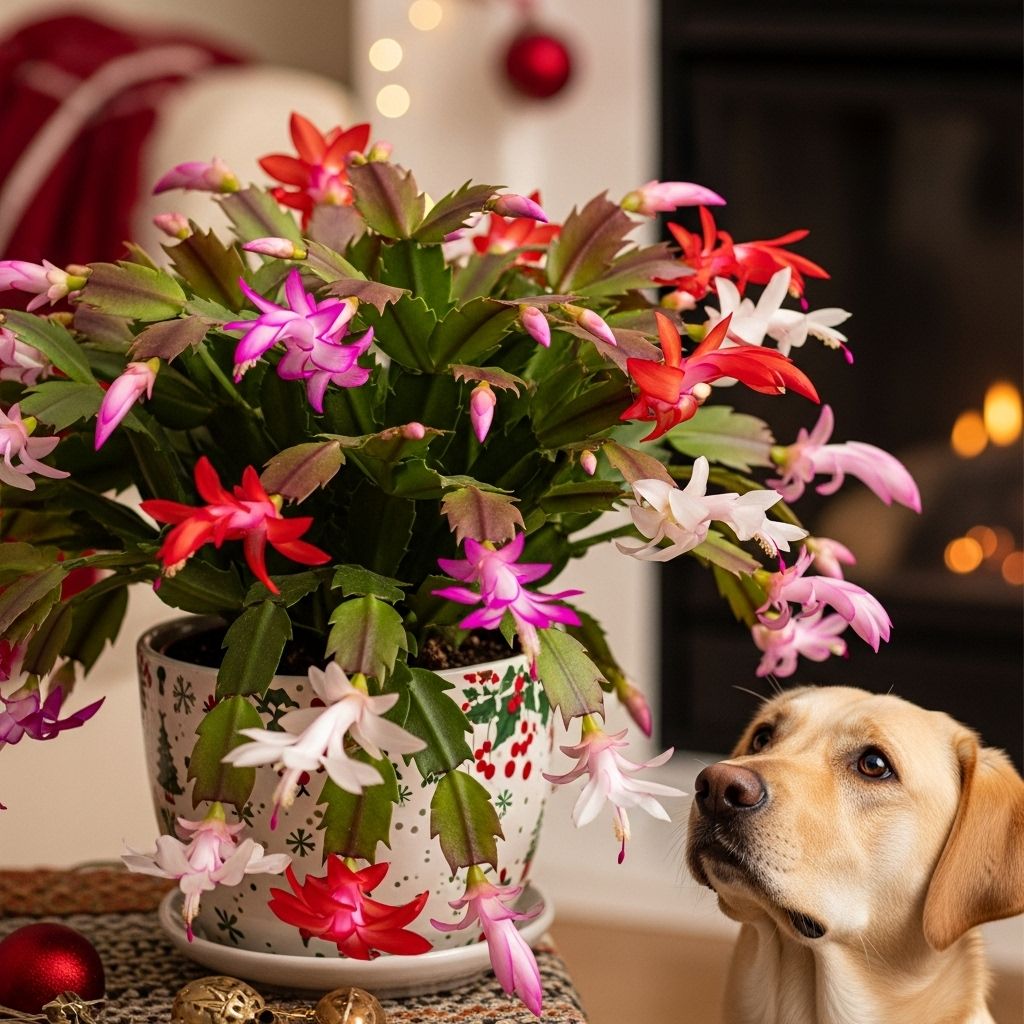
Is a Christmas Cactus Poisonous to Dogs?
The Christmas cactus (Schlumbergera bridgesii) is a popular indoor plant, especially during the winter season, thanks to its colorful blooms. As holidays bring an abundance of festive decorations into homes, many pet owners worry about the safety of common plants for their dogs. Fortunately, extensive research and veterinary insights confirm that the Christmas cactus is not considered poisonous to dogs. However, plant ingestion can lead to digestive upset and, if consumed in substantial amounts, potentially serious health challenges.
Overview of Christmas Cactus
- Native Habitat: Brazilian rainforests; widely cultivated as indoor houseplants.
- Seasonal Bloom: Typically flowers in December, coinciding with the holiday season in the Northern Hemisphere.
- Related Varieties: Thanksgiving cactus and Easter cactus share similar properties and safety profiles.
- Physical Characteristics: Smooth, spineless, segmented foliage; unlike traditional cacti, poses minimal injury risk.
Understanding Plant Toxicity: Holiday Plants and Pets
The toxicity of houseplants is a top concern during holidays. While the Christmas cactus is generally safe, many other holiday plants can be hazardous. It is important to distinguish between true toxicity—where a plant contains compounds that harm organs—and mechanical or digestive irritation, which is a much more common risk.
| Plant | Toxicity Level | Symptoms in Dogs |
|---|---|---|
| Christmas cactus (Schlumbergera bridgesii) | Generally non-toxic | Mild GI upset: vomiting, diarrhea, lethargy |
| Holly (Ilex sp.) | Toxic | Intense vomiting, diarrhea, depression |
| Mistletoe (Phoradendron spp.) | Highly toxic | Vomiting, diarrhea, slowed heartbeat, collapse |
| Amaryllis (Amaryllis spp.) | Toxic | Vomiting, diarrhea, tremors, abdominal pain |
| Poinsettia (Euphorbia) | Mild toxicity | Oral irritation, vomiting |
What Happens If Dogs Eat Christmas Cactus?
Although the Christmas cactus is not considered poisonous, ingesting any plant material can cause gastrointestinal distress, particularly if eaten in large quantities.
- Gastrointestinal irritation: Fibers from the plant can irritate the mouth, esophagus, and stomach.
- Digestive upset: Common symptoms include vomiting, diarrhea, reduced appetite, and lethargy.
- Intestinal blockage risk: Consuming large segments of the plant may block the GI tract, requiring medical intervention.
The absence of spines further means that dogs are unlikely to suffer physical injury simply by contacting or passing by the plant.
How Much Is Dangerous?
- Small ingestion: Likely to cause mild symptoms such as one-time vomiting or diarrhea that usually resolve on their own.
- Large ingestion: May increase severity of symptoms, elevate risks of obstruction or persistent digestive distress.
Symptoms of Christmas Cactus Ingestion in Dogs
Symptoms are generally mild, but pet owners should always be vigilant, especially when any new plant enters the environment. Signs may range from mild to moderate, depending on the amount ingested and the individual dog’s sensitivity.
- Vomiting
- Diarrhea
- Lethargy
- Lack of appetite (anorexia)
- Hypersalivation (excessive drooling)
- Bloody vomiting or diarrhea in rare cases (primarily with large quantities)
Note: If you notice signs like repeated vomiting, severe lethargy, or distress that persists more than a few hours, seek veterinary advice immediately.
What Should You Do If Your Dog Eats a Christmas Cactus?
Quick decision-making is important. Actions depend on how much the dog ate, the observed symptoms, and other contextual factors such as the pet’s size and health history.
- For small, symptom-free ingestion:
- Monitor your pet for any mild signs of discomfort.
- If a single vomit occurs, withhold food and water for 1–2 hours.
- Slowly reintroduce small amounts of water, followed by bland, regular food, once symptoms resolve.
- For persistent or severe vomiting and other symptoms:
- Contact your veterinarian promptly.
- If unavailable, call the Pet Poison Helpline® at 1-855-764-7661 for 24/7 guidance (fee applies).
- Never induce vomiting without veterinary advice.
- For suspected intestinal blockage:
- Symptoms include repeated vomiting, abdominal pain, bloating, and lack of stool.
- An X-ray or diagnostic imaging may be needed.
- Fluid therapy, anti-nausea medication, and other treatments may be required.
Veterinary Treatment and Prognosis
If medical care is needed, veterinarians may utilize several supportive treatments depending on the severity of symptoms.
- Fluid therapy: To correct dehydration and promote gut recovery.
- Medications: Anti-nausea, anti-diarrhea, and GI-supportive medications.
- Diagnostic imaging: X-rays to check for obstructions if repeated vomiting or unresolved discomfort occurs.
- Prognosis: Most dogs recover well with appropriate care. Severe blockages or persistent distress may require surgery, but this is rare.
Holiday Plant Safety: Practical Tips for Pet Owners
Decorating for the holidays can be safe and enjoyable for everyone—including pets—if you follow proven guidelines.
- Place plants out of reach: Keep all potted plants in areas where pets cannot access them easily.
- Use bitter-tasting, pet-safe sprays: These make plants unappealing for chewing and are widely available.
- Supervise interactions: Monitor your pets around new decorations, especially curious puppies.
- Choose pet-friendly plants: Always check toxicity databases before introducing new greenery into your home.
- Act early on symptoms: Don’t wait to contact your veterinarian if warning signs arise.
Commonly-Asked Holiday Plant Safety Tips
- Avoid toxic plants like mistletoe, holly, and amaryllis.
- Choose non-toxic alternatives, keeping in mind even pet-safe plants can cause mild upset if chewed.
Frequently Asked Questions (FAQs)
Q: Is the Christmas cactus toxic to dogs?
A: No, the Christmas cactus is not considered toxic to dogs. Eating it may cause mild gastrointestinal upset but is highly unlikely to result in serious poisoning or death.
Q: What should I do if my dog eats Christmas cactus?
A: Monitor for symptoms. For mild signs, restrict food briefly and slowly reintroduce water and food. For severe or repeated vomiting, lethargy, or suspected blockages, contact your veterinarian or emergency support.
Q: What symptoms should I be concerned about?
A: Vomiting, diarrhea, loss of appetite, and lethargy are common after ingestion. Repeated vomiting, severe lethargy, or any bloody stool warrants immediate veterinary attention.
Q: Are other holiday cacti (Thanksgiving and Easter cacti) safe?
A: Yes. Both Thanksgiving cactus and Easter cactus have similar safety profiles and are not considered poisonous to dogs or cats, although large amounts may cause mild to moderate digestive upset.
Q: Can repeated exposure to Christmas cactus harm my dog?
A: No chronic health issues are reported from repeated minor exposure to Christmas cactus. Persistent overindulgence, however, may risk chronic GI distress or rare obstructions.
Other Holiday Plants to Watch Out For
Many other festive plants can pose serious dangers. Pet owners should be aware of signs and keep these plants well away from pets.
- Mistletoe: Vomiting, diarrhea, slowed heartbeat, shock.
- Poinsettia: Oral irritation, vomiting.
- Holly: Intense digestive upset, depression.
- Amaryllis: Vomiting, diarrhea, tremors.
- Christmas rose: Abdominal pain, bloody diarrhea.
Take preventive action by researching every plant’s toxicity before bringing it indoors during the holiday season.
Key Takeaway for Pet Owners
While the Christmas cactus is generally safe for dogs, ingestion can cause mild to moderate gastrointestinal upset. Severe symptoms remain rare but require prompt medical evaluation. Holiday plant safety requires awareness, supervision, and preparedness for a quick response if a dog displays concerning symptoms. For any uncertainty about plant ingestion, immediate consultation with a veterinarian remains the best course of action.
Similar Articles






Read full bio of Sneha Tete