Why Your Leopard Gecko Won’t Eat: Causes, Solutions, and When to Worry
A comprehensive guide to understanding, diagnosing, and addressing appetite loss in leopard geckos at home.
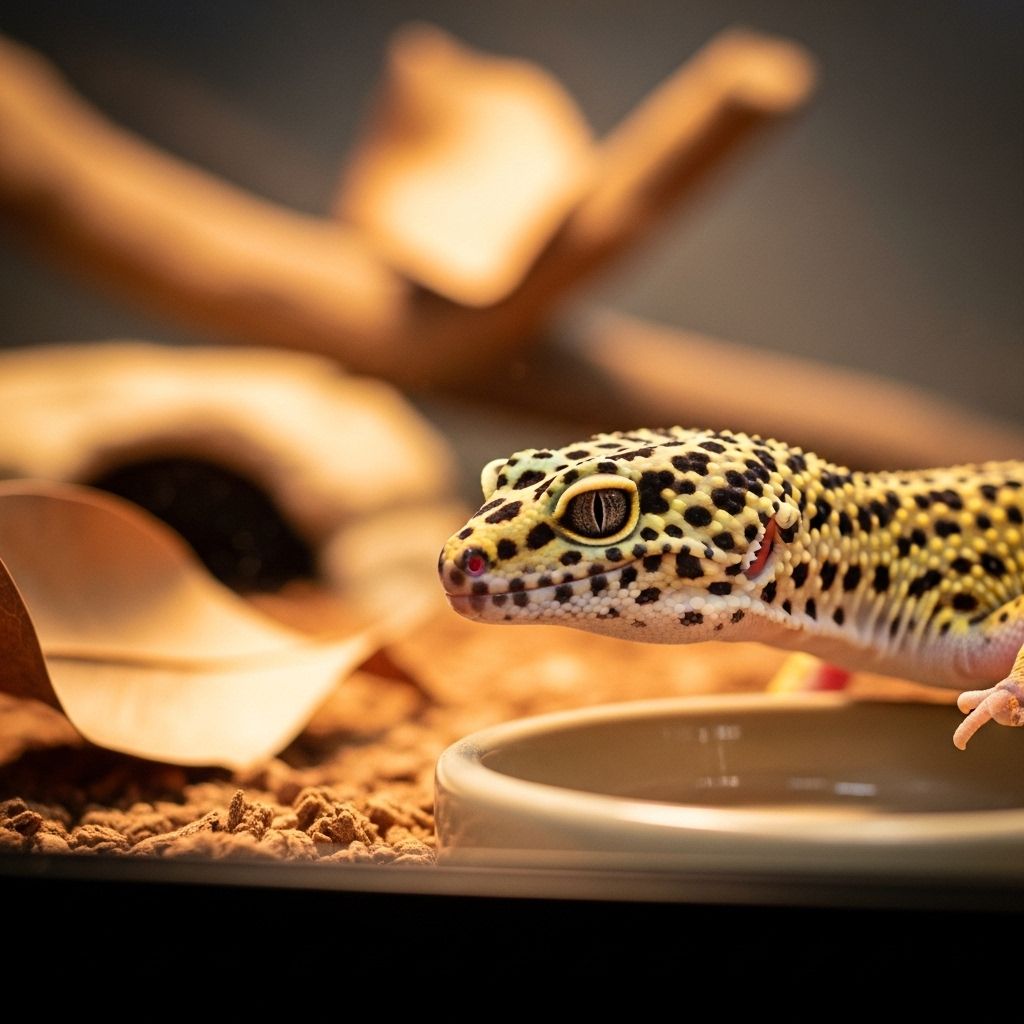
Why Your Leopard Gecko Won’t Eat
Leopard geckos are popular, hardy reptiles admired for their ease of care and fascinating behavior. However, even the healthiest gecko can stop eating from time to time, which can be distressing for any owner. Appetite loss in leopard geckos has many causes, some benign and others that need immediate attention. This guide explores the numerous reasons a leopard gecko may stop eating, offers troubleshooting steps, and helps you decide when veterinary care is essential.
Understanding Appetite Loss in Leopard Geckos
Most cases of a leopard gecko refusing food stem from harmless reasons like minor stress or environmental changes, but it’s crucial to systematically rule out dangerous health issues.
Quick Reference: Common Causes of Appetite Loss
- Stress from environmental changes or excessive handling
- Incorrect temperature or humidity in the habitat
- Shedding cycles causing temporary fasting
- Dietary monotony or improper food size
- Breeding behaviors or brumation (winter dormancy)
- Illness or internal parasites
Step 1: Rule Out Environmental and Husbandry Factors
The first step if your gecko stops eating should always be to evaluate its environment and recent changes to its routine.
Stress and Environmental Changes
- New home, enclosure modifications, or routine disturbances can cause acute stress and temporary appetite loss. Minimize major changes and allow the gecko to settle for at least a week before expecting normal eating habits.
- Overhandling is a frequent stressor. Reduce handling to a bare minimum when your gecko is eating poorly to allow time for recovery.
Temperature and Humidity
- Leopard geckos require thermal gradients for digestion. Basking spots should reach 88–92°F (31–33°C) for proper metabolic functioning, while the cooler side should stay at about 80°F (27°C).
- A habitat that’s too cold causes digestion to slow, making geckos refuse food. Check all heat sources and thermometers for accuracy, and monitor multiple zones in the enclosure.
- Humidity also matters—provide a humid hide to aid with shedding and overall comfort.
Recent Moves or Cage Upgrades
- If the gecko was recently purchased or its cage was moved or cleaned with new materials (like substrate), expect a short period of food refusal as it adjusts.
Shedding
- Appetite reduction is normal during active shedding cycles. The discomfort and cloudy vision temporarily decrease hunting instincts.
- Offer a moist, safe hide (a dig box or plastic tub with damp moss) to support successful sheds.
- Ensure access to fresh water and dusted insects during this time.
Step 2: Evaluate Diet and Feeding Practices
Dietary mistakes are a common, yet avoidable, trigger for food refusal in leopard geckos.
Inappropriate Food Size
- Only offer live prey items smaller than the gecko’s head width—the rule of thumb is never feed anything wider than the space between their eyes to avoid choking or fear of prey.
- Use medium-sized dubia roaches, crickets, or mealworms for average-sized geckos, and adjust accordingly for hatchlings or older adults.
Diet Monotony & Palatability
- Leopard geckos, like many reptiles, may refuse food if offered the same insect type repeatedly. Rotate feeders: offer crickets, mealworms, dubia roaches, waxworms (sparingly), black soldier fly larvae, and occasional silkworms.
- Avoid wild-caught insects or foods not certified safe for reptiles.
- Dusted insects ensure vitamin and mineral intake. Inadequate supplementation can create nutritional imbalances that affect appetite and long-term health.
Feeding Frequency and Technique
- Younger geckos should eat daily to every other day; adults typically feed every 2–3 days.
- Only present a few insects at a time to avoid overwhelming or stressing your gecko.
Step 3: Consider Behavioral and Seasonal Factors
Brumation (Dormancy)
- During the cooler months, especially if cage temperatures drop and daylight hours shorten, some leopard geckos enter a semi-dormant state called brumation.
- Expect decreased appetite, slow movements, and increased hiding. This is normal for healthy adults but not for juveniles or sick geckos. Always offer water and monitor weight.
Breeding Season Changes
- Both males and females, particularly during breeding season (typically spring to early summer), may refuse food due to hormonal fluctuations and increased activity.
- Avoid unnecessary stress during this period and continue to offer food regularly.
Step 4: Health-Related Causes and Warning Signs
If none of the above factors apply, or if you observe worrying symptoms, it may indicate serious health issues.
Common Illnesses Linked to Appetite Loss
| Condition | Symptoms | Action |
|---|---|---|
| Internal Parasites | Weight loss, lethargy, abnormal droppings | Veterinarian diagnosis and treatment required |
| Metabolic Bone Disease (MBD) | Lack of appetite, soft or misshapen limbs, inability to stand, tremors | Urgent vet care; improve calcium and D3 supplementation |
| Malnutrition or Vitamin Deficiencies | Poor appetite, vision troubles, stuck shed, lethargy, bone deformities | Review and adjust diet, supplement as directed by vet |
| Cryptosporidiosis (Stick Tail Disease) | Severe weight loss (tail thinning), diarrhea, lethargy | Immediate veterinary care for diagnosis and supportive treatment |
| Other Infections | Swelling, abscesses, discharge, trouble moving or breathing | Vet evaluation for specific treatment |
Critical Symptoms: When Appetite Loss Is a Medical Emergency
- Lethargy and refusal to respond to stimuli
- Severe or rapid weight loss, visible spine or tail thinning
- Vomiting, diarrhea, or abnormal droppings
- Labored breathing, mouth bubbles, or wheezing sounds
- Stuck shed constricting toes, tails, or eyes
- Visible deformities, soft jaw, or limp limbs
If any of these are observed, contact a reptile veterinarian immediately.
Step 5: Home Care Tips When Your Leopard Gecko Refuses Food
- Double-check environmental settings (temperature, humidity, hides, lighting)
- Minimize stress: reduce handling, avoid loud noises and vibrations near the enclosure
- Ensure privacy and security by providing hides on both the warm and cool ends of the tank
- Offer diverse feeder insects and ensure new insects are gut-loaded and calcium-dusted
- Try feeding at dusk or early evening when geckos are most active
- Offer insects by hand or in a shallow dish for weak or reluctant geckos
- Keep the enclosure clean and monitor for any waste, uneaten food, or signs of parasites
- If your gecko is shedding, increase the humidity and limit disruptions
Frequently Asked Questions (FAQs)
Q: How long can a leopard gecko go without eating?
A: Healthy adults can safely fast for 7-14 days, and sometimes even longer during brumation. Juveniles, sick, or underweight geckos need intervention much sooner.
Q: Should I force-feed my leopard gecko?
A: In most situations, do not attempt force feeding unless instructed by an experienced reptile veterinarian. Forcing food can cause aspiration or stress-related harm.
Q: My gecko is not eating but otherwise looks healthy. What should I do?
A: Review habitat conditions, feeding routine, and stress triggers. If the gecko is active, hydrated, and maintains weight, monitor closely. Contact a vet if new symptoms arise or fasting extends beyond two weeks.
Q: Can boredom cause a leopard gecko to stop eating?
A: Yes, a lack of dietary variety leads to food refusal in some individuals. Rotate feeder species and try different feeding methods to re-engage interest.
Summary Table: Troubleshooting a Leopard Gecko That’s Not Eating
| Possible Cause | Quick Fix | When to See a Vet |
|---|---|---|
| Environmental stress (new home, handling, changes) | Minimize changes and handling, provide secure hides | If no improvement after 1–2 weeks, or if other symptoms develop |
| Temperature/humidity issues | Check and correct gradient/levels | If corrected but still refusing food for over 2 weeks |
| Shedding | Provide humid hide, minimize disturbance | If shed is stuck or appetite doesn’t return post-shed |
| Poor diet or food boredom | Offer variety, check food size, ensure gut loading and dusting | If sudden refusal after dietary changes, seek advice |
| Parasites or illness | None—seek reptile vet diagnostic ASAP | Immediate if weight loss, lethargy, or abnormal droppings |
| Brumation or breeding | Monitor, keep warm, offer food and water | If condition deteriorates or brumation suspected in juveniles |
When to Contact a Veterinarian
- Unexplained and persistent refusal to eat for more than 14 days
- Any sudden, pronounced weight loss or lethargy
- Physical abnormalities (swelling, sores, deformities)
- Changes in feces, vomiting, or diarrhea
A qualified reptile veterinarian can check for parasites via fecal exam, recommend bloodwork if needed, diagnose metabolic imbalances, and provide force-feeding or hospitalization if warranted.
Prevention: Keeping Your Leopard Gecko Healthy
- Quarantine new pets before introducing to established geckos
- Maintain optimal temperatures and humidity year-round
- Provide diverse, appropriate feeder insects
- Calcium and multivitamin supplementation with every feeding
- Routine spot cleaning and full enclosure sanitization to reduce disease risk
- Monitor appetite, body weight, and shedding regularly
Resources for Further Information
- Reptile veterinary associations
- Local reptile clinics and herpetological societies
- Books and online guides dedicated to leopard geckos and reptile husbandry
Similar Articles






Read full bio of Sneha Tete