Lyme Disease in Dogs: Symptoms, Diagnosis, Treatment, and Prevention
Comprehensive guide to Lyme disease in dogs, its symptoms, diagnostic strategies, effective treatments, and proactive prevention tips for pet owners.
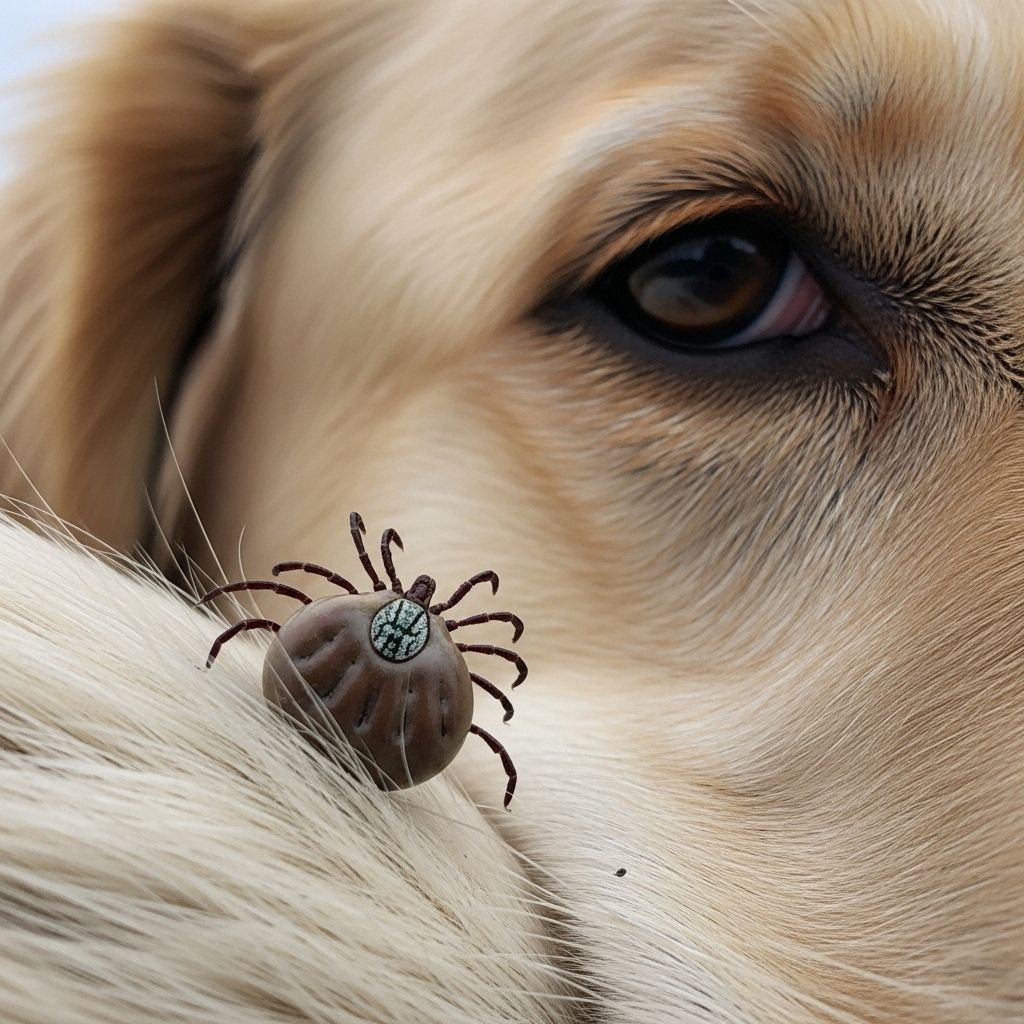
Lyme Disease in Dogs: Understanding, Treating, and Preventing a Tick-Borne Threat
Lyme disease is one of the most common and concerning tick-borne illnesses affecting dogs in North America and Europe. Pet owners should be informed about how Lyme disease can impact their canine companions, from its clinical signs to modern approaches in diagnosis, treatment, recovery, and prevention. This comprehensive guide uncovers everything you need to know to protect your dog from Lyme disease, recognize signs early, and respond with effective veterinary care.
What Is Lyme Disease?
Lyme disease, medically known as Lyme borreliosis, is caused by infection with the bacterium Borrelia burgdorferi. This spiral-shaped bacterium is transmitted primarily through the bite of infected black-legged ticks (also called deer ticks). Dogs are exposed to these ticks in grassy, wooded, and bushy areas, especially during spring and fall when ticks are most active.
How Do Dogs Get Lyme Disease?
- Ticks feed on rodents, birds, or deer, acquiring B. burgdorferi.
- Dogs become infected when bitten by an infected tick, typically after the tick has been attached for 24 to 48 hours.
- The bacterium enters the dog’s bloodstream and can spread to various organs, including joints and kidneys.
Symptoms of Lyme Disease in Dogs
Most infected dogs show no signs or only mild illness, but some develop serious symptoms weeks or months after the initial tick bite. Recognizing the clinical signs of Lyme disease is crucial for timely intervention.
- Fever (often 103°F or higher)
- Lameness or shifting-leg lameness (limping that may switch from one leg to another)
- Swollen joints and joint pain
- Swollen lymph nodes
- Lethargy and reluctance to move
- Decreased appetite
- Increased thirst and urination
In severe cases, untreated Lyme infection can harm the kidneys (Lyme nephritis), nervous system, and even the heart. Kidney failure due to Lyme nephritis is often fatal and may present as vomiting, weight loss, and poor appetite. Neurological and cardiac complications are rare but possible.
Common Ways Symptoms Progress
- Initial signs may be subtle or overlooked, starting 2 to 5 months after tick exposure.
- Dogs may show pain, stiffness, or lameness in one or more legs.
- Some dogs experience recurring lameness or joint swelling, which may improve and then return.
- Kidney involvement results in more severe illness with systemic signs, including vomiting and fluid accumulation.
Diagnosing Lyme Disease in Dogs
Diagnosis of Lyme disease relies on a combination of clinical examination, history of tick exposure, and laboratory testing. Due to similarities with other conditions, veterinary professionals use several methods to confirm Lyme infection and rule out other diseases.
- Physical Exam: Veterinarians assess for fever, joint swelling, and pain.
- History: Information about tick exposure and timing assists in determining risk.
- Blood Tests:
- Antibody tests (ELISA, SNAP 4Dx, C6): Detect antibodies produced in response to B. burgdorferi. Reliable results typically appear 4–8 weeks after infection.
- PCR and C6 ELISA: Assess the presence and amount of specific antibodies, and indicate whether infection is recent or longstanding.
- Urine Tests: Recommended to check for protein loss or kidney involvement, as Lyme nephritis can lead to kidney failure.
- Additional Lab Work: Blood panels to rule out other tick-borne diseases and evaluate organ function.
- Treatment Response: If symptoms improve rapidly with antibiotics, Lyme disease is considered likely.
Note: Not all dogs with a positive antibody test are sick. Many dogs test positive but remain healthy and may simply need ongoing monitoring rather than immediate treatment.
Treatment of Lyme Disease in Dogs
The mainstay of Lyme disease treatment in dogs is antibiotics. Early and appropriate therapy usually leads to rapid improvement.
- Doxycycline: The first-choice antibiotic, typically given for at least 30 days.
- Amoxicillin or Cefovecin: Alternative antibiotics for dogs sensitive to doxycycline.
- Pain Management:
- Medications like gabapentin help relieve joint pain and inflammation.
- Nonsteroidal anti-inflammatory drugs (NSAIDs) may also be used if needed.
- Supportive Care:
- Severe cases—especially those with kidney involvement—may require hospitalization for intravenous fluids, medication for nausea and blood pressure control, and nutritional support.
- Dogs with Lyme nephritis often need long-term medication and management, with a generally poor prognosis.
- Monitoring: Asymptomatic dogs usually need routine observation and periodic urine checks, but not treatment unless they develop symptoms.
Completing the antibiotic course—typically 30 days—is essential to ensure all bacteria are eradicated and to prevent recurrence or worsening of the disease. Some chronically infected dogs or those with delayed treatment may need longer therapy and ongoing medication for pain and joint management.
Recovery and Long-Term Management
Many affected dogs respond quickly to a properly prescribed course of antibiotics, recovering within 24–48 hours.
- Majority of cases: Full recovery with early treatment, especially if the infection is localized to joints.
- Chronic or severe cases: Dogs with long-standing Lyme infection may have persistent lameness or arthritis, sometimes requiring lifelong pain management or anti-inflammatory medication.
- Kidney involvement: If Lyme nephritis develops, ongoing supportive care and medication are necessary. The outlook for these dogs remains poor.
Pet owners can help chronically affected dogs by providing orthopedic beds for comfort and portable stairs for easier access to furniture, reducing strain on affected joints. Ensuring dogs receive their medications regularly and attend follow-up veterinary appointments is essential for their quality of life.
Preventing Lyme Disease in Dogs
Effective prevention is the cornerstone of Lyme disease management. Proactive measures significantly reduce your dog’s risk of acquiring this tick-borne illness.
- Tick Prevention: Use veterinary-approved tick-preventative products, such as topical spot-on treatments, oral medications, or tick collars. Apply these regularly according to manufacturer guidelines.
- Avoid Tick-Infested Areas: Limit your dog’s exposure to tall grass, bushy woods, and leaf litter where ticks thrive—especially during spring and fall.
- Tick Checks: Inspect your dog thoroughly after walks, especially around ears, neck, armpits, and between toes.
- Prompt Tick Removal: If a tick is found, remove it immediately using fine-tipped tweezers. Grasp the tick close to the skin and pull slowly and steadily.
- Vaccination: In areas where Lyme disease is common, your veterinarian may recommend a Lyme vaccine for dogs at higher risk. Discuss this option during routine pet visits.
Quick Prevention Checklist
- Use monthly tick prevention products.
- Avoid walks in tick hotspots.
- Conduct daily tick checks during peak seasons.
- Consult your veterinarian for vaccine guidance.
Table: Symptoms and Stages of Lyme Disease in Dogs
| Stage | Typical Symptoms | Prognosis |
|---|---|---|
| Early | Fever, lameness, joint swelling | Good with early treatment |
| Chronic | Lameness, arthritis, joint pain | Variable; may need long-term management |
| Kidney Involvement (Lyme nephritis) | Vomiting, weight loss, increased thirst/urination | Poor; requires aggressive management |
Frequently Asked Questions (FAQs)
Q: Can all dogs get Lyme disease?
A: Yes, any dog exposed to an infected tick can contract Lyme disease. Outdoor dogs in tick-endemic areas are at highest risk.
Q: What is the typical treatment duration for Lyme disease?
A: Most dogs require at least 30 days of antibiotics; more severe or chronic infections may require longer courses as prescribed by a veterinarian.
Q: Is Lyme disease contagious among dogs or to humans?
A: No. Lyme disease is not directly contagious between dogs or from dogs to humans; it requires a tick bite for transmission.
Q: What should I do if my dog has a tick?
A: Remove the tick promptly, save it for identification if possible, and monitor your dog for symptoms over several weeks—especially fever, lameness, or swollen joints. Consult your veterinarian with any concerns.
Q: Should all dogs be vaccinated for Lyme disease?
A: Not necessarily; vaccination is recommended mainly for dogs in regions where Lyme disease is common or those who spend significant time outdoors. Decisions should be made with your veterinarian’s guidance.
Q: What is the prognosis for dogs diagnosed with Lyme disease?
A: Most dogs treated early recover fully. Dogs with kidney involvement have a poorer outlook and may require long-term medical care.
Conclusion
Lyme disease poses a significant health threat to dogs exposed to ticks, but most affected pets recover well with early detection and intervention. Preventive strategies—regular tick checks, use of tick-preventative products, vaccination where appropriate, and routine veterinary care—offer the best defense against this infectious disease. If you suspect your dog may be ill after tick exposure, consult your veterinarian for prompt diagnosis and treatment to protect their health and quality of life.
Similar Articles








Read full bio of medha deb