How to Safely Make Your Cat Sneeze to Clear Its Nose
Safe, vet-approved methods for helping your cat sneeze and clear nasal congestion at home—no risky tricks required.
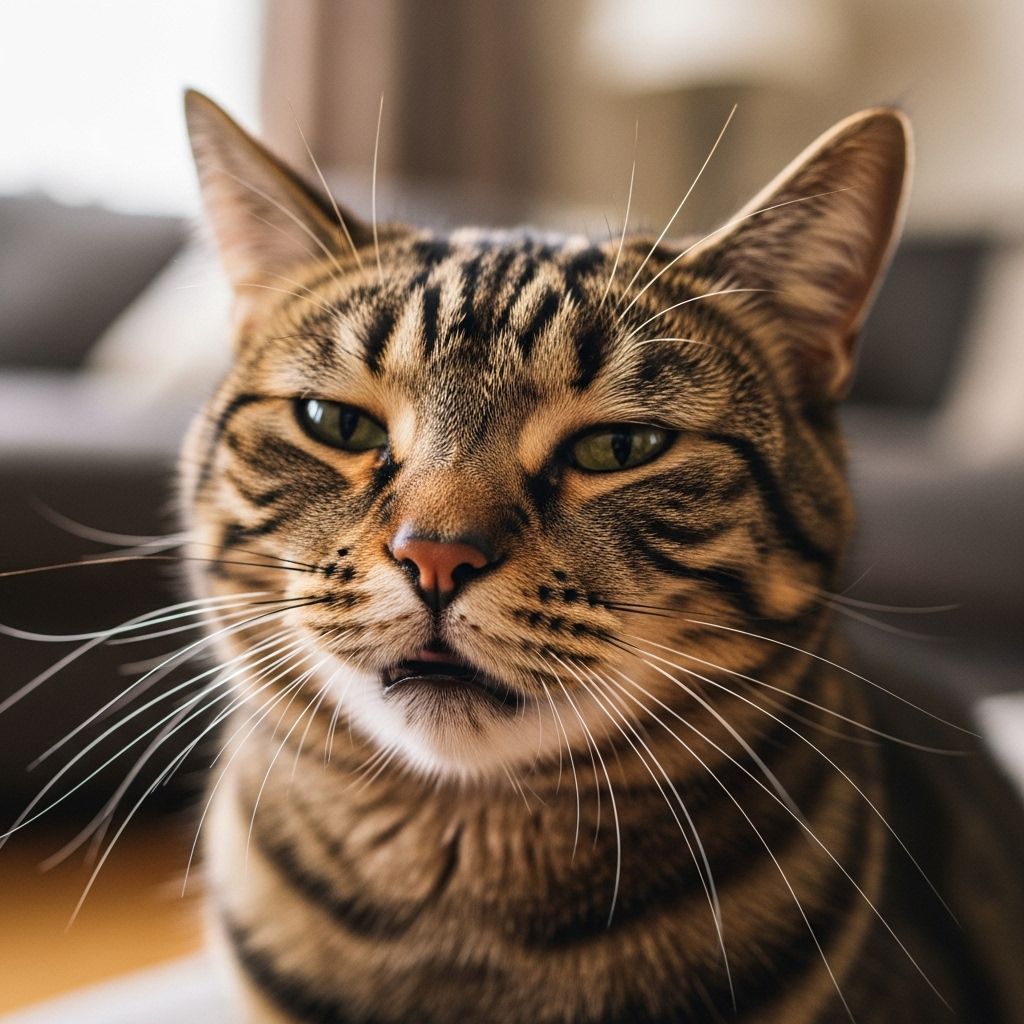
Cats can suffer from nasal congestion due to allergies, infections, or irritants, leaving them uncomfortable and sometimes struggling to breathe. While sneezing is a cat’s natural way of clearing irritants from their nose, there are situations where mild home care can help, especially when guided by a veterinarian. This article walks you through safe, humane, and vet-approved methods for encouraging your cat to sneeze and effectively clear their nose, as well as crucial precautions and the importance of professional guidance.
Table of Contents
- Understanding Cat Sneezing
- Consult Your Veterinarian First
- Safe Methods to Induce Sneezing
- Additional Tips for Nasal Relief
- Important Precautions
- When to Call the Veterinarian
- Frequently Asked Questions
Understanding Cat Sneezing
Sneezing is a reflex that helps expel irritants, mucus, or particles from a cat’s nasal passages. Occasional sneezing can be harmless, but when it becomes frequent or is accompanied by other symptoms, it may signal an underlying health concern. Understanding the causes of sneezing is key to choosing appropriate at-home remedies.
- Common Causes: Allergies, dust, viral or bacterial infections, irritants, or dry air.
- Symptoms to watch: Persistent sneezing, nasal discharge, lethargy, loss of appetite, or breathing difficulty.
Consult Your Veterinarian First
Always consult a veterinarian before attempting to induce sneezing or administer new treatments. Vets can determine the cause of your cat’s congestion and rule out serious conditions like respiratory infections or foreign objects obstructing the nasal passages. Regular checkups and vaccinations play a critical role in preventing severe health issues.
- Never use human medications or treatments meant for people without veterinary approval.
- A vet can recommend and supervise safe interventions, especially if your cat’s symptoms are persistent, worsening, or accompanied by other concerning signs.
Safe Methods to Induce Sneezing
If your cat’s nose is mildly congested, and your veterinarian supports at-home care, try the following safe, gentle methods to encourage sneezing and nasal clearance.
1. Steam Therapy / Nebulization
Steam helps loosen mucus and clear the nasal passages, facilitating natural sneezing and congestion relief.
- How to do it:
- Take your cat into the bathroom and shut the door and windows.
- Run a hot shower to fill the room with steam (never place your cat in hot water or allow them direct contact with steam jets).
- Sit with your cat in the steamy bathroom for about 10–15 minutes.
- Tip: You can simply keep your cat nearby while you shower for ease and comfort.
- Frequency: Once daily, or as instructed by your veterinarian.
2. Non-Medicated Saline Nasal Spray
Saline sprays moisten and clear nasal passages without medication, which can help trigger sneezing and remove trapped mucus.
- Always use only vet-approved, pet-safe saline solutions.
- Application is often easiest with cooperative cats—confine them gently if needed and apply only as instructed.
- Never use medicated, scented, or human saline products.
- Check with your veterinarian before using this method, as some cats may not tolerate sprays.
3. Humidification
A humidifier adds moisture to indoor air, easing irritation and dryness in your cat’s airways.
- Place a humidifier in your cat’s resting area, but keep it out of direct reach.
- Regularly clean the humidifier to prevent mold or bacteria buildup.
- This method is particularly useful during dry winter months or for homes with low humidity.
4. Gentle Nose Tickle (Toy Stimulation)
Some cats can be gently encouraged to sneeze with harmless tactile stimulation.
- Use a soft feather or safe cat toy to delicately tickle your cat’s nose—this can trigger a sneeze and help clear loose mucus.
- Ideal after steam or saline treatments, as the mucus will be looser.
- Do not use household irritants or substances like pepper or dust, which can harm your cat.
Additional Tips for Nasal Relief
- Keep Your Cat Hydrated: Encourage your cat to drink more water, as hydration helps thin mucus and promotes natural clearance. Cat water fountains or adding more wet food to the diet can help.
- Proper Litter Selection: Use unscented, low-dust, or pellet-based litter to minimize nasal irritation. Scented or dusty litter can exacerbate sneezing and congestion.
- Cleaning the Muzzle and Eyes: If your cat has nasal or ocular discharge, gently clean it with a warm, damp cotton ball. Do not insert anything into the nose or eyes; simply wipe the outer surfaces.
- Kitty Burrito for Safe Handling: If your cat is squirmy, gently wrap them in a towel (‘kitty burrito’) to safely apply treatments or perform cleaning.
Important Precautions
- Never expose your cat to intentional irritants such as pepper, dust, household sprays, or scented candles in an attempt to make them sneeze. These substances may worsen congestion, cause inflammation, or lead to respiratory distress.
- Avoid human medications or treatments not explicitly prescribed for cats by a veterinary professional. Even common cold remedies for people can be dangerous to cats.
- Do not force your cat to undergo treatments that cause distress or are resisted strongly, as this can result in injury or trauma for the cat or the person handling it.
- Saline sprays should only be used after vet consultation, as improper use or excessive application may be ineffective or harmful.
- Monitor for allergy triggers: Environmental irritants (like strong cleaners, cigarette smoke, or changes in litter) can make matters worse—remove these as much as possible.
When to Call the Veterinarian
While mild sneezing and nasal congestion may pass with supportive care, certain signs require immediate veterinary attention. Contact your vet if your cat displays any of the following:
- Persistent sneezing lasting more than a few days without improvement
- Thick, colored nasal discharge
- Labored or open-mouth breathing
- Loss of appetite or marked lethargy
- Swelling of the nose or face
- Bleeding from the nose
- Other concerning signs, such as coughing or vomiting
Veterinary care is essential for diagnosing respiratory infections, allergies, foreign objects, dental issues, or other serious underlying conditions that cannot be managed at home.
Frequently Asked Questions (FAQs)
Q: Can I use over-the-counter human cold or allergy medications for my cat’s congestion?
A: No. Human medications are often toxic to cats and should never be used unless explicitly prescribed by your veterinarian.
Q: Is it safe to use essential oils or menthol around my cat to help them breathe?
A: No. Many essential oils and menthol products are toxic to cats and should be avoided entirely in homes with cats.
Q: How can I tell if my cat’s sneezing needs urgent care?
A: Seek immediate veterinary attention if your cat’s sneezing is accompanied by breathing difficulties, severe lethargy, no appetite, severe discharge, bleeding, or facial swelling.
Q: My cat refuses to let me use a saline spray or be in the bathroom with steam. Are there alternatives?
A: Focus on environmental adjustments such as adding a humidifier to your cat’s environment, ensuring hydration, using low-dust litter, and regular cleaning of nasal and eye discharge. Consult your vet for other options tailored to your cat’s temperament.
Q: Are saline sprays necessary, or can most cats recover without them?
A: Saline sprays are often used for moderate congestion but are not always necessary in mild cases. Simple steam or humidity, cleaning, and proper hydration are often sufficient for mild symptoms, but a veterinarian should direct their use.
Summary Table: Cat Sneezing Relief Home Remedies
| Method | How It Helps | Precautions |
|---|---|---|
| Steam Therapy | Loosens mucus, facilitates sneezing | Never leave cat alone; avoid hot water contact |
| Saline Nasal Spray | Moistens nasal passages | Vet approval required; use pet-safe only |
| Humidifier | Adds moisture to air, soothes nose | Clean regularly to prevent mold growth |
| Toy Stimulation | Triggers sneeze reflex | Use only safe cat toys, not irritants |
| Environmental Adjustments | Reduces dust/allergen exposure | Choose low-dust, unscented litter |
Key Takeaways
- Never force sneezing with irritants or unsafe practices. Use only gentle, vet-approved methods and monitor your cat’s response.
- Consult your veterinarian before attempting any new treatment or if congestion is persistent or severe.
- Address the underlying cause, not just the symptom, for your cat’s ongoing health and comfort.
Similar Articles



Read full bio of Sneha Tete