Natural Remedies for Ear Mites in Dogs: Safe and Effective Treatment Options
Discover natural methods to treat and prevent ear mites in dogs, reducing discomfort and supporting your pet's long-term ear health.
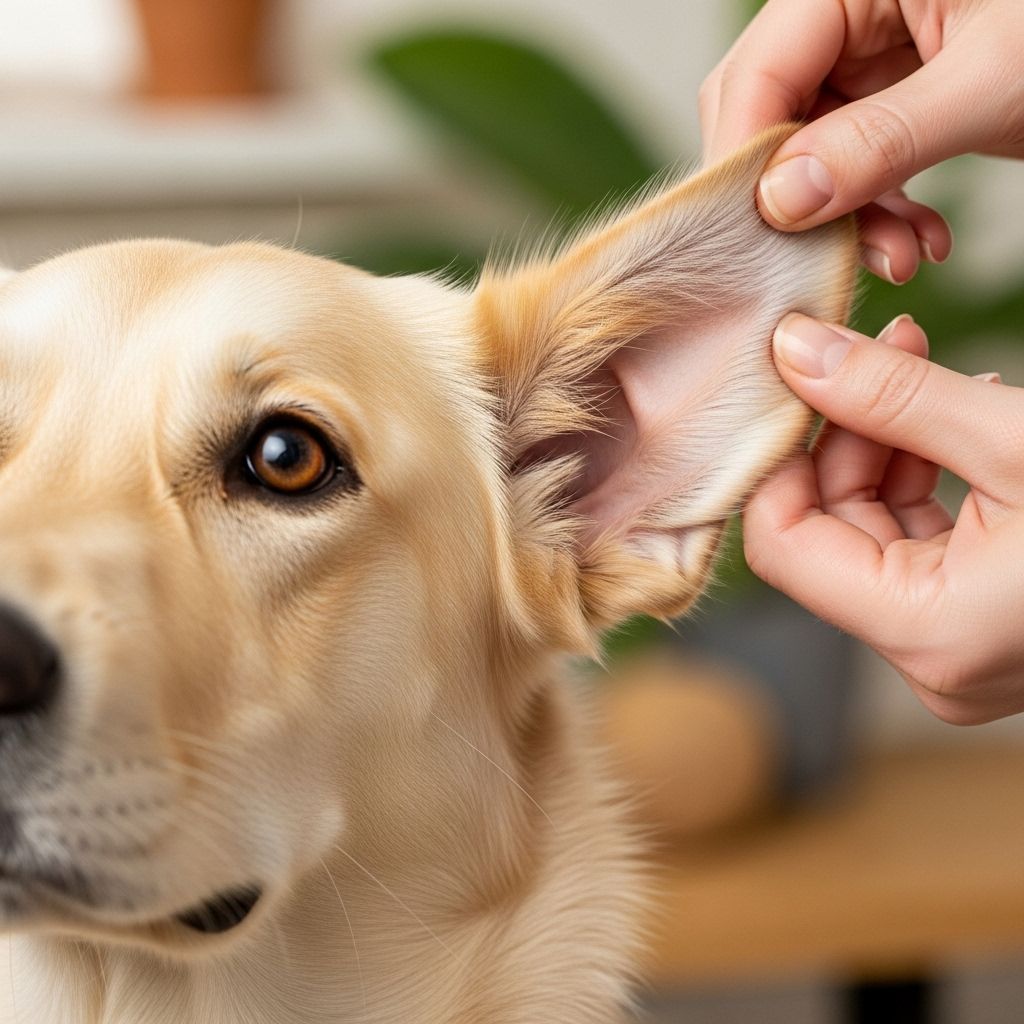
Natural Remedies for Ear Mites in Dogs
Ear mites are a common problem for dogs, causing discomfort and potential complications if left untreated. While conventional medications exist, many pet owners prefer more natural and gentle approaches. This guide explores safe, effective natural remedies for treating and preventing ear mites in dogs, including the use of olive oil, garlic oil, green tea, prevention strategies, when to seek veterinary help, and answers to frequently asked questions.
What Are Ear Mites?
Ear mites are microscopic parasites (Otodectes cynotis) that commonly infest the ears of dogs. These pests feed on ear wax and skin oils, and their presence triggers symptoms like intense itching, inflammation, and the buildup of dark, crumbly debris inside the ear canal. If not properly addressed, ear mites can lead to secondary infections and damage to the ear tissue.
- Common signs: Scratching at ears, head shaking, dark discharge resembling coffee grounds, redness, and swelling.
- Other pets at risk: Ear mites are contagious among household pets, so check cats and other dogs for symptoms.
Conventional Treatment Options for Ear Mites
Veterinarians commonly prescribe topical anti-parasitic medications or oral drugs like ivermectin to paralyze and kill ear mites. While effective, pharmaceuticals carry risks and possible side effects such as:
- Skin irritations and allergic reactions
- Neurotoxicity — including seizures, vomiting, and loss of coordination, especially with long-term use
- Potential damage to the immune system over time
Given these concerns, natural, home-based remedies are increasingly preferred for mild to moderate infestations and as supplemental care. Always consult your veterinarian before starting any new treatment, especially if symptoms are severe or persistent.
Natural and Home Remedies for Ear Mite Treatment
1. Olive Oil Method
Olive oil is a gentle, natural solution that helps suffocate ear mites and promotes healing of irritated tissue.
- Clean the ear with olive oil, removing as much debris as possible.
- The oil asphyxiates the mites by restricting their oxygen supply.
- Use a dropper to apply a few drops inside each ear canal.
- Massage the base of your dog’s ear gently to help distribute the oil.
- Repeat every 3 days for 2 weeks, matching the mite’s 4-day lifecycle for full eradication.
For enhanced benefits, you can add 1-3 drops of one essential oil per ounce of olive oil. Popular choices include:
- Peppermint: Soothes itching and has a mild anesthetic effect.
- Catnip: Helps control mites and soothe irritated ears.
- St. John’s Wort: Eases pain and supports healing of ear tissue.
- Calendula: Promotes skin healing and reduces inflammation.
2. Garlic Oil Treatment
Garlic is renowned for its anti-parasitic, antibacterial, and antifungal properties, making it effective against ear mites and associated secondary infections.
- Crush two to three fresh garlic cloves into a cup of olive oil.
- Let the mixture sit overnight to infuse.
- Strain out the solid garlic pieces and transfer the oil to a clean container.
- Apply a few drops of the garlic-infused oil into your dog’s ear canal with a dropper.
- Massage gently and repeat twice daily for at least one week.
The sulfur content in garlic helps repel mites, while the oil soothes irritation and helps control infection.
3. Green Tea Rinse
Green tea is a mild, natural antiseptic that cleans and soothes the ear canal, removing mite debris known as “coffee grounds.”
- Steep a tea bag or one tablespoon of loose green tea leaves in a cup of hot water for several minutes.
- Allow the tea to cool to room temperature.
- Use a dropper to place 3-4 drops into each ear canal.
- Gently massage the ears to distribute the tea.
- Dip a cotton ball in the cooled tea and use it to carefully wipe the inside of your dog’s ears.
- Repeat once daily for up to four weeks to ensure complete mite eradication.
4. Other Natural Soothing Solutions
While olive oil, garlic oil, and green tea are the most commonly recommended remedies, the following methods can provide additional support:
- Coconut oil: A natural moisturizer and mild antiseptic that provides extra soothing and may support healing.
- Apple cider vinegar solution: Dilute with water (equal parts) and use as an ear rinse; effective for cleaning but may sting if the ear is irritated.
- Vitamin E: Can be mixed with olive oil for added skin-healing benefits.
Prevention: How to Stop Ear Mites from Coming Back
Once you have treated ear mites, maintaining ear health and preventing reinfection are crucial.
- Support your dog’s immune system: Feed fresh, whole foods, with essential nutrients and probiotics.
- Keep ears dry: Dry ears thoroughly after bathing or swimming to create an environment unfavorable to mites.
- Regular ear checks: Inspect ears weekly for signs of mites, infection, or irritation.
- Minimize chemical exposure: Avoid harsh cleaning agents, pesticides, and pharmaceuticals to protect immune health.
- Maintain a clean living environment: Regularly wash bedding and toys, vacuum frequently, and reduce contact with animals that might carry mites.
Proactive care and hygienic practices are your best defense against future infestations.
When to See a Veterinarian
While natural remedies are safe for mild cases, professional veterinary guidance is essential when:
- The infestation is severe or persistent.
- Your dog has open sores, pus, foul odor, or signs of systemic illness.
- There is no improvement after several days of treatment.
- You are unsure whether symptoms are caused by mites or another underlying condition.
Prompt veterinary care can prevent complications such as bacterial infections, chronic ear inflammation, or hearing loss.
Table: Comparison of Natural Remedies for Ear Mites in Dogs
| Remedy | Key Benefit | How to Use | Main Precautions |
|---|---|---|---|
| Olive Oil | Suffocates mites, soothes skin | Apply a few drops, massage ear, repeat every 3 days | Avoid use in puppies |
| Garlic Oil | Antiparasitic, antibacterial, antifungal | Infuse olive oil with garlic overnight; apply drops twice a day | Use fresh garlic only; avoid excessive amounts |
| Green Tea | Cleans, antiseptic, reduces debris | Steep tea, cool, use dropper and cotton ball once daily | Ensure tea is cool before use |
| Coconut Oil | Moisturizes, mild antiseptic | Melt, apply small amount with cotton ball | Do not use if there are open wounds |
| Apple Cider Vinegar | Cleaning, mild disinfectant | Mix equal parts water and vinegar; wipe gently | May sting irritated tissue |
Frequently Asked Questions (FAQs) About Dog Ear Mites
Q: What are the first signs of ear mites in dogs?
A: The most common signs include frequent scratching at the ears, head shaking, a dark crumbly discharge that resembles coffee grounds, redness, and swelling inside the ear.
Q: Are natural remedies safe for all dogs?
A: Most natural remedies are gentle and safe for adult dogs, but it’s best to consult your veterinarian before using them—especially on puppies or dogs with other health conditions.
Q: How quickly do ear mites multiply?
A: Ear mite eggs hatch every 4 days, which is why consistent treatment for at least 2 weeks is recommended to cover their life cycle and prevent reinfestation.
Q: Can ear mites cause permanent damage?
A: Severe or untreated ear mite infestations can lead to chronic inflammation, secondary infections, and tissue damage, so prompt treatment is essential.
Q: What if my dog’s symptoms do not improve after natural treatment?
A: If you do not see improvement after several days, or if symptoms worsen, consult your veterinarian. Persistent symptoms may signal a more serious infection or a different underlying condition that requires professional care.
Key Takeaways for Pet Owners
- Ear mites are uncomfortable but treatable using safe, natural remedies when caught early.
- Olive oil, garlic oil, and green tea are the most effective home treatments for mild cases.
- Prevent reinfection by practicing good hygiene, regular ear checks, and supporting your pet’s immune system.
- Severe or prolonged cases require veterinary assessment to avoid complications.
Final Tips for Healthy Ears
Always introduce any remedy gradually and observe your dog for adverse reactions. Natural remedies are best for mild symptoms and prevention; for heavy infestations or underlying issues, medical evaluation is crucial. Keep all pets in the household monitored and treated as necessary to prevent re-infestation.
- Regular grooming and cleaning are vital for overall ear health.
- If in doubt, always consult a holistic or conventional veterinarian to ensure the right approach for your individual pet.
Similar Articles







Read full bio of medha deb