Pink Toe Tarantulas as Pets: Complete Care and Ownership Guide
Discover everything you need to know about keeping Pink Toe Tarantulas—from habitat and diet to handling, health, and FAQs.
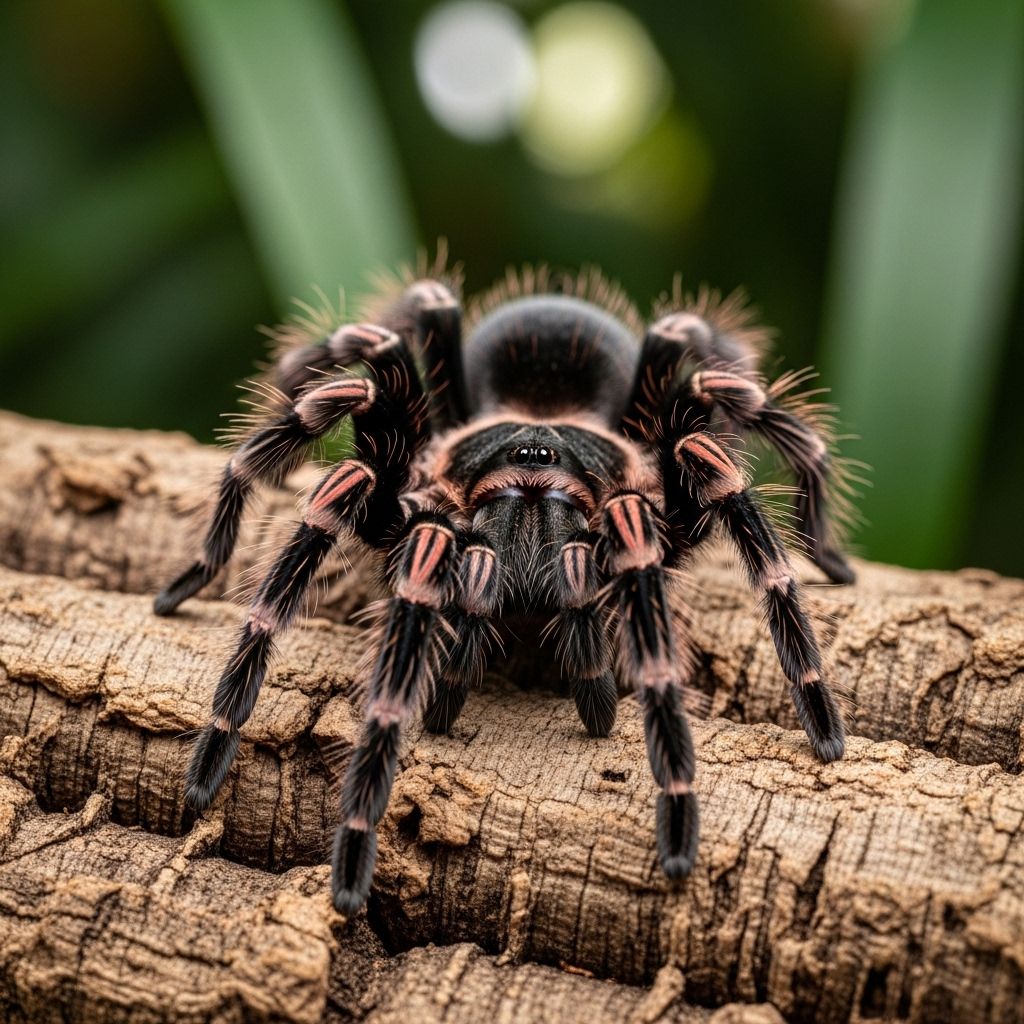
Among the most popular and visually striking exotic pets, Pink Toe Tarantulas (Avicularia species and close relatives) captivate keepers with their vibrant coloration, unique climbing habits, and relatively gentle nature. If you are considering adding a Pink Toe Tarantula to your collection or are simply intrigued by these fascinating spiders, this comprehensive guide will walk you through every essential aspect of their care, from habitat requirements to diet, handling, and health.
Pink Toe Tarantula Overview
- Common Name: Pink Toe Tarantula
- Scientific Names: Avicularia avicularia, Caribena versicolor, and related species
- Origin: Tropical and subtropical rainforests of Central and South America
- Lifespan: 5–10 years for males, up to 12 years or more for females
- Size: 4–6 inches leg span at maturity
- Difficulty Level: Beginner to intermediate
Pink Toe Tarantulas are known for their distinct pink-tipped feet, contrasting with their darker bodies and, in some species, iridescent blue or green hues. Arboreal by nature, they readily climb and build extensive webs among branches and plants. Their unique appearance and relatively docile temperament contribute to their popularity among tarantula enthusiasts.
Behavior and Temperament
Many hobbyists appreciate Pink Toe Tarantulas for their generally calm and non-aggressive disposition. While they are not as tolerant of frequent handling as some terrestrial species, they are usually less defensive than many Old World tarantulas. Key behavioral traits include:
- Docile but Fast: Pink Toes rarely show aggression but can move quickly when startled. Sudden movement may cause them to leap or sprint, so caution is advised during interactions.
- Web Builders: They construct elaborate silk retreats in the upper areas of their enclosures, making vertical habitat features essential.
- Flicking Hairs: Unlike terrestrial species, Pink Toes tend not to flick urticating hairs in defense; instead, they may try to escape rapidly or jump.
- Climbers: Arboreal tendencies make climbing an instinct—falls can be dangerous or even fatal; always handle close to soft surfaces.
Housing Requirements
Enclosure Size and Type
As arboreal spiders, Pink Toe Tarantulas thrive in vertically-oriented enclosures that offer plenty of climbing space. Appropriate enclosure options include:
- For adults, a minimum enclosure measuring 12”x12”x18” (LxWxH), though 12”x12”x20” is ideal. For juveniles and spiderlings, smaller enclosures with secure lids can be used until they reach maturity.
- All enclosures must be escape-proof, with secure lids and adequate cross-ventilation to prevent stagnation and reduce risk of mold growth.
Substrate and Decor
- Substrate: Use moisture-retaining substrates like coconut fiber, peat moss, or eco earth. A depth of 2–4 inches suffices, primarily for humidity control since Pink Toes seldom burrow.
- Hardscape: Provide plenty of vertical structures: cork bark, branches, and driftwood to mimic natural tree habitats.
- Plants: Both live and artificial plants can be used for cover, humidity, and climbing opportunities. Live plants thrive well in a bioactive setup with deep substrate and springtail cleaners.
Humidity and Water
- Humidity: Maintain humidity between 65% and 85%, avoiding extremes or constant wetness. Achieve this by misting lightly once or twice a week and using moist substrate. Excessive wetness can be harmful and promote mold growth.
- Water: Always provide a shallow water dish with fresh, clean water. Spiderlings may drink from droplets on webbing or enclosure walls after misting.
Temperature and Lighting
- Temperature: Optimal range is 72–80°F (22–27°C), with tolerance for brief fluctuations between 65–85°F (18–29°C).
- Lighting: No special lighting is needed. Ambient room light suffices. If using live plants or for display purposes, use a gentle LED or low-heat lamp, but avoid strong UV or heat lamps directly over the enclosure.
Diet and Feeding
Pink Toe Tarantulas are carnivorous ambush predators. Their diet consists primarily of live insects, with feeding needs varying by age and size.
| Life Stage | Typical Prey | Feeding Frequency |
|---|---|---|
| Spiderlings (slings) | Pinhead crickets, fruit flies, or small pre-killed roaches | 1-2 times per week |
| Juveniles | Small to medium crickets, mealworms, or roach nymphs | Once a week |
| Adults | Large crickets, dubia roaches, locusts, or the occasional superworm | Once a week or every other week (may fast for weeks while premolt) |
- Feed only appropriately sized prey—no bigger than 2/3 the size of the tarantula’s body for slings and juveniles. Overly large prey can stress or injure your spider.
- Remove uneaten prey after 24 hours to prevent stress or harm to a molting tarantula.
- Pink Toes can safely skip meals for extended periods, especially before and during molt.
Molting
Molting is a natural part of a tarantula’s growth cycle, where the spider sheds its exoskeleton. Key points to note about molting:
- Prior to molt, the tarantula may refuse food, become less active, and darken in color.
- During molt, the spider will lay on its back or side, sometimes appearing lifeless.
- Never disturb a molting tarantula. Remove live prey before molt begins to prevent injury.
- Post-molt, soft exoskeletons are vulnerable. Avoid feeding for several days until the new exoskeleton hardens.
Handling and Interaction
- Limited Handling: While Pink Toe Tarantulas can be handled more easily than some other species, handling should be occasional and gentle. Limit sessions to 5–10 minutes, once per week at most.
- Avoid Drops: Always handle over a soft surface at low heights. Their bodies are fragile and a fall, even from a short distance, can be fatal.
- Escape Risks: These spiders are swift and can leap or bolt suddenly. Ensure the area is secure and distractions are minimized.
- Reaction to Threats: If threatened, Pink Toes may leap away rather than bite or flick hairs. Bites are extremely rare and generally less severe than a bee sting.
Cleaning and Maintenance
- Spot Cleaning: Remove uneaten prey within 24 hours and spot clean visible waste or mold patches regularly.
- Deep Cleaning: Every 3–6 months, replace substrate as needed and clean the enclosure with mild soap and rinse thoroughly. Avoid strong chemicals.
- Water Dish & Misting: Refill and clean water dishes several times a week and mist the enclosure lightly to maintain humidity.
- Pest Prevention: Bioactive setups may include springtails or isopods as a clean-up crew. Avoid letting fungi or mites proliferate by maintaining airflow and cleanliness.
Common Health Issues
- Dehydration: Indicated by shriveled abdomens or lethargy. Always provide water and maintain appropriate humidity.
- Injury from Falls: Avoid handling high above the ground.
- Mites and Mold: Occur in overly damp, poorly ventilated enclosures. Maintain cross-ventilation and avoid soggy conditions.
- Failed Molts: Often due to dehydration or low humidity. Raising humidity slightly during pre-molt can help, but avoid constant wetness.
Breeding Notes
Breeding Pink Toe Tarantulas is possible but not without challenges. Males mature sooner and have shorter lives. Introducing males to females must be done carefully to prevent aggression or cannibalism. The process requires detailed observation, ideal conditions, and patience. For most keepers, it’s best to focus on pet care rather than breeding unless well informed and prepared.
Pros and Cons of Pink Toe Tarantulas as Pets
| Pros | Cons |
|---|---|
|
|
Frequently Asked Questions (FAQs)
Q: Are Pink Toe Tarantulas venomous?
A: All tarantulas possess venom, but Pink Toe Tarantula bites are generally mild, with reactions similar to (or less severe than) a bee sting. They are not considered dangerous to humans unless allergies are present.
Q: How often do Pink Toe Tarantulas need to eat?
A: Typically, adults eat once a week or every other week, while juveniles and spiderlings require slightly more frequent feedings. Periodic fasting is normal, especially before molting.
Q: What is the best humidity for Pink Toe Tarantulas?
A: Target a humidity of 65% to 85% for optimal health. Achieve this through lightly misting the enclosure, using moisture-retaining substrate, and providing a water dish. High airflow helps prevent mold.
Q: Are Pink Toe Tarantulas good pets for beginners?
A: With proper research and preparation, Pink Toe Tarantulas can be suitable for careful beginners willing to respect their requirements for climbing space, humidity, and occasional handling. Their relative hardiness and visual appeal make them a favorite among novices and experienced keepers alike.
Q: Can Pink Toe Tarantulas be kept together?
A: No. Pink Toe Tarantulas are solitary and may become cannibalistic or stressed if housed with others. Each individual requires its own secure enclosure.
Q: How can I sex my Pink Toe Tarantula?
A: Sexing is challenging in young spiders but possible by examining shed exoskeletons (molts) under magnification for female spermathecae. Males develop more slender bodies and tibial hooks as they mature.
Final Tips for Success
- Be patient. Pink Toe Tarantulas grow slowly, especially as spiderlings.
- Invest in a quality, secure arboreal enclosure with cross-ventilation.
- Balance humidity and airflow to avoid common health issues.
- Enjoy their natural behaviors—observe more, handle less.
- Stay informed. Join online exotic pet forums for community support and fresh ideas.
Pink Toe Tarantulas reward their keepers with fascinating behaviors and captivating beauty. With the right care, they make an outstanding addition to the collection of any exotic pet lover seeking a unique and relatively low-maintenance arachnid companion.
Similar Articles







Read full bio of Sneha Tete