Urinary Tract Blockage in Cats: Causes, Treatment, and Care
Understanding, preventing, and treating urinary tract blockages in cats to ensure their well-being and long-term health.
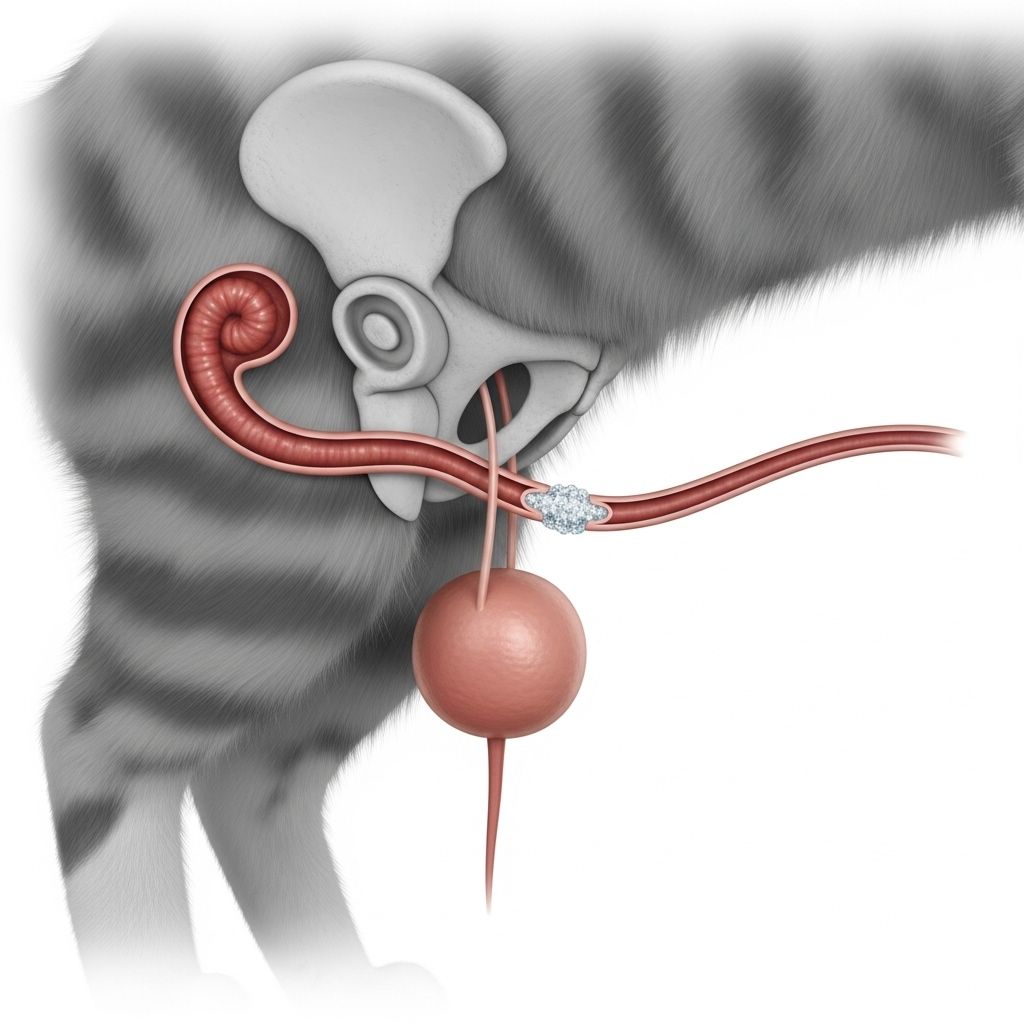
Urinary tract blockages are a serious and potentially life-threatening condition in cats, particularly affecting male felines. Timely recognition and intervention can mean the difference between recovery and fatal complications. This comprehensive guide covers symptoms, causes, emergency care, treatment options, and long-term management for cat owners seeking to protect their feline companions.
What Is a Urinary Tract Blockage in Cats?
A urinary tract blockage occurs when the flow of urine from the bladder through the urethra is partially or completely obstructed, preventing the cat from urinating properly. This obstruction is most commonly seen in male cats due to their narrower and longer urethra.
A blockage causes urine—and toxins it normally carries out of the body—to back up into the bladder and kidneys. This leads to pain, rapid buildup of dangerous waste in the bloodstream, and ultimately, organ failure if not treated urgently. The condition is grouped under Feline Lower Urinary Tract Disease (FLUTD), which encompasses a range of urinary issues in cats.
Why Is Urinary Tract Blockage an Emergency?
A blocked urinary tract is a veterinary emergency. Without swift intervention, a cat can die within 24 to 48 hours due to kidney failure, severe electrolyte imbalances, and heart complications. The inability to urinate is an urgent problem that can quickly become fatal.
- Toxins accumulate quickly in the bloodstream, affecting multiple organs.
- Potassium levels can spike suddenly (hyperkalemia), leading to life-threatening heart arrhythmias.
- Kidneys are damaged when urine pressure backs up.
- Delays in treatment increase the risks of rupture, sepsis, and death.
Symptoms of Urinary Tract Blockage in Cats
Cats experiencing a urinary blockage may show a range of acute and sometimes subtle symptoms. Recognizing these early is critical:
- Straining to urinate, often mistaken for constipation
- Frequent, unproductive trips to the litter box
- Crying out or vocalizing while trying to urinate
- Producing only a few drops of urine or none at all
- Blood in the urine
- Excessive licking of the genital area
- Loss of appetite
- Vomiting
- Lethargy or weakness
- Collapse, in severe cases
- Painful or distended abdomen
- Hiding or behavioral changes (restlessness, aggression)
These signs often develop rapidly. Any cat showing these symptoms requires immediate veterinary evaluation.
Causes of Urinary Tract Blockage
Several underlying conditions or factors can result in a urinary blockage. Common causes include:
- Urethral plugs: Soft material (minerals, cells, mucus) can form plugs blocking the urethra, especially in younger male cats.
- Uroliths (urinary stones): Mineralized stones, commonly struvite or calcium oxalate, can lodge in the urethra.
- Crystals: Tiny crystals can accumulate and form larger obstructions.
- Inflammation: Swelling from infection or irritation narrows the urinary tract, making blockages more likely.
- Bladder disease: Diseases such as feline idiopathic cystitis create inflammation and increase the risk of obstruction.
- Tumors: Though rare, growths may partially or fully block urine flow.
- Structural abnormalities: Congenital defects or strictures may predispose some cats to repeated blockages.
Male cats are at much higher risk due to their anatomy; the urethra in male cats is both longer and narrower than in females.
Risk Factors for Urinary Blockage
Certain cats have a higher likelihood of developing urinary blockages:
- Male cats (especially neutered males ages 1-10 years)
- Cats with a history of FLUTD or prior urinary blockages
- Obese or overweight cats
- Cats eating mostly dry food diets (lower water intake)
- Inadequate water consumption
- Stressful environments
- Indoor-only cats, especially with limited activity
- Cats with certain medical conditions (e.g. kidney disease, diabetes)
Diagnosing a Urinary Blockage
Diagnosis begins with a thorough physical exam, followed by specific diagnostic tests:
- Palpation of the bladder by a veterinarian to check for distension or firmness
- Urinalysis to detect crystals, blood, pus, and abnormal urine chemistry
- Bloodwork to evaluate kidney function, electrolytes (especially potassium), and overall health
- Imaging (X-rays or ultrasound) to identify stones, plugs, or tumors
- Cultural testing if infection is suspected
Timely diagnosis is crucial in order to promptly relieve the blockage and prevent irreversible kidney damage.
Treatment of Urinary Tract Blockage in Cats
Treating a urinary tract blockage is an emergency procedure performed under sedation or anesthesia. The goals are to relieve the obstruction, stabilize the cat’s condition, and address underlying causes.
1. Emergency Intervention
- Catheterization: A sterile catheter is carefully inserted through the urethra to flush out or dislodge the obstruction. This allows urine to drain and relieves bladder pressure.
- Pain management: Pain medication is administered to alleviate distress.
- Fluid therapy: Intravenous (IV) fluids correct dehydration, support kidney function, and help stabilize electrolyte imbalances.
- Electrolyte management: Special treatment, such as calcium gluconate and glucose/insulin, may be used to rapidly decrease life-threatening potassium levels.
- Antibiotics: If infection is present or suspected, antibiotics are prescribed.
The urinary catheter will often be left in place for 24–72 hours to ensure complete urine drainage and to reduce swelling. Cats are monitored closely during this period.
2. Medical Management
After initial stabilization, additional therapies may be needed:
- Continued IV fluids to maintain hydration and promote kidney recovery
- Prescription urinary diets to dissolve stones and prevent recurrence
- Urinary acidifiers or other specific medications as needed
- Anti-inflammatory or antispasmodic medications to reduce pain and urethral swelling
- Monitoring of kidney values, urine output, and electrolytes
3. Surgical Options
Surgery is indicated when obstruction cannot be relieved with catheterization, or when there is a persistent underlying cause:
- Cystotomy: Surgical removal of bladder stones if they are large or numerous
- Perineal urethrostomy (PU): A specialized surgery that widens the urethra (mainly used for male cats with recurring blockages). It makes the urethral opening more like that of a female cat, lowering recurrence risk.
- Treatment of tumors or strictures as needed
All surgical interventions carry risks and require a careful assessment by the attending veterinarian. PU does not guarantee the prevention of future lower urinary tract symptoms but can greatly reduce risk of obstruction.
Prognosis and Recovery
With prompt and appropriate treatment, most cats make a full recovery from their first episode of urinary blockage. Key factors affecting prognosis include:
- Duration and severity of the blockage prior to treatment
- Underlying health issues (such as chronic kidney disease)
- How many times the cat has experienced blockage
Some complications can arise, including:
- Urinary tract infections
- Recurring blockages
- Chronic kidney impairment
- Leakage at the site of PU surgery
Follow-up care is essential, including close observation for recurring symptoms, regular veterinary exams, and strict adherence to dietary and medication plans.
Long-Term Management and Prevention
Cats that have experienced a urinary blockage are at increased risk for future episodes. Proactive prevention focuses on several key strategies:
- Dietary Changes: Feeding prescription urinary diets (formulated for urinary health) or switching to a moisture-rich wet food to reduce urine concentration and manage pH.
- Hydration: Encouraging higher water intake by offering multiple bowls, water fountains, and wet food. Mixing water into food can further help hydrate cats naturally.
- Weight Management: Maintaining a healthy weight reduces risk.
- Litter Box Hygiene: Keeping boxes clean and in quiet, low-stress locations encourages regular urination.
- Stress Reduction: Creating a calm, enriched environment with ample play, hiding spots, climbing spaces, and interactive activities.
- Routine Vet Visits: Regular check-ups and diagnostic monitoring catch problems early and adjust prevention plans promptly.
For some cats, long-term medications or adjustments to the environment may be recommended to further reduce flare-ups and recurrences.
Frequently Asked Questions (FAQs)
Q: How can I tell if my cat has a urinary blockage?
A: Look for signs such as straining to urinate, frequent litter box visits with little or no urine, vocalizing during urination, licking the genitals, vomiting, and lethargy. These signs require immediate veterinary attention.
Q: Which cats are most at risk?
A: Male cats between one and ten years old are most at risk, particularly if they are overweight, eat dry food, or live in low-activity or stressful environments.
Q: Can I treat a blocked cat at home?
A: No. Urinary blockage is a true emergency. Attempting to treat it at home can result in death and suffering. Immediate veterinary intervention is critical.
Q: Will my cat be normal after treatment?
A: Most cats recover well and regain normal quality of life after timely treatment. However, recurrence is possible, so long-term preventive care and monitoring are required.
Q: How can I prevent urinary blockages?
A: Focus on feeding a urinary health diet, maximizing hydration, managing stress, keeping litter boxes clean, and keeping up with regular veterinary care.
Q: Is surgery always necessary?
A: No. Most cases can be managed with medical (catheter) intervention and supportive care, but surgery such as perineal urethrostomy or cystotomy may be required in recurrent or complicated cases.
Summary Table: Cat Urinary Tract Blockage at a Glance
| Aspect | Details |
|---|---|
| Common Symptoms | Straining to urinate, vocalizing, little/no urine, blood in urine, lethargy |
| Main Causes | Urethral plugs, urinary stones, inflammation, tumors, anatomical issues |
| Highest Risk | Male cats (1-10 years), overweight, dry food diets, low water intake |
| Immediate Treatment | Catheterization, sedation, IV fluids, pain control, electrolyte balancing |
| Long-term Prevention | Prescription diet, hydration, stress management, regular veterinary exams |
| Surgical Options | Perineal urethrostomy, cystotomy, removal of tumors or strictures |
| Prognosis | Good with timely care, but recurrences and complications possible |
When to See a Veterinarian
If you witness any signs of urinary distress or blockage in your cat, seek emergency care immediately. Even short delays can be fatal. Early intervention preserves your cat’s life and minimizes long-term complications.
Key Takeaways for Cat Owners
- Urinary tract blockages are common, especially in male cats, and always an emergency.
- Typical symptoms are straining, little urine output, vocalizing, and lethargy.
- Treatment involves urgent catheterization, fluid therapy, and sometimes surgery.
- Prevention focuses on proper diet, hydration, stress reduction, and regular veterinary care.
- With diligent management and prompt care, most cats can return to a happy, healthy life.
Similar Articles







Read full bio of Sneha Tete