Understanding Urinary Tract Infections (UTIs) in Cats: Causes, Symptoms, Treatment, and Prevention
A comprehensive guide to urinary tract infections in cats, including symptoms, diagnosis, treatment, and preventive care for feline urinary health.
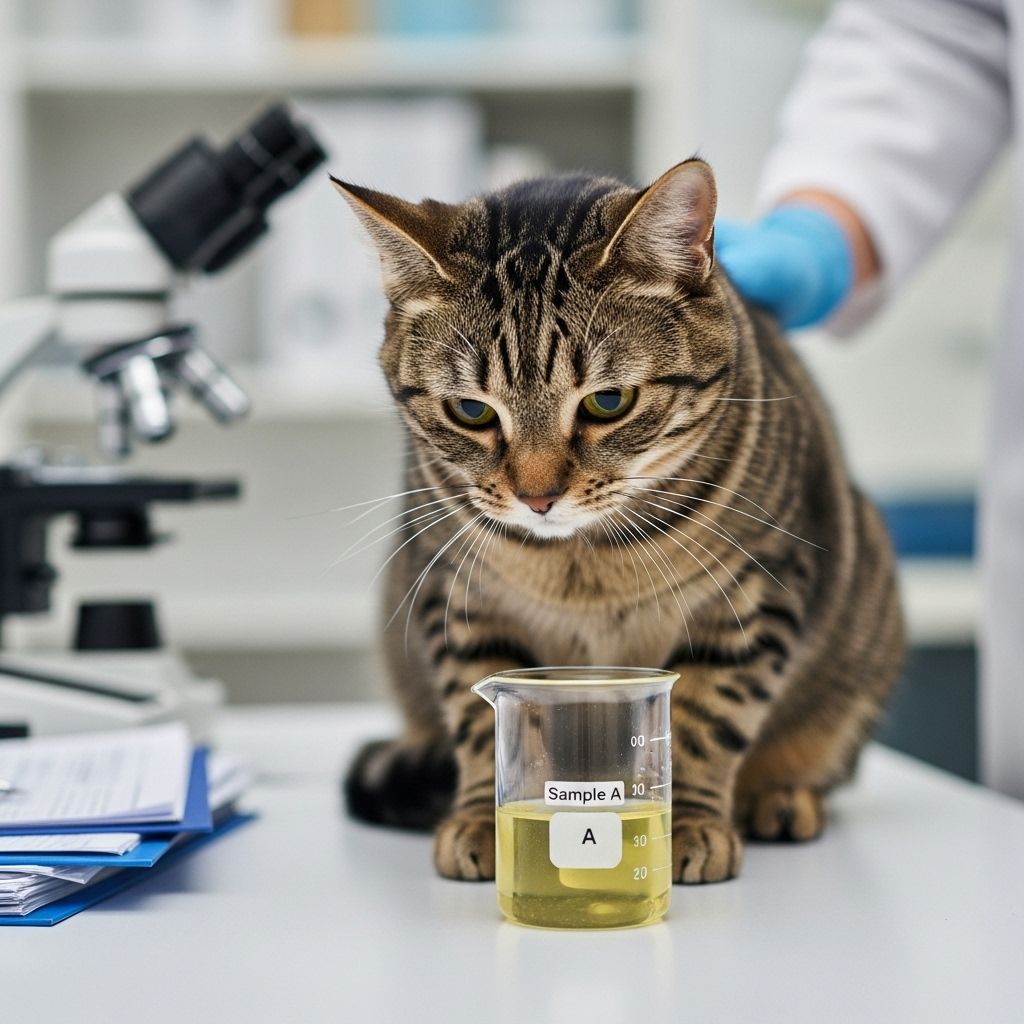
Urinary Tract Infections (UTIs) in Cats: Causes, Symptoms, Diagnosis, Treatment, and Prevention
Urinary tract infections (UTIs) in cats are a significant concern for pet owners, as they can cause discomfort, pain, and serious health complications if left untreated. This comprehensive guide covers everything you need to know about feline UTIs, including their symptoms, causes, diagnostic process, treatment options, and steps you can take to prevent future episodes.
What Are Urinary Tract Infections in Cats?
A urinary tract infection (UTI) in cats refers to the presence of bacteria or, less commonly, other pathogens, infecting the urinary system—primarily the bladder and urethra. UTIs may present acutely or become a chronic problem, and can significantly impact a cat’s wellbeing. Both male and female cats can be affected, although certain risk factors influence susceptibility.
How Do UTIs Develop in Cats?
UTIs are usually caused by bacteria ascending the urethra and colonizing the bladder. These infections can occur in otherwise healthy cats but are more common in those with underlying health conditions.
- Bacterial Infection: Most feline UTIs are the result of common bacteria, often originating from fecal material or contaminated litter, entering the urinary tract.
- Ascending Infection: Bacteria travel up the urethra and infect the lining of the bladder, resulting in inflammation and infection.
Types of Urinary Tract Issues in Cats
- UTI (Urinary Tract Infection): Bacterial infection within the urinary tract.
- Urolithiasis (Urinary Stones): Crystals or stones may form and irritate the bladder or urethra, sometimes mimicking or complicating UTI symptoms.
- Urethral Obstruction: Blockages from crystals, stones, or “plugs” can rapidly become life-threatening.
- Feline Idiopathic Cystitis (FIC): Bladder inflammation of unknown cause, common in adult cats, especially under stress.
Risk Factors for UTIs in Cats
- Age: Senior cats are more susceptible.
- Gender: Female cats, due to a shorter urethra, are at higher risk.
- Underlying medical conditions: Diabetes mellitus, chronic kidney disease, and urinary tract structural abnormalities predispose to infection.
- Dehydration: Cats with low water intake have concentrated urine, providing a favorable environment for bacteria.
- Stress: Stressful changes in environment or routine can compromise immune function.
- Inadequate hygiene: Dirty litter boxes and perineal contamination increase risk.
Causes of Urinary Tract Infections in Cats
- Bacterial contamination: Most common cause, often from E. coli or other gastrointestinal bacteria.
- Poor urinary flow: Conditions reducing urination (bladder stones, tumors, neurologic issues) allow bacteria to remain and multiply.
- Immune suppression: Weakened immunity, such as in older cats or those with chronic disease, increases risk.
- Dietary factors: Diets high in minerals and low in water may predispose to crystals and infection.
- Congenital abnormalities: Structural defects in the urinary tract can cause persistent infections.
Symptoms of UTIs in Cats
UTIs can present with a variety of signs, some subtle and others obvious. Recognizing these early can improve your cat’s outcome.
- Frequent attempts to urinate: Repeated trips to the litter box, often with little urine produced.
- Straining to urinate: Signs of difficulty or discomfort; may appear as squatting for long periods with minimal output.
- Painful urination: Meowing or crying out when urinating—a sign of discomfort or burning sensation.
- Blood in urine (hematuria): Red or pink discoloration, or visible blood spots in the litter.
- Urinating outside the litter box: Behavioral changes due to pain or urgency.
- Strong urine odor: More intense or foul-smelling urine.
- Excessive licking of genital area: Attempt to self-soothe or clean an area of irritation.
- Reduced urine volume: Producing only small amounts with each attempt.
- Lethargy and loss of appetite: Indications of system-wide discomfort.
- Vomiting or hard, distended abdomen: If present, may suggest more serious obstruction.
Warning! Signs of Urinary Blockage
In male cats especially, urinary blockage is an emergency. Signs can include:
- Inability to urinate
- Crying in pain
- Vomiting
- Lethargy or collapse
- Distended or painful abdomen
If you suspect a blockage, seek veterinary care immediately.
How Are UTIs Diagnosed in Cats?
UTI symptoms can overlap with other urinary tract diseases. Accurate diagnosis is essential for effective treatment.
- Veterinary physical exam: Includes palpation of the bladder, assessment of general health, and history taking.
- Urinalysis: Examines urine for bacteria, blood, white blood cells, crystals, pH, and specific gravity.
- Urine culture: Identifies the specific bacteria responsible and determines antibiotic sensitivity.
- Imaging: X-rays or ultrasound may be recommended to detect stones or structural abnormalities.
- Bloodwork: To assess for concurrent illness, such as kidney disease or diabetes.
Prompt diagnosis helps differentiate between UTI, bladder stones, feline idiopathic cystitis, and other conditions.
Treatment of Urinary Tract Infections in Cats
Treatment is tailored to the cause and severity. For bacterial infections, the mainstay is antibiotic therapy, but management often includes multiple strategies:
- Antibiotics: Selected based on urine culture results for optimal efficacy.
- Increased water intake: Encouraged through wet food diets, water fountains, or adding water to food to dilute urine and flush bacteria.
- Pain management: Analgesics may be prescribed to reduce discomfort.
- Dietary modification: If crystals or stones are involved, specialty diets may help dissolve or prevent recurrence.
- Treatment of underlying conditions: Managing chronic diseases like diabetes or kidney dysfunction is vital for long-term urinary health.
- Removal of blockages: For cats with urethral obstruction, immediate intervention is necessary to reestablish urine flow. This may involve catheterization or surgery.
- Surgical intervention: Rarely, surgery is required for recurring infections associated with anatomical abnormalities or stones.
What to Expect During Treatment
- Most cats improve within a few days of effective therapy, but the full course of antibiotics should always be completed.
- Follow-up urinalysis and cultures: Your vet may repeat testing to ensure the infection has resolved.
- Prevention of recurrence: Long-term management strategies may be needed for some cats.
Prognosis and Recovery
Prognosis for otherwise healthy cats diagnosed promptly and treated appropriately is excellent. Chronic or recurrent infections may signal underlying issues requiring long-term management. Cats recovering from obstruction or severe UTIs may need ongoing monitoring to prevent complications or further episodes.
Preventing UTIs in Cats
Prevention centers on reducing risk factors and supporting urinary health through lifestyle and care modifications:
- Promote good hydration: Encourage water drinking with clean, fresh water sources and wet food when possible.
- Keep litter boxes clean: Scoop at least daily, provide adequate boxes for multi-cat homes, and clean thoroughly weekly.
- Maintain a healthy diet: Ask your veterinarian about urinary health diets, especially if your cat is predisposed to crystals or stones.
- Minimize stress: Provide enrichment, predictable routines, hiding places, and pheromone diffusers to reduce anxiety.
- Regular veterinary check-ups: Early detection of kidney disease, diabetes, and other risk factors allows prompt intervention.
Table: Key Differences Between Cat UTI and Other Lower Urinary Tract Diseases
| Condition | Cause | Main Symptoms | Treatment |
|---|---|---|---|
| UTI | Bacterial infection | Frequent, painful urination, blood in urine | Antibiotics, increased fluids, treat underlying causes |
| Urolithiasis (Stones) | Mineral crystals/stones | Straining, blood, possible obstruction | Dietary dissolution, surgery if needed |
| Feline Idiopathic Cystitis | Unknown (stress linked) | Similar to UTI but without infection | Stress reduction, increased fluids, diet, medication |
| Urethral Obstruction | Stones, plugs, or tissue | Inability to urinate, pain, swollen bladder | Emergency relief, catheterization, long-term management |
Frequently Asked Questions About Cat UTIs
Q: What causes urinary tract infections in cats?
A: Most UTIs are caused by bacteria, commonly E. coli, that enter from the cat’s environment or fecal matter. Additional risk factors include age, chronic illness, dehydration, and poor hygiene.
Q: How do I know if my cat has a UTI?
A: Look for increased trips to the litter box, straining, pain or meowing when urinating, blood in urine, urinating outside the box, and excessive licking of the genital area.
Q: Can a cat’s UTI resolve on its own?
A: Some mild infections may resolve, but untreated UTIs risk becoming chronic, spreading to the kidneys, or causing blockage. Veterinary treatment is always recommended.
Q: Are UTIs contagious between cats?
A: No, UTIs themselves are not contagious, but hygiene in communal litter areas should still be maintained to prevent the spread of bacteria.
Q: What happens if a cat UTI is left untreated?
A: Untreated infections can lead to kidney damage, bladder rupture, systemic illness, or life-threatening blockages—especially in male cats.
Q: How can I help prevent UTIs in my cat?
A: Offer plenty of fresh water, feed an appropriate diet, keep all litter boxes scrupulously clean, minimize stress, and schedule regular veterinary checkups.
When to See a Veterinarian
Any change in your cat’s urination habits, signs of pain, blood in urine, or urination outside the litter box warrant prompt veterinary attention. Rapid treatment improves recovery and reduces the risk of serious complications. If your cat cannot urinate or is in severe distress, emergency care is critical.
Summary: Protecting Your Cat’s Urinary Health
- Understand the signs of feline UTIs and respond promptly to symptoms.
- Promote urinary health through diet, hydration, hygiene, and preventive care.
- Work closely with your veterinarian to diagnose and manage urinary issues.
- Remember, urinary tract health is a vital part of your cat’s overall wellbeing.
Similar Articles






Read full bio of Sneha Tete