Vomiting in Dogs: Causes, Types, Diagnosis, and Treatments
Understand why dogs vomit, identify the different types and causes, and learn when to seek immediate veterinary care.
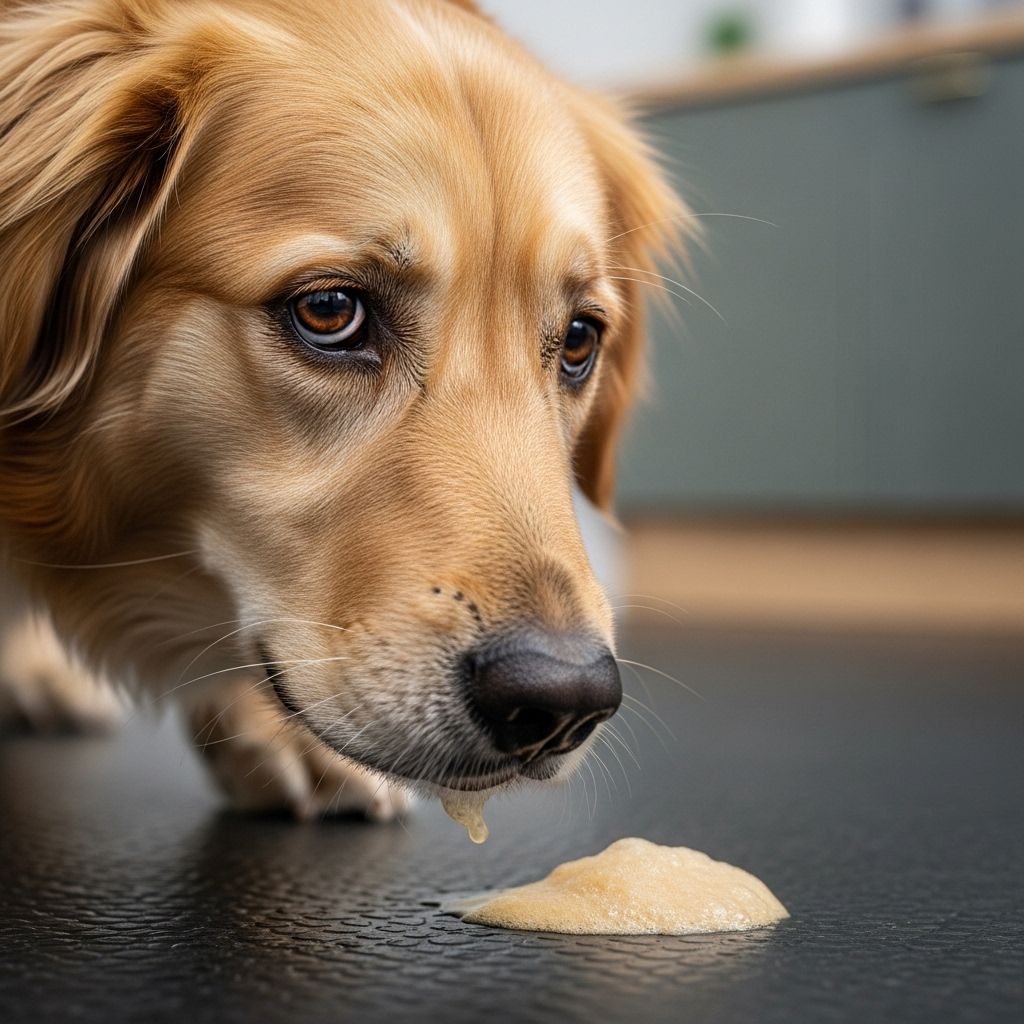
Vomiting in dogs is a common occurrence that can range from a brief, harmless episode to a sign of a serious medical condition. Understanding what triggers vomiting, how to recognize warning signs, and knowing when to seek veterinary attention are crucial for every dog owner. This guide covers the types of dog vomit, reasons behind vomiting, how veterinarians diagnose causes, at-home care options, prevention tips, and frequently asked questions.
What Is Vomiting in Dogs?
Vomiting describes the forceful, active expulsion of stomach contents through the mouth. Unlike regurgitation, which is a passive process, vomiting typically happens after a period of nausea and involves visible abdominal contractions. Vomiting is not a disease but a clinical sign that may accompany many underlying issues, ranging from dietary indiscretions to serious systemic diseases.
Vomiting vs. Regurgitation: Key Differences
| Vomiting | Regurgitation |
|---|---|
| Active process with abdominal contractions. | Passive process, no abdominal effort. |
| Often preceded by nausea (lip licking, drooling, restlessness). | Usually occurs suddenly, soon after eating/drinking. |
| May contain partially digested food, bile, froth, or fluid. | Contains undigested food, often in a tubular shape. |
| Occurs at any time after eating. | Commonly happens shortly after meals. |
Why Do Dogs Vomit?
Vomiting serves as a protective reflex to expel harmful substances from the stomach, but it can result from a wide variety of causes. Some are benign, while others are life-threatening. Common triggers include:
- Dietary indiscretion (eating spoiled food, garbage, foreign objects)
- Sudden diet changes
- Infections (viral, bacterial, or parasitic)
- Toxin or poison ingestion
- Medications or supplements
- Food allergies or intolerance
- Chronic diseases (kidney, liver, pancreas)
- Obstructions or blockages in the gastrointestinal tract
- Bloat (gastric dilatation-volvulus, GDV)
- Cancer
- Motion sickness or stress
Types of Vomit in Dogs & What They Mean
The appearance of your dog’s vomit can give clues about the underlying cause. Here are the main types and what they may indicate:
- Yellow Vomit: Often bile, which may appear if a dog hasn’t eaten for a while, or after repeated vomiting. Can signal acid reflux, dietary issues, or bilious vomiting syndrome. Sporadic yellow vomit in a healthy dog is usually not alarming, but frequent episodes can mean GI or liver disease, pancreatitis, or food intolerance/allergies.
- White, Foamy Vomit: Caused by acid reflux, indigestion, or an empty stomach. Repeated foamy vomit without food, especially if the abdomen is swollen or painful, can indicate bloat (an emergency). May also occur with dietary indiscretion or toxin intake.
- Clear, Liquid Vomit: Associated with over-drinking or rapid water intake. Occasional clear fluid is not concerning, but repeated or copious vomiting can signal more serious disease.
- Mucusy or Slimy Vomit: May result from irritation of the stomach or esophagus, or from ingesting certain foods. Moldy vomit suggests ingestion of spoiled material.
- Green Vomit: Suggests ingestion of grass or other plants, or sometimes bile.
- Brown Vomit: May be due to regurgitated food or ingestion of chocolate or fecal matter (coprophagia). If it smells foul or contains dark specks, bleeding in the GI tract may be present and requires urgent attention.
- Bloody Vomit (Hematemesis): Fresh, red blood often means recent stomach irritation, ulcers, trauma, or ingestion of something sharp. Dark, coffee-ground material indicates digested blood from serious internal bleeding. Both warrant immediate veterinary care.
Visual Guide: Common Types of Dog Vomit
- Yellow: Bile, possible empty stomach or reflux
- White foam: Acid reflux, bloat, GI irritation
- Clear: Excess water intake, early stomach upset
- Green: Grass/plants or bile
- Brown: Ingesta, chocolate, blood (if dark, see vet)
- Bright red blood: Fresh bleeding in mouth or stomach
- ‘Coffee grounds’ dark red/black: Digested blood from severe GI bleeding
How Serious Is Vomiting in Dogs?
The seriousness of vomiting depends on frequency, duration, associated symptoms, the age and health of the dog, and the underlying cause.
- Occasional vomiting in an otherwise healthy dog is usually mild and will often resolve in 24 hours.
- Frequent, severe, or persistent vomiting (several times a day or ongoing for more than a day) raises greater concern, especially if your dog is young, elderly, or has underlying conditions.
- Acute vomiting that does not stop, vomiting with blood, abdominal pain, or severe lethargy requires immediate veterinary evaluation.
Warning Signs: When to Call the Vet Immediately
- Vomiting lasts more than 24 hours or recurs repeatedly
- Vomiting is accompanied by:
- Lethargy, collapse, or unresponsiveness
- Blood (in vomit or stool)
- Bloated, distended, or hard abdomen
- Severe pain or whining when touched
- Inability to keep down fluids (persistent vomiting after drinking water)
- Fever or trembling
- Seizures or severe drooling
- Dehydration (dry gums, sunken eyes, skin ‘tenting’)
- History of ingesting toxins, foreign objects, or human medications
- Puppies, elderly dogs, or those with chronic illnesses (kidney, liver, heart disease)
- Suspected bloat (restless, retching without vomiting, enlarged hard belly)
Common Causes of Vomiting in Dogs
Many situations can cause your dog to vomit. Some of the most frequent causes include:
- Eating spoiled food or garbage (‘dietary indiscretion’)
- Ingestion of foreign bodies (toys, bones, fabric)
- Toxic substances (chocolate, human medication, toxic plants, antifreeze, pesticides)
- Sudden diet, medication, or supplement changes
- Viral or bacterial infections (parvovirus, distemper, gastroenteritis)
- Parasitic infections (roundworms, hookworms, giardia)
- Inflammatory bowel disease or food allergies
- Bloat or gastric dilatation-volvulus (GDV)
- Chronic diseases (pancreatitis, liver disease, kidney disease, diabetes, cancer)
- Stress, motion sickness
How Vets Diagnose the Cause of Vomiting
Your veterinarian will start with a thorough history and physical exam to differentiate between acute and chronic vomiting and look for red flag symptoms. Diagnosis may include:
- Discussion of onset, frequency, duration, contents of vomit, and recent changes (diet, environment, medications, exposures)
- Full physical exam, abdominal palpation, hydration status, temperature
- Diagnostic tests, which may include:
- Bloodwork (CBC, chemistry panel, electrolytes)
- Urinalysis
- Fecal analysis (parasite screening)
- X-rays or ultrasound if blockage or bloat is suspected
- Endoscopy (in chronic or unexplained cases)
At-Home Care for Vomiting Dogs: What Should You Do?
If your dog vomits once or twice but is otherwise healthy and alert, some basic supportive care can help. If vomiting persists, worsens, or you notice red flag symptoms, seek veterinary attention promptly.
- Withhold food for 12-24 hours to allow the stomach to settle (only for adult, healthy dogs).
- Always provide fresh water in small amounts to prevent dehydration, but do not let your dog gulp large quantities.
- After the fasting period, offer a bland diet (plain boiled chicken/turkey and white rice) in small portions every 3-4 hours for 1-2 days.
- Gradually return to the usual diet over several days as vomiting resolves.
- Never give human medications or over-the-counter drugs unless advised by your veterinarian.
Never: Attempt to induce vomiting at home (especially if toxin ingestion or sharp object is suspected) without speaking to your vet. Some substances are even more dangerous if vomited up and can cause aspiration pneumonia or damage the esophagus.
Veterinary Treatment for Vomiting
Treatment will depend on the underlying cause and severity:
- Intravenous or subcutaneous fluids to prevent or treat dehydration
- Anti-nausea medications (antiemetics)
- GI protectants or antacids
- Treatment for infections, parasites, or diseases triggering vomiting
- Surgery if a blockage, foreign object, or bloat is found
- Special diets or food trials for food allergies or GI sensitivity
Prevention: Reducing the Risk of Vomiting in Dogs
- Keep trash, toxic foods, and small objects out of reach
- Introduce food, treats, and medications slowly
- Keep current with vaccinations and parasite control
- Avoid abrupt diet changes
- Supervise puppies and inquisitive adult dogs closely outdoors
- Feed multiple small meals if your dog is prone to empty stomach issues or reflux
Frequently Asked Questions (FAQs) About Vomiting in Dogs
Q: How can I tell if my dog is nauseous before vomiting?
A: Common signs include excessive drooling, lip licking, restlessness, swallowing repeatedly, and reluctance to eat or move.
Q: Should I be worried if my dog vomits once?
A: Not necessarily. Single episodes in an otherwise healthy dog may be caused by minor stomach upset. Watch closely for additional vomiting or red flag symptoms.
Q: What should I do if my dog is vomiting and has diarrhea?
A: Monitor carefully for signs of dehydration or other severe symptoms. If both persist for more than 12-24 hours, or if your dog is lethargic, see a vet promptly. Puppies with both vomiting and diarrhea require urgent care due to risk of rapid fluid loss.
Q: Is it safe to give my dog human medications for vomiting?
A: No. Never give any medication unless prescribed by your veterinarian; some drugs that are safe for humans are toxic to dogs.
Q: Can stress or car rides cause vomiting?
A: Yes, some dogs experience motion sickness or stress-related GI upset that causes vomiting. Gradual desensitization and anti-nausea medication may be helpful for these dogs.
Q: What is bilious vomiting syndrome?
A: This is a condition where bile from the small intestine enters the stomach, typically when a dog’s stomach is empty. It causes intermittent vomiting of yellow bile, usually early in the morning. Feeding a late-night meal or multiple small meals may help.
Summary: Key Points to Remember
- Vomiting in dogs can range from minor to life-threatening.
- Consider frequency, appearance, and associated symptoms to determine urgency.
- Never ignore vomiting with blood, abdominal pain, or severe lethargy.
- Withholding food briefly and providing a bland diet can help mild cases—but seek veterinary help if there is no improvement within 24 hours.
- Prevention includes managing diet, securing trash, and monitoring for toxins.
Similar Articles







Read full bio of medha deb