Whelping: A Comprehensive Guide to Canine Labor and Delivery
Everything you need to know to safely support your dog through pregnancy, canine labor, and the whelping process.
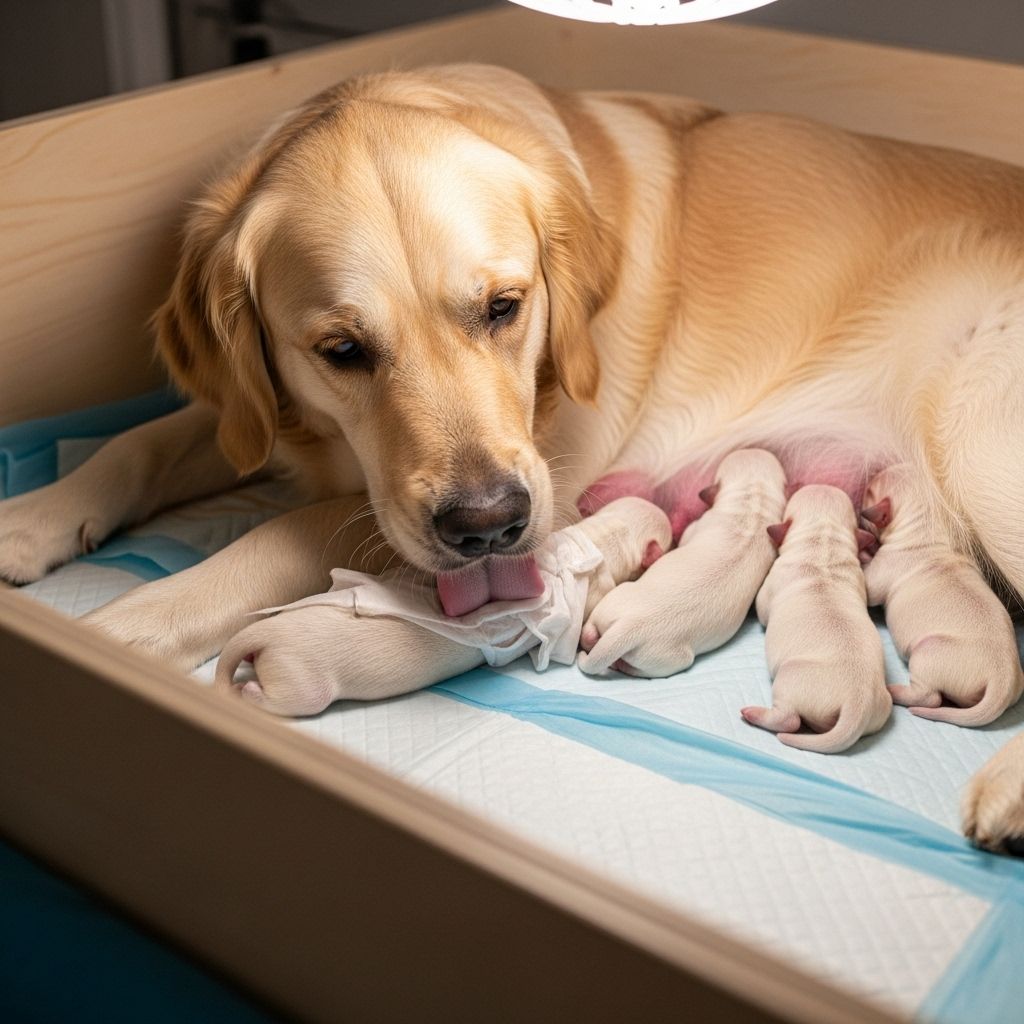
Helping your dog through labor and delivery (whelping) is both an exciting and anxious time for any dog owner or breeder. This guide details the entire process—from early labor symptoms to caring for newborn puppies—so you can confidently support your dog and know when to contact your veterinarian.
Understanding the Whelping Process
Whelping refers to the act of a female dog (bitch) giving birth to puppies. Canine labor is typically divided into three distinct stages, each with unique signs and care needs. Recognizing these stages and their normal progress is vital to a successful and safe delivery for both the mother and her puppies.
Signs Your Dog Is Ready For Labor
- Drop in Body Temperature: About 8-24 hours before labor, most dogs experience a drop in rectal temperature below 99°F (37.2°C) due to hormonal changes.
- Nesting Behavior: Your dog may become restless, pace, dig at bedding, or shred newspapers as she seeks a safe place for delivery.
- Restlessness and Anxiety: Increased panting, whining, or refusal to eat can indicate the onset of labor.
- Vaginal Discharge: A clear or slightly bloody discharge may be noticed as labor approaches.
- Visible Abdominal Contractions: Especially as labor progresses, contractions become more noticeable.
These changes signal that your dog is nearing, or has entered, the first stage of labor. Careful monitoring is essential at this point.
The Three Stages of Canine Labor
Stage One: Preparation and Early Labor
This is the longest phase of labor and can last from 6 to 36 hours—typically around 12 hours for most dogs. During this stage:
- Uterine contractions begin, but are not always externally visible.
- Your dog may refuse food and seek solitude in her whelping area.
- She may vomit, pant heavily, or appear uncomfortable.
- Mild vaginal discharge and softening of the pelvic muscles may occur.
Tip: Take your dog’s temperature two to three times daily in the week leading up to her due date. A consistent drop below 99°F typically precedes labor within 24 hours.
Stage Two: Delivery of Puppies
The second stage is distinguished by the active pushing and delivery of puppies. Key points include:
- Strong abdominal contractions and straining indicate active labor.
- The first puppy usually takes the longest to be delivered (typically within 2-4 hours of visible contractions, or 10–30 minutes of active straining).
- Subsequent puppies are usually born every 30–60 minutes, but intervals up to 1.5 hours between puppies can be normal if the mother is relaxed and not straining.
- Each puppy is born encased in a thin membrane (amnion) which the mother usually opens and cleans off herself.
- Some puppies may be born headfirst, while others may present tail-first (breech)—both can be normal in dogs.
Stage Three: Delivery of Placentas
This stage overlaps and follows the second stage. For each puppy, a placenta (afterbirth) should also be delivered:
- Monitor: There should be one placenta for each puppy. If fewer placentas are passed than puppies born, contact a veterinarian.
- Mother’s Behavior: The mother may attempt to eat the placenta, which is instinctual but can cause digestive upset if too many are consumed.
Most deliveries are completed within 3–12 hours, though this can vary by breed and litter size.
Preparing for Whelping
Preparation is key for a smooth whelping process. Take these steps in advance of your dog’s due date to ensure safety and comfort:
- Set Up a Whelping Area: Choose a quiet, private space with a whelping box that’s easy to clean and large enough for mom and her expected litter.
- Gather Supplies:
- Clean towels or disposable pads
- Heating pad or heat lamp (safely positioned)
- Bulb syringe for clearing airways
- Clean scissors and umbilical clamps or dental floss
- Thermometer
- Puppy scale
- Notebook to record time, temperature, puppy arrivals, and placenta count
- Contact information for your veterinarian or emergency clinic
- Monitor Your Dog: Begin heightened observation a week before the due date, noting temperature trends and behavioral changes.
Assisting Your Dog During Delivery
Most dogs are capable of delivering their puppies unaided. However, be ready to step in if:
- The mother does not open the amniotic sac or clean the puppy. Gently tear the sac and use a clean towel to rub the puppy dry and stimulate breathing.
- The umbilical cord is not severed by the mother. Tie off the cord about one inch from the puppy’s abdomen with clean dental floss and snip the excess with sanitized scissors.
- Clear the puppy’s mouth and nose with a bulb syringe if there is fluid obstructing breathing.
Do not aggressively pull puppies from the birth canal as this can injure both the puppy and mother. If a puppy appears stuck, seek veterinary help immediately.
What to Expect: Normal Signs and Variations
- Color of Discharge: A small amount of clear, blood-tinged, or greenish discharge during whelping is normal. However, heavy bleeding is not.
- Time Between Puppies: Intervals up to 1.5 hours can occur. Contact your vet if your dog strains for more than 30 minutes with no progress, or rests for over 4 hours between puppies with more expected.
- Mother’s Behavior: She should remain attentive and lick her puppies. Some may take short breaks, but should not appear lethargic or distressed.
- Signs of Trouble: Failure to birth puppies within 24 hours of temperature drop, excessive pain or anxiety, green discharge before puppies arrive, or prolonged unproductive straining are red flags.
Potential Complications Requiring Veterinary Attention
Quick recognition of complications can save lives. Contact your veterinarian if you observe any of the following:
- No stage two progression (no puppy born) after more than 2-4 hours of strong contractions.
- More than 3-4 hours between puppies with visible contractions but no delivery.
- Obvious distress, collapse, or consistent vomiting in the mother.
- Passage of foul-smelling, green, or black discharge before the birth of the first puppy.
- Retained placenta or suspected puppy remaining inside.
- Lethargy, fever, refusing food after whelping, or neglecting pups.
Aftercare: Caring for the Mother and Puppies
- Keep the Mother Comfortable: Offer water and a small meal. Avoid large meals immediately post-whelping.
- Monitor for Health Issues: Check your dog’s temperature daily for a week and monitor her appetite and disposition.
- Check Puppies: Ensure all puppies are nursing and are warm. Chilled or weak puppies require urgent attention.
- Record Keeping: Track puppy weights and health daily. Note any abnormalities or signs of weakness.
- Limit Visitors: Reduce stress for mom and puppies in the first weeks by limiting noise and visitors.
- Veterinary Check-Up: Schedule a visit to your veterinarian soon after completion of delivery to check mother and litter health.
Common Questions About Whelping
How do I know when my dog is going into labor?
A marked drop in body temperature, nesting, restlessness, and a decline in appetite are early signs. Watch for visible contractions and discharge to confirm labor has begun.
How long does canine labor usually last?
Labor can last from a few hours up to a full day, depending on the number of puppies and the individual dog. The average delivery time for all puppies in a litter is 3–12 hours.
Should I let my dog eat the placentas?
It is natural for the mother to consume some placentas, but excess consumption can upset her stomach. It’s fine to allow her to eat one or two, but remove and discard the rest.
What supplies should I have ready for whelping?
- Clean towels and disposable pads
- Bulb syringe for clearing puppies’ airways
- Heating pad (set to low and well-covered)
- Thermometer and record notebook
- Vet’s contact information
Is it normal for a puppy to be born tail-first?
Yes. Puppies can be born head- or tail-first. Either position can be normal, but if delivery takes longer than 30 minutes per puppy, consult a vet.
Table: Overview of the Stages of Dog Labor
| Stage | Main Features | Duration | What to Watch For |
|---|---|---|---|
| Stage 1 (Early Labor) | Nesting, restlessness, temperature drop, mild contractions | 6–36 hours | Failure to progress; rising distress |
| Stage 2 (Puppy Delivery) | Active pushing, visible contractions, puppy birth | 3–12 hours total | Straining >30 min, >4 hours w/o puppy, obvious pain |
| Stage 3 (Placentas Delivered) | Expulsion of placentas, mother may eat some | Alongside Stage 2 | Retained placentas, foul discharge |
Frequently Asked Questions (FAQs)
Q: Can I move my dog during whelping?
A: Only if absolutely necessary. Movement can cause stress and disrupt labor. Set up a dedicated whelping area well in advance, so your dog is comfortable there when labor starts.
Q: What should the temperature of the whelping area be?
A: Keep the area warm (around 85°F for the first week, slowly decreasing to about 75°F), as puppies cannot regulate their body temperature.
Q: My dog seems to be taking longer than usual between puppies. What should I do?
A: If she is comfortable, not actively straining, and there are no signs of distress, you can wait up to 1.5 hours between puppies. If she strains for over 30-60 minutes with no puppy, or if you suspect a puppy is stuck, contact a veterinarian immediately.
Q: Should I intervene during every birth?
A: Most bitches require little assistance. Only intervene if the mother does not remove the membranes, cut the cord, or if a puppy is not breathing. When in doubt, observe closely and consult your veterinarian if you have concerns.
Q: How can I support my dog after whelping?
A: Offer quiet and comfort, fresh water and food as she desires, monitor her for fever or unusual discharge, and ensure all puppies are nursing and warm. Contact your vet for a post-whelping health checkup.
Similar Articles






Read full bio of Sneha Tete