Why Cats Pee on Clothes
Understanding and resolving inappropriate urination in cats
Introduction to Cats Peeing on Clothes
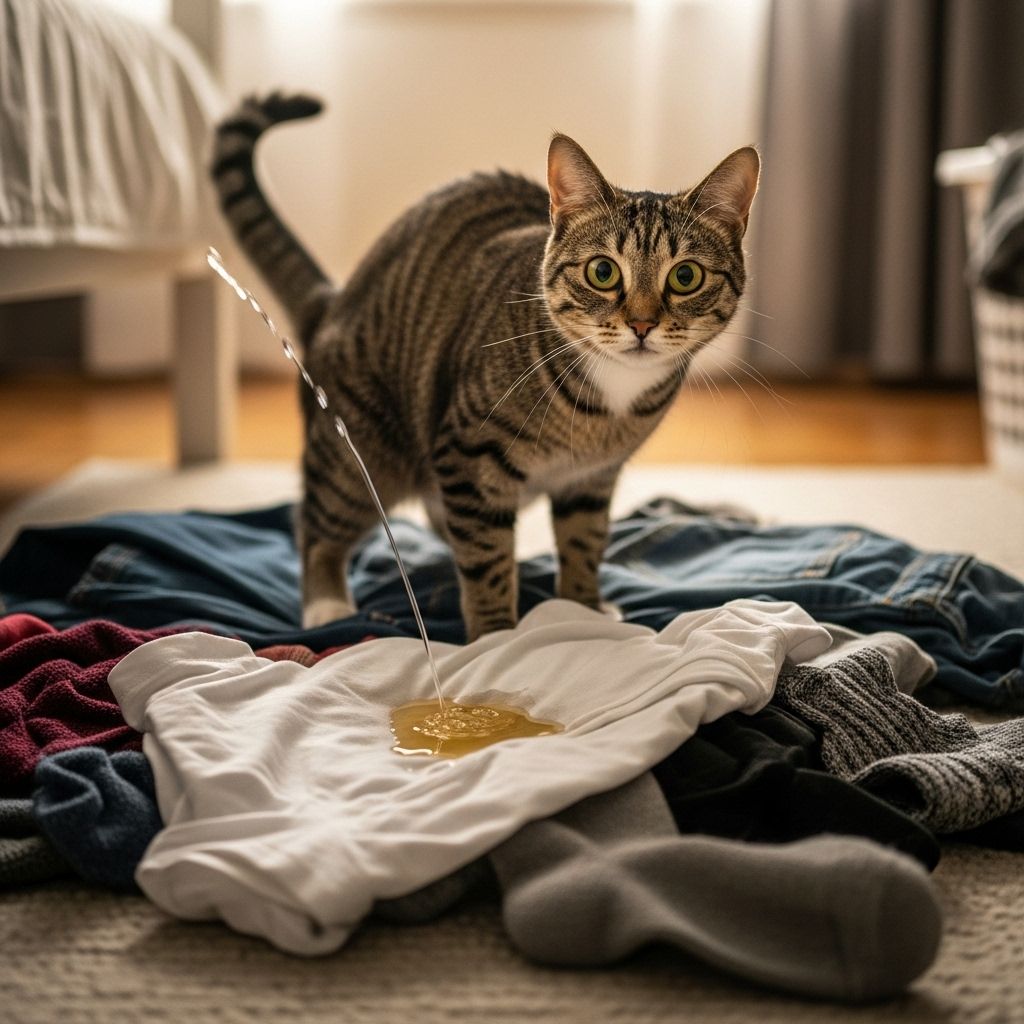
Cats peeing on clothes is a common issue many pet owners face. It can be distressing and frustrating, but understanding the underlying reasons is crucial for addressing the problem effectively.
Cats may urinate on clothes due to a variety of reasons, which can be broadly categorized into medical and behavioral causes.
Medical Causes
Medical issues often trigger inappropriate urination. Common conditions include:
- Urinary Tract Infections (UTIs): Painful and irritating, UTIs can cause cats to associate the litter box with discomfort.
- Feline Lower Urinary Tract Disease (FLUTD): This condition comprises a range of disorders affecting the bladder and urethra.
- Bladder Stones or Crystals: These can obstruct urine flow, leading to accidents.
- Kidney Disease: This can affect the cat’s ability to concentrate urine.
- Diabetes: Uncontrolled diabetes can lead to increased urine production.
- Arthritis: This can make it difficult for cats to access the litter box comfortably.
Behavioral Triggers
Once medical issues are ruled out, behavioral factors come into play:
- Stress and Anxiety: Changes in the household, new pets, or people can cause stress, leading cats to urinate in inappropriate places.
- Territorial Marking: Cats may urine-mark to assert their territory.
- Changes in Household Routine: Any significant changes can disrupt a cat’s routine, leading to stress.
- Attracted to Owner’s Scent: Cats may be drawn to the scent on their owner’s clothes.
Solving the Problem of Cats Peeing on Clothes
Step 1: Schedule a Veterinary Check-up
Before attempting behavioral modifications, it is essential to rule out medical conditions. A veterinarian may recommend:
- Urinalysis
- Blood Work
- Physical Examination
- Ultrasound if necessary
Step 2: Optimize Litter Box Setup
Ensure the litter box environment is ideal:
- One Box Per Cat Plus an Extra
- Clean Boxes Daily
- Deep Clean Weekly
- Try Different Litter Types
- Position Boxes in Quiet, Accessible Locations
- Consider Box Size and Style (covered vs. uncovered)
Step 3: Manage Laundry Properly
To prevent access to clothing:
- Use Closed Hampers
- Keep Closet Doors Shut
- Store Clean Laundry Immediately
- Elevate Laundry Baskets
- Use Deterrent Sprays in problem areas
Step 4: Effective Cleaning Strategies
Proper cleaning is crucial to prevent repeat incidents:
- Use Enzyme-Based Cleaners specifically designed for pet urine.
- Soak Affected Items in Cold Water with enzymatic cleaner.
- Avoid Heat, which can set stains and odors.
- Add White Vinegar to wash cycles for extra odor elimination.
- Consider Professional Cleaning for delicate items.
Step 5: Create a Stress-Free Environment
Reduce anxiety and stress by:
- Maintaining Consistent Daily Routines
- Providing Environmental Enrichment
- Offering Multiple Resources in multi-cat homes
- Using Pheromone Diffusers
- Creating Safe Spaces and Hiding Spots
- Engaging in Regular Playtime
Frequently Asked Questions (FAQs)
Q: Why is my cat peeing on my clothes?
A: Cats may pee on clothes due to medical issues, stress, territorial marking, or attraction to owner’s scent.
Q: How do I stop my cat from peeing on clothes?
A: Implement a combination of strategies: ensure proper litter box maintenance, keep laundry inaccessible, use enzyme cleaners on soiled items, and create a stress-free environment.
Q: Can stress or changes in the home cause my cat to urinate on clothing?
A: Yes, stress, anxiety, and environmental changes are common triggers for inappropriate urination.
Conclusion
Addressing why your cat pees on clothes requires patience and a comprehensive approach. By understanding the underlying causes and implementing the strategies outlined, you can help prevent this behavior and ensure a more harmonious coexistence with your pet.
Similar Articles






Read full bio of medha deb