Why Do Cats Purr When They’re Asleep? Vet-Reviewed Feline Insights
Understanding the science and emotion behind feline purring during sleep, including healing powers and what it means for your cat’s wellbeing.
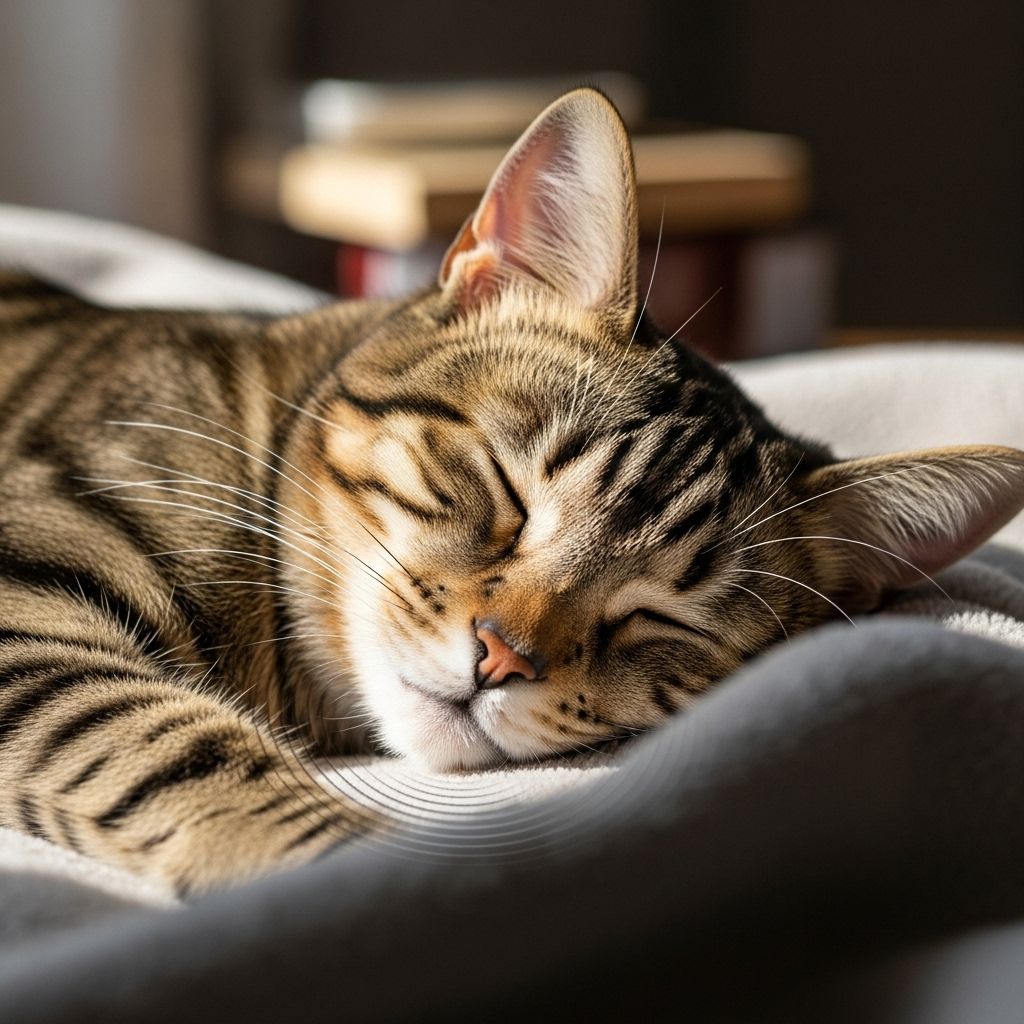
Why Do Cats Purr When They’re Asleep?
There’s little as heartwarming as seeing a cat cuddled in a sunny spot, gently purring as they nap. But why do cats purr in their sleep? Is it a sign of happiness, or do other factors come into play? Recent veterinary findings offer insight that reveals both deep emotional and scientific reasons for this beloved feline behavior.
What is Cat Purring?
Purring is a distinctive vocal sound produced by cats through rapid movements of the laryngeal muscles. As cats breathe in and out, vibrations in the vocal folds generate the characteristic low-frequency hum. Purrs typically range in frequency from 25 to 150 Hertz—frequencies noted for their potential healing and therapeutic properties for both cats and humans.
- Continuous Sound: Cats can purr both on inhale and exhale, generating a steady hum.
- Cats Are Unique: This particular vocalization is mostly found in domestic and some wild cats, but not in larger feline relatives.
- Passive Phenomenon: Once the brain initiates the process, purring can continue automatically—even in states of deep relaxation or near sleep.
The Science Behind Purring During Sleep
Research indicates that cats may continue purring as they enter various sleep stages. Scientific studies show that the mechanism responsible for purring—the rapid contraction of laryngeal muscles—operates somewhat independently, allowing cats to purr even as the brain rests or dreams.
How Cats Physically Purr While Sleeping
- Laryngeal Muscle Movement: Specialized muscles in a cat’s voice box (larynx) expand and contract rapidly.
- Vocal Cord Pads: Cats possess ‘pads’ attached to their vocal cords, which help produce low-frequency vibrations.
- Automatic Activation: Purring often runs on autopilot once triggered, not requiring conscious effort even during sleep or drowsiness.
Main Reasons Cats Purr While Asleep
Cats’ nighttime purring isn’t limited to one simple cause. Multiple interconnected factors—ranging from emotional states to innate biological functions—explain why cats purr as they doze.
Purring as a Sign of Relaxation and Contentment
Most commonly, sleeping cats who purr are deeply relaxed and content. The environment feels safe, the body is at ease, and the gentle vibrations underscore a state of tranquility. Cats love cozy, peaceful nooks and will often seek out beds or the lap of a trusted human to nap, promoting relaxation-induced purring.
- Sleeping cats often purr when nestled in favored locations, reflecting a sense of security.
- Purring can also soothe both cat and owner, contributing to mutual relaxation.
- Sometimes, cats may not even be aware they are purring as they settle into sleep.
Healing Powers: The Self-Soothe Hypothesis
Therapeutic benefits of purring are well documented. Studies suggest that the low-frequency vibrations produced during purring help stimulate healing in bones, reduce inflammation, and promote muscle repair. These effects are present even when a cat is asleep, suggesting an innate self-healing purpose to their purr.
- Purring can increase bone density and speed healing.
- May reduce pain and anxiety through self-soothing vibrations.
- Purring may help with recovery from illness or injury.
- Some evidence indicates that purring is more frequent while healing from distress or wounds.
Purring Due to Stress or Discomfort
While happy sleep-purring is most common, cats also purr in response to stress, pain, or anxiety. This paradoxical purr helps animals calm themselves and may be activated during light sleep in uneasy states.
- Stress-induced purrs can be observed when a cat is unwell or anxious but still trying to rest.
- Such purring may be accompanied by other signs including restless movements, changes in posture, or shallow breathing.
- Owners should monitor their cat’s body language to discern emotional context.
Sleep Stages and the Purring Phenomenon
Cats’ sleep cycles influence how and why they purr. Their unique sleeping patterns differ substantially from humans, allowing them to purr, twitch, and remain partially alert even while appearing deeply asleep.
Feline Sleep Patterns Explained
| Sleep Stage | Characteristics | Purring Likelihood |
|---|---|---|
| Light Sleep / Slow-Wave Sleep | Easily awakened, aware of surroundings, may stretch or adjust position. | High |
| Deep Slow-Wave Sleep | Less responsive, minimal movement. Healing processes may intensify. | Moderate |
| REM (Rapid Eye Movement) Sleep | Dreaming, facial, paw, and tail twitches; vivid dreams similar to humans. | Elevated (linked to emotional states and dreaming) |
REM Sleep and Dream-State Purring
- Cats are known to purr during the REM stage, possibly as an expression of dreamy contentment.
- Owners may notice tiny limb or whisker twitches accompanying the gentle purr.
- Purring frequency and intensity may fluctuate based on dream content.
Other Reasons Cats Purr While Resting or Dozing
Apart from contentment, cats may purr for social reasons, communication, and interaction with other household creatures or humans, even during sleep.
Social Bonding and Communication
- Purring may maintain a sense of connection with fellow cats or trusted humans.
- Mother cats often purr to soothe kittens during sleep, promoting bonding and reinforcing group cohesion.
- In multi-cat households, purring can act as a subtle signal of safety and peace.
Solicitation and Attention
Some cats have learned that purring can attract positive attention or food from their humans. This type of purring isn’t exclusive to wakefulness and can occur as cats lightly snooze—subconsciously ‘reminding’ their owners of their presence.
The Healing Impact: Purring Helps Humans Too
Beyond its benefits for cats, purring has a measurable effect on humans. The gentle hum of a cat’s purr can lower blood pressure, decrease stress, and may even stimulate healing responses in people.
- Lower Blood Pressure: Listening to a cat purr relaxes the nervous system.
- Reduces Stress: Promotes a calmer mood, beneficial for emotional health.
- Possible Healing Effects: Some studies indicate faster healing rates in humans exposed to cat purrs for extended periods.
When Purring Signals a Problem: What to Watch For
While most sleep-purring is harmless and positive, it can sometimes signal underlying health issues. Owners should stay alert to changes in frequency, intensity, or accompanying behaviors.
- Pain or Illness: If your cat purrs while sleeping and displays signs of distress (restlessness, shallow breathing, loss of appetite), consult a veterinarian.
- Unusual Body Language: Stiff posture, withdrawal, or reduced interaction may indicate problems.
- Chronic Purring: Increased, rhythmic purring without accompanying contentment could suggest injury or chronic discomfort.
- Always evaluate the context—pairing body language cues with vocalizations to interpret your cat’s emotions accurately.
Frequently Asked Questions (FAQs)
Q: Can cats truly purr while in deep sleep?
A: Yes. The mechanism that triggers purring can operate semi-independently of wakeful brain activity, allowing cats to continue purring during deep or REM sleep stages.
Q: Does purring always mean my cat is happy?
A: Not always. While purring is commonly associated with relaxation and contentment, cats may also purr while anxious, scared, or in pain as a coping or healing strategy.
Q: Should I be concerned if my cat purrs while sleeping?
A: Not necessarily. Most sleep-purring reflects contentment or spontaneous relaxation. However, monitor for signs of illness or distress (e.g., restless movements, loss of appetite) and consult your vet if concerned.
Q: Can purring help my cat heal from injuries?
A: Yes. Studies demonstrate that the low-frequency vibrations promote tissue repair and pain relief—thus cats may purr more while injured or sick, whether awake or asleep.
Q: Does purring while asleep benefit humans too?
A: Yes! The sound of a cat’s purr has been shown to lower blood pressure and reduce stress, offering physical and psychological benefits to people nearby.
Conclusion: The Gentle Mystery of Sleep-Purring
Cat purring while asleep combines science, emotion, and healing in ways that delight researchers and cat lovers alike. Whether a manifestation of deep calm, self-healing, or subtle communication, the gentle hum not only reflects a cat’s inner world but also brings peace and companionship to those who share their lives with these fascinating creatures.
Key Takeaways
- Purring during sleep typically means your cat feels relaxed, safe, and content.
- Low-frequency vibrations may actively heal and soothe your cat—even during rest.
- Purring can signal discomfort, pain, or anxiety in certain contexts—always assess the whole picture.
- Humans share in the healing, calming effects of feline purring.
- If in doubt about your cat’s health, consult your veterinarian for advice.
Similar Articles







Read full bio of medha deb