Why Do Dogs Pant? Understanding Normal and Excessive Panting in Dogs
Learn why dogs pant, what is normal, warning signs of excessive panting, and tips for your dog’s wellbeing.
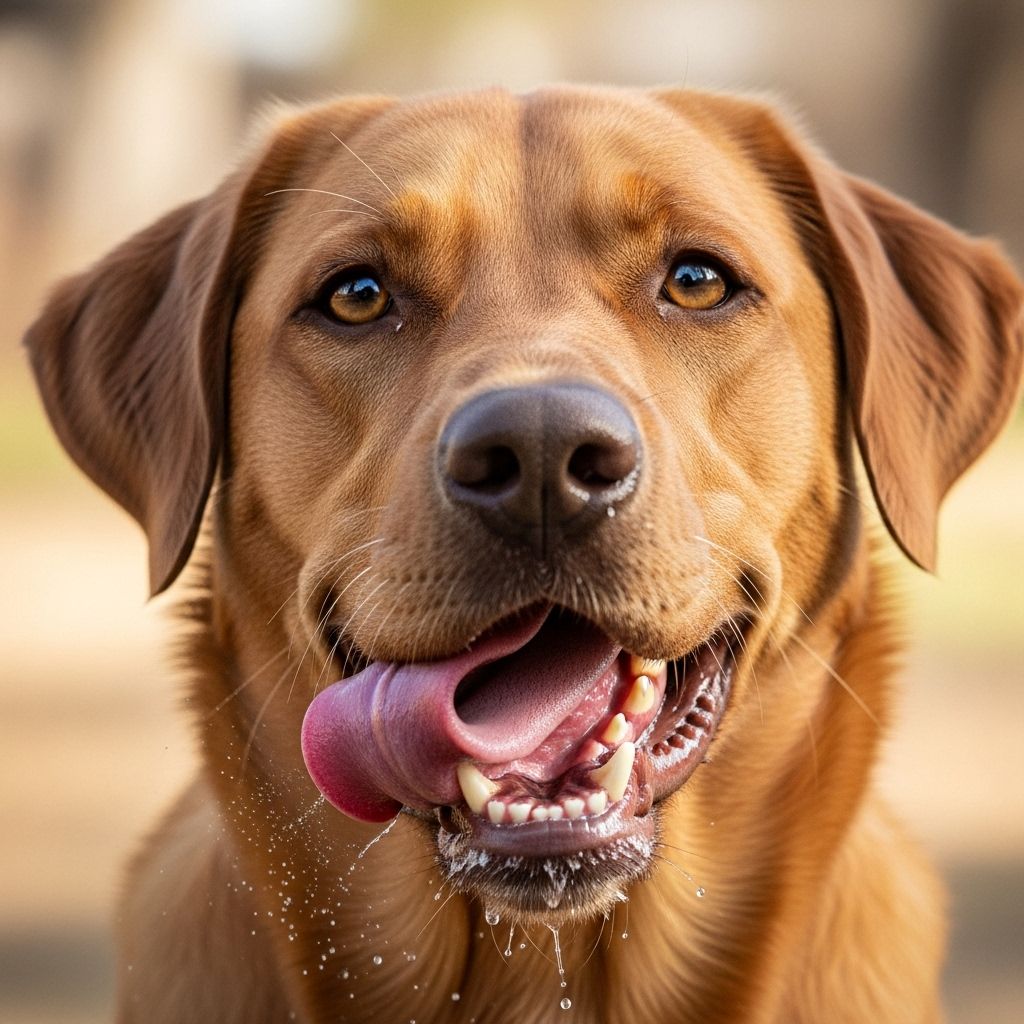
Panting is one of the most common behaviors seen in dogs, serving key functions in their physical and emotional health. While it is usually normal, excessive panting can sometimes be a sign of an underlying issue that needs urgent attention. This article explores why dogs pant, how to tell when panting is normal or excessive, the causes behind abnormal panting, and what steps you should take to keep your dog healthy and comfortable.
What Is Panting in Dogs?
Panting is characterized by rapid, open-mouthed breathing in which the dog’s tongue often hangs out. It is a primary mechanism dogs use to regulate their body temperature, as they have limited sweat glands—mainly located on their paw pads and noses—and cannot sweat as humans do. When panting, dogs exhale warm, moist air and inhale cooler external air, facilitating heat exchange and evaporative cooling of the respiratory tract.
Main Reasons Why Dogs Pant
While all dogs pant, it can be helpful for pet owners to understand the common reasons behind the behavior.
- Thermoregulation: The most frequent reason for panting is to lower their core body temperature after exercise or in warm environments.
- Emotional Responses: Dogs may pant when excited, anxious, or stressed.
- Pain or Discomfort: Panting can signal pain, illness, or an underlying health problem.
1. Temperature Regulation: Keeping Cool
Dogs cool themselves mainly by panting, as they do not sweat efficiently. When hot, air is rapidly moved over moist tissues in the mouth and respiratory tract, evaporating water and dissipating excess body heat. This is especially noticeable after exercise, exposure to high temperatures, or vigorous play.
- Signs of normal panting: moderate speed, tongue out, and cessation once the dog cools or calms down.
2. Excitement
Panting often accompanies excitement, such as when you return home, before meals, or when play is anticipated. This panting is typically short-lived and abates once the excitement passes.
3. Anxiety or Stress
Stress-induced panting tends to be accompanied by other symptoms, such as pacing, whining, yawning, or avoidance behaviors. Common triggers include loud noises, unfamiliar environments, or separation from owners.
- Heavy panting without obvious heat or exercise, especially with nervous body language, can be a clue to emotional distress.
4. Pain
Many dogs will pant excessively when experiencing pain, even if other symptoms are not obvious. After injuries, surgery, or in cases of chronic pain conditions, panting may be persistent.
5. Medical Issues
Some illnesses, particularly those affecting the cardiovascular and respiratory systems or hormone imbalances, can cause increased panting. Recognizing when panting is a symptom of disease is crucial for early intervention.
Normal Panting vs. Excessive Panting: When to Worry
Panting is normal after exercise, during excitement, or in hot weather, but dog owners should learn to distinguish normal panting from excessive or abnormal panting. Excessive panting is:
- Rapid, shallow, and persists even when the dog is at rest and in cool environments.
- Accompanied by signs of distress or illness, such as coughing, gagging, vomiting, fainting, or lethargy.
If you notice excessive, persistent, or unexplained panting, it’s important to observe for other symptoms and seek veterinary advice when in doubt.
Table: Signs of Normal vs. Excessive Panting
| Characteristic | Normal Panting | Excessive/Abnormal Panting |
|---|---|---|
| Cause | Exercise, heat, excitement | Rest, cool conditions, unknown cause |
| Duration | Brief, resolves with rest/cooling | Prolonged, unresolved |
| Other Symptoms | None or mild excitement | Weakness, vomiting, pale gums, lethargy |
Common Medical Causes of Excessive Panting
- Heatstroke: Occurs when dogs cannot reduce their body temperature, potentially leading to organ failure or death. Signs include bright red or pale gums, thick saliva, vomiting, unsteadiness, and collapse. Immediate veterinary attention is crucial.
- Acute Medical Emergencies: Poisoning, severe allergic reactions, or respiratory distress can cause sudden, severe panting. Look for associated symptoms like drooling, vomiting, swelling of the lips or face, and difficulty breathing.
- Heart Disease: Conditions such as congestive heart failure prevent the heart from pumping efficiently, leading to labored or rapid breathing, lethargy, and sometimes coughing.
- Respiratory Disorders: Illnesses like pneumonia, laryngeal paralysis, or airway obstructions can result in panting as the dog struggles for oxygen.
- Hormonal Disorders: Diseases such as Cushing’s disease (overproduction of cortisol) can cause chronic panting, lethargy, increased thirst, and sometimes hair loss.
- Pain and Discomfort: Panting can signal pain from injury, arthritis, or internal conditions not evident to the owner.
- Anemia: Reduced oxygen-carrying capacity in the blood leads to more rapid breathing and visible fatigue.
Risk Factors That Increase the Likelihood of Excessive Panting
- Brachycephalic Breeds: Flat-faced breeds like Bulldogs, Pugs, and Boxers are more prone to panting due to their anatomy.
- Obesity: Overweight dogs are more susceptible to overheating and related complications.
- Age: Older dogs are at higher risk for heart and lung diseases that may cause panting.
- Environment: Hot, humid weather or poor ventilation significantly increases risk.
- Recent Exertion: Exercise or excitement just prior to panting is usually benign, but lack of an obvious cause could warrant concern.
What Should You Do If Your Dog Is Panting Excessively?
The most important factor is to assess for life-threatening emergencies and respond promptly. If you suspect heatstroke, poisoning, severe allergic reaction, or your dog collapses, seek veterinary care immediately.
- Move your dog to a cooler, shaded area as soon as possible.
- Offer small sips of cool (not cold) water.
- Apply cool, wet towels to your dog’s belly, paws, and armpits to lower body temperature gradually.
- Do not use ice water or ice packs, as that can shock the system.
- If your dog is panting for emotional reasons, try to remove or calm the stressful stimulus.
- Observe for other symptoms like shaking, drooling, vomiting, or collapse, and report them to your veterinarian.
Testing and Diagnosis
If a dog is panting excessively without a clear cause, veterinarians may pursue a diagnostic workup to uncover underlying illnesses.
- Physical examination to check for pain, fever, respiratory and heart function.
- Bloodwork to assess for anemia, infections, hormonal imbalances (such as Cushing’s disease).
- Imaging (X-rays or ultrasound) to examine heart and lung health.
- Urinalysis and infectious disease tests as appropriate.
- Sometimes, airway evaluation and sputum cultures may be necessary.
Treatment Approaches
Once an underlying cause is identified, treatment is focused accordingly
- Heatstroke: Immediate cooling and emergency veterinary treatment.
- Respiratory distress: Oxygen therapy, bronchodilators, or surgical intervention if an obstruction exists.
- Heart disease: Medication to improve cardiac function and reduce fluid buildup.
- Hormonal disorders: Medication to restore hormonal balance.
- Infections: Antibiotics, antivirals, or antifungals as indicated.
- Pain: Analgesics and anti-inflammatories.
- Anxiety and behavioral issues: Anti-anxiety medications, training, and lifestyle changes.
Preventing Excessive Panting and Heat-Related Problems
- Never leave your dog in a parked car, even for a few minutes.
- Ensure your dog has constant access to cool, fresh water and plenty of shade during outdoor time.
- Avoid strenuous exercise during the hottest parts of the day, especially for at-risk breeds.
- Monitor your dog for signs of overheating when temperatures are high.
- Acclimate your dog gradually to increased activity or new environments.
Frequently Asked Questions (FAQs)
Q: Is it normal for my dog to pant after a walk?
A: Yes, panting after physical activity is a healthy way for dogs to cool down. The panting should slow and stop once your dog has rested and cooled off.
Q: When should I worry about my dog’s panting?
A: You should be concerned if panting is heavy, constant, appears for no clear reason, or is accompanied by other symptoms like collapse, vomiting, pale gums, or lethargy. These could be signs of heatstroke, illness, or pain that require veterinary attention.
Q: Does anxiety make dogs pant?
A: Yes, panting is a common sign of stress or anxiety. Other clues include whining, pacing, yawning, drooling, or hiding behaviors.
Q: How can I help my dog stop panting when nervous?
A: Remove the stressor if possible, offer a quiet safe space, and use calm, reassuring tones. Some dogs benefit from anxiety-reducing products or medications, but ask your veterinarian for advice first.
Summary
Panting is a fundamental part of canine physiology that helps dogs regulate their temperature and express their emotions. While most panting is normal, recognizing the warning signs of excessive panting is critical for your dog’s safety and health. Always consult a veterinarian if you are unsure about your dog’s panting or notice signs of distress, illness, or pain. Responsible prevention, prompt recognition, and timely veterinary care are keys to ensuring your dog remains healthy and happy.
Similar Articles



Read full bio of medha deb