Why Do Puppies Eat Poop? Causes, Risks, and Solutions
Understand why puppies engage in poop eating, the risks involved, and practical strategies to stop and prevent coprophagia in dogs.
Why Do Puppies Eat Poop?
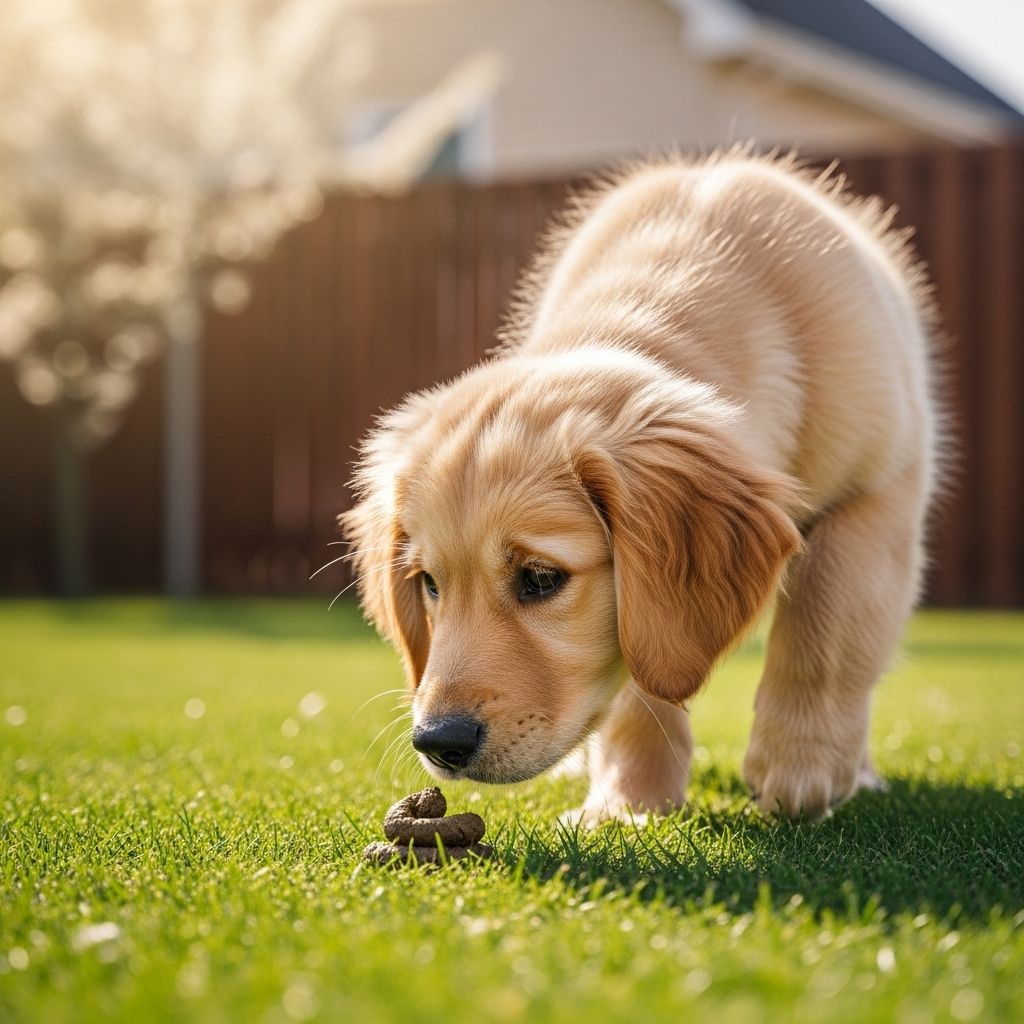
Puppies eating poop, a behavior known as coprophagia, is surprisingly common but distressing for pet owners. While unpleasant, understanding why this occurs helps pet parents address the problem efficiently. Below we explore the behavioral, developmental, environmental, and medical reasons for this habit, potential health risks, and proven prevention and treatment strategies to keep your puppy healthy and your home poop-free.
What Is Coprophagia?
Coprophagia refers to the act of eating feces, whether it’s their own or that of other animals. This behavior is typical in the animal world, but in puppies, it is primarily an exploratory phase combined with learning and social influences. For most dogs, this is a temporary habit, but when coprophagia continues beyond puppyhood, it may indicate a deeper issue.
Normal Developmental Reasons for Poop Eating
Several normal developmental behaviors can explain why puppies eat poop:
- Exploration: Puppies explore the world with their mouths, and feces are just another object to taste.
- Imitation: Puppies may mimic their mother, who naturally cleans the den by ingesting her puppies’ waste to keep the environment clean and free from scent that could attract predators in the wild.
- Learning: Young puppies may smell feces on their mother’s breath and associate this scent with positive experiences like feeding and comfort.
- Cleaning Instinct: Some puppies try to help keep their living space tidy by eliminating waste, copying their mother’s instinctual hygiene behavior.
Why Do Some Puppies Keep Eating Poop?
While many puppies outgrow coprophagia with maturity and guidance, some persist due to environmental, behavioral, or medical factors. These include:
- Lack of Supervision: Unsupervised access to waste increases the chances of poop eating becoming a habit.
- Attention Seeking: Puppies may realize that this behavior provokes a strong reaction from owners, encouraging repetition.
- Stress and Anxiety: Change of environment, trauma, or inconsistent routines may prompt stress-eating of feces.
- Boredom: Puppies lacking stimulation or companionship may turn to coprophagia for entertainment.
- Imitating Other Pets: If older dogs or other pets display this behavior, puppies may copy it.
Medical Causes of Coprophagia
Sometimes, poop eating is driven by underlying health problems. If your puppy’s behavior persists or emerges suddenly in adulthood, consult a veterinarian to rule out:
- Nutritional Deficiencies: Lack of vital vitamins or minerals may cause a puppy to seek out nutrients in feces.
- Digestive Enzyme Deficiency: Puppies unable to properly digest food may turn to stool in search of missing enzymes.
- Malabsorption Disorders: Conditions preventing nutrient absorption can trigger coprophagia.
- Parasitic Infections: Intestinal worms or parasites interfering with digestion may cause odd cravings.
- Other Illnesses: Disorders impacting appetite, such as diabetes, thyroid disorder, or Cushing’s disease, can also play a role.
Health Risks of Coprophagia
Eating feces exposes puppies to health risks, for themselves and for humans sharing their environment:
- Parasitic Infections: Feces may contain eggs or larvae of intestinal parasites (e.g., roundworms, hookworms).
- Bacterial Contamination: Exposure to bacteria like E. coli and Salmonella, which can cause gastrointestinal upset.
- Gastrointestinal Distress: Vomiting, diarrhea, and discomfort are common consequences.
- Zoonotic Diseases: Some infections acquired from stool can transfer to humans, especially in children or immunocompromised individuals.
Note: Persistent or severe coprophagia always warrants a trip to the veterinarian to check for underlying health problems.
Behavioral Factors and Reinforcement
Behavioral patterns play a significant role in poop eating. The following factors commonly perpetuate the cycle:
- Owner Reaction: Strong reactions (yelling, scolding, chasing) can unintentionally reinforce the behavior. Puppies may perceive increased attention as a reward.
- Improper House Training: Punishing puppies for indoor accidents may drive them to hide or consume evidence to avoid scolding.
It is critical to avoid harsh punishment; instead, focus on positive reinforcement and patient correction.
How to Prevent and Treat Coprophagia
Addressing poop eating in puppies requires a multifaceted approach:
1. Environmental Management
- Immediate Cleanup: Remove feces promptly from your yard, kennel, or living area to eliminate the temptation.
- Constant Supervision: Watch your puppy during bathroom breaks and playtime.
- Leash Walks: Take your puppy out on a leash, so you can intervene and clean up directly after elimination.
- Separation: If multiple dogs live together and are prone to coprophagia, supervise them separately when going potty.
2. Positive Reinforcement Training
- Teach Commands: Use basic commands like “leave it” and “come” to redirect your puppy’s attention.
- Reward Good Behavior: Give treats, praise, or play immediately after your puppy eliminates and leaves the area, so they associate potty breaks with positive experiences rather than poop investigating.
3. Provide Physical and Mental Enrichment
- Toys and Activities: Boredom can trigger unwanted behaviors. Offer chew toys, puzzle feeders, and spend quality playtime.
- Regular Exercise: Ensures puppies have an outlet for energy, reducing the urge to seek stimulation via coprophagia.
4. Dietary Solutions and Medical Interventions
- Balanced Diet: Ensure your puppy’s food is complete, high-quality, and formulated for their age and size.
- Digestive Enzymes or Supplements: Sometimes, boosting certain enzymes or vitamins (such as B-complex vitamins, or dietary fiber like canned pumpkin) can help if a deficiency is suspected, but always consult a veterinarian first.
- Consult Your Vet: If poop eating persists, a veterinary exam is necessary to rule out malabsorption, parasites, enzyme deficiency, or underlying illnesses.
- Deterrent Food Additives: Some vet-recommended additives can be sprinkled on food to give feces an unappealing taste, discouraging consumption.
5. Avoid Punishment
- Never Use Negative Methods: Scolding or rubbing a dog’s nose in feces is not only ineffective but can backfire, causing stress and increasing the likelihood of coprophagia.
Frequently Asked Questions (FAQs)
Q: Is it normal for puppies to eat poop?
A: Yes, it is common for puppies to explore by mouth and occasionally eat feces during early development. Most outgrow the behavior with supervision and good management, but continued or excessive coprophagia may signal a medical or behavioral issue and should be evaluated by a vet.
Q: Can my puppy get sick from eating poop?
A: Yes, eating feces can expose your puppy to parasites, bacteria like Salmonella, and other pathogens, resulting in gastrointestinal upset. Immediate veterinary attention is required if any signs of illness appear.
Q: How do I stop my puppy from eating poop?
A: Key strategies include supervision during potty breaks, prompt feces cleanup, positive reinforcement of desired behaviors, teaching “leave it” and “come” commands, and consulting your vet for underlying health issues.
Q: Why does my adult dog still eat poop?
A: While coprophagia is most common in puppies, some adults persist due to learned behaviors, mimicking other pets, dietary deficiencies, or diseases affecting digestion. A thorough veterinary exam is recommended for persistent cases.
Q: Are some dog breeds more likely to eat poop?
A: No single breed is universally more prone, but dogs in multi-pet households or those who experience inconsistent housetraining may be at greater risk. Consistency in training and enrichment is crucial for prevention of coprophagia in all breeds.
Tips for Long-term Management and Prevention
- Maintain a clean environment by removing waste immediately.
- Continue positive reinforcement and training into adulthood.
- Offer mental and physical enrichment to prevent boredom.
- Keep your puppy’s diet balanced and nutritious; consult your vet before making changes.
- Regular veterinary checkups help detect and resolve underlying health conditions promptly.
When Should I See a Veterinarian?
If your puppy’s poop eating behavior is excessive, accompanied by symptoms like weight loss, lethargy, diarrhea, or continues into adulthood, schedule a veterinary exam. Persistent coprophagia may indicate health problems rather than purely behavioral ones, and early intervention is essential for long-term well-being.
Quick Reference Table: Coprophagia At a Glance
| Common Cause | Recommended Action |
|---|---|
| Normal Puppy Curiosity | Supervision, Positive Reinforcement, Prompt Cleanup |
| Nutritional Deficiency | Veterinary Assessment, Dietary Adjustment |
| Parasites/Malabsorption | Fecal Test, Deworming, Vet Treatment |
| Boredom/Anxiety | Enrichment, Exercise, Behavioral Consultation |
| Imitation/Owner Attention | Minimize Reaction, Train Alternative Behaviors |
Summary
While coprophagia in puppies is often a harmless, temporary phase, it sometimes signals health or behavioral challenges that warrant intervention. Timely training, environmental management, proper nutrition, and positive reinforcement are the most effective ways to curb poop eating. Always involve your veterinarian if problems persist or if your puppy shows any signs of illness.
Additional Resources
- Consult your veterinarian for personalized advice and health checks.
- Consider certified trainers for advanced behavioral solutions.
- Refer to trusted sources like the American Kennel Club (AKC) and veterinary hospital guides for more information.
Similar Articles



Read full bio of medha deb