Why Your Dog Might Be Leaking Urine: Causes, Diagnosis, and Solutions
Understand why your dog is leaking urine, how to recognize symptoms, and explore effective diagnosis and treatment options for canine urinary incontinence.
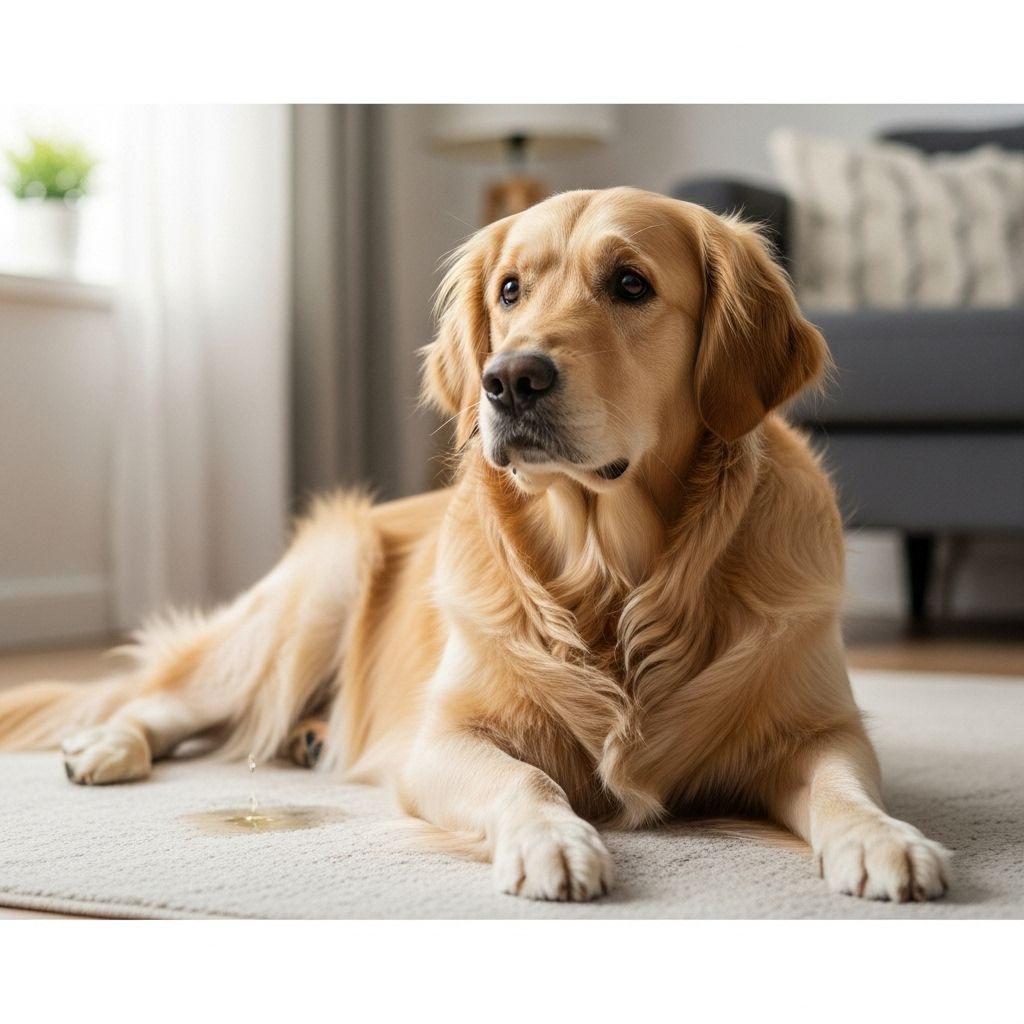
If you have noticed your dog leaving wet spots on their bed or floor, or if your companion seems to be dribbling urine, urinary incontinence may be the culprit. Urinary incontinence—the involuntary leakage of urine—is a relatively common but distressing problem for both pets and their owners. Understanding why this occurs, what signs to watch for, how it is diagnosed, and which treatments are available can make an enormous difference for your dog’s quality of life.
Recognizing Canine Urinary Incontinence
Urinary incontinence in dogs is defined as the involuntary, uncontrollable leakage of urine. It is important to note that this condition differs from behavior-related urination, such as territorial marking or submissive urination, because the dog is not aware that they are urinating and cannot control it. The problem may be mild—like a few drops now and then—or quite severe, resulting in large wet patches wherever your dog sleeps or rests.
Common Symptoms of Incontinence
- Wet patches on bedding, furniture, or the floor where your dog has been lying or sleeping
- Visible dribbling or leaking of urine, often while walking, relaxing, or sleeping
- A constant or intermittent odor of urine around your dog or their resting spots
- Excessive licking of the genital area, which may cause skin irritation and redness
- Dampness or staining on the fur of the hind legs, especially in long-haired breeds
- Irritated or red skin on the lower belly and thighs, resulting from constant moisture
Other Symptoms to Watch For
- Blood in the urine (hematuria)
- Increased frequency of urination (pollakiuria) or increased thirst (polydipsia)
- Limping, back limb weakness, or noticeable changes in movement
- Change in appetite or energy level
- Occasional fecal (poo) incontinence, though this is less common
If your dog is showing any combination of these signs, it is important to seek veterinary advice promptly. Early intervention not only helps your pet feel better but also minimizes the risk of secondary infections and other complications.
What Causes Urinary Incontinence in Dogs?
Canine urinary incontinence can arise from a wide variety of conditions—some minor, some more serious. The underlying cause is crucial for proper treatment and management, and your veterinarian will help you determine the specific reason for your dog’s symptoms.
Common Causes
- Urinary Tract Infections (UTIs): Inflammation and irritation from infection can result in incontinence. UTIs are more common in female dogs but can affect all dogs.
- Urethral Sphincter Mechanism Insufficiency (USMI): The most frequent cause in spayed females and older dogs, USMI occurs when the muscle that keeps urine inside the bladder becomes too weak to remain closed, leading to leaks, particularly when the dog is relaxed or sleeping.
- Hormonal Imbalances: Especially prevalent in middle-aged to older female dogs who have been spayed, a drop in estrogen levels may weaken bladder control.
- Anatomic abnormalities: Issues present from birth, such as ectopic ureters (incorrectly positioned ureters), allow urine to bypass the bladder and leak continuously.
- Spinal injury or degenerative disease: Damage or degeneration of the spinal cord or nerves can affect the bladder’s ability to store or expel urine correctly.
- Prostate disease: Particularly in unneutered males, prostate conditions can interfere with the normal flow of urine.
- Urinary stones: The presence of stones in the bladder or urethra can cause irritation, inflammation, or obstruction, contributing to leaks.
- Excessive water consumption: Diseases such as diabetes, kidney dysfunction, or Cushing’s disease may increase urine production, overwhelming normal bladder control mechanisms.
- Certain medications: Some drugs, such as corticosteroids, can increase the likelihood of urine leakage.
Dogs Most at Risk
- Middle-aged to older female dogs, especially those spayed
- Large breed and overweight dogs
- Dogs with a history of urinary tract problems or congenital abnormalities
- Unneutered male dogs (prone to prostate-related incontinence)
It is a widespread misconception that incontinence is ‘normal’ for aging dogs. While it is more common in older pets, it is always a sign that a medical assessment is required.
How Is Urinary Incontinence Diagnosed?
Diagnosing urinary incontinence relies on a combination of careful observation at home and professional veterinary assessment. Your vet will ask you for a detailed history of your dog’s symptoms, so be ready to answer questions such as:
- When and where are you finding urine leaks?
- Did the issue start suddenly or gradually? Is it getting better or worse?
- Do you notice increased thirst or urination?
- Have there been any changes in appetite, movement, or behavior?
- Are there any other unusual symptoms—vomiting, pain, lethargy?
Veterinary Examination and Testing
Veterinarians use a range of diagnostic tools to determine the cause and extent of your dog’s incontinence:
- Physical examination: Assessment of the abdomen, bladder, genital area, and neurologic function
- Urinalysis and urine culture: Checks for bacteria, crystals, blood, and other signs of infection or inflammation
- Bloodwork: Evaluates kidney and liver function, blood sugar levels, and electrolyte balance
- Imaging tests: Ultrasound and/or X-rays to inspect the bladder, kidneys, and ureters for stones, tumors, or structural abnormalities
- Specialized tests: May include advanced imaging for congenital abnormalities or referral to a specialist if the diagnosis remains unclear
Bringing a fresh urine sample to your appointment can expedite these tests. Your veterinarian may also need to obtain a sterile urine sample via needle (cystocentesis) to ensure accurate culture results.
Canine Incontinence: Preventing Problems and Protecting Your Dog
Urinary incontinence can have negative effects beyond just inconvenience. Ongoing urine exposure puts dogs at risk of:
- Skin infections (urine scald) and irritation
- Urinary tract infections that may ascend to the kidneys (pyelonephritis)
- Reduced quality of life for both dog and owner
- Soreness, odor, and skin damage in long-haired or overweight animals
Prompt veterinary attention and appropriate management prevent these complications and help restore comfort and cleanliness for your companion.
Treatment and Management of Urinary Incontinence in Dogs
Treatment will depend on the cause of the incontinence. Fortunately, many dogs with this problem can be managed very successfully. Approaches may include medications, surgery, dietary adjustments, or lifestyle modifications. Never attempt to treat your dog’s incontinence at home without consulting a veterinarian first.
Medications
- Phenylpropanolamine (PPA): Commonly prescribed to increase urethral tone in cases of USMI
- Estrogen replacement: Especially helpful in spayed females with hormone-responsive incontinence
- Antibiotics: If a urinary tract infection is diagnosed
- Medications to address underlying disease: Such as hormone therapy for Cushing’s disease, or diabetes management
Surgical and Advanced Procedures
- Surgical correction of anatomic abnormalities: Repairing ectopic ureters or other congenital problems
- Bladder or urethral injections: Minimally invasive techniques to bulk up the sphincter and reduce leakage
- Surgical removal of bladder stones or prostate treatment in relevant cases
Supportive Management at Home
- Maintain a clean, dry sleeping area; use absorbent bedding that is washed frequently
- Protect your dog’s skin with barrier creams and regular gentle cleaning of the affected area
- Provide easy access to toileting areas, and take them out more frequently, especially after waking or drinking
- Monitor for signs of infection—odor, redness, pain, excessive licking
- Use dog diapers or waterproof covers if needed, particularly overnight or during recovery
Helping Your Dog Live Comfortably With Incontinence
Managing urinary incontinence in dogs is often a long-term process, and patience is key. With appropriate veterinary guidance and consistent home care, most dogs can achieve a happy, comfortable, and relatively mess-free life. Never punish a dog for leaking urine—it is a medical problem, not a behavioral one, and your pet is unaware that it is happening.
Summary Table: Key Facts at a Glance
| Aspect | Details |
|---|---|
| Primary symptom | Dribbling or leaking urine, especially during sleep |
| Most at-risk | Spayed females, older/larger breeds |
| Common causes | USMI, UTI, hormone changes, anatomical abnormalities |
| Treatment | Medications, surgery, management of underlying disease |
| Complications | Skin infections, odor, discomfort |
Frequently Asked Questions (FAQs)
Q: Is urinary incontinence in dogs a behavioral issue?
A: No, incontinence is a medical condition that results in involuntary leakage. Affected dogs are unaware of the leaking, and should never be punished.
Q: Is incontinence just a normal part of aging in dogs?
A: No. While older dogs are more commonly affected, incontinence is always abnormal and requires veterinary attention to identify and treat the underlying cause.
Q: Can a urinary tract infection cause my dog to leak urine?
A: Yes. UTIs can cause irritation that leads to involuntary leakage, especially in female dogs. Proper diagnosis and antibiotics can resolve infection-driven incontinence.
Q: Will my dog need surgery?
A: Most dogs are managed successfully with medication, but dogs with anatomical problems (like ectopic ureters) or stones may need surgical correction. Your veterinarian will recommend appropriate options.
Q: What can I do to keep my incontinent dog comfortable at home?
A: Keep bedding dry and clean, use dog diapers or waterproof covers as needed, take your dog outside frequently, and protect their skin with regular gentle cleaning and barrier creams.
When to Call the Veterinarian
If your dog is showing evidence of urine leakage, increased thirst, difficulty urinating, or other concerning symptoms, prompt veterinary evaluation is essential. Quick intervention can prevent more serious health problems and help restore your dog’s health and quality of life.
Conclusion
Urinary incontinence is a manageable condition once the underlying cause is identified. With early intervention, an appropriate treatment plan, and committed home care, most dogs continue to live happily and comfortably, free from the inconvenience and discomfort of persistent urine leaking. If you have observed any signs of incontinence in your dog, consult your veterinarian for a professional diagnosis and support.
Similar Articles




Read full bio of medha deb